 bluename
 How to Care for Pinguicula: Seasonal Care Checklist
I remember the excitement of getting my first Pinguicula, or butterwort. Its dewy, sticky leaves promised a fascinating journey into the world of carnivorous plants. But that excitement quickly turned to anxiety. Why were its leaves turning brown? Was it getting enough light, or too much? I realized that generic care advice wasn't enough. The real secret, the key I was missing, was understanding that how to care for Pinguicula isn't a single set of rules. It's a dynamic, seasonal rhythm. If you've ever felt overwhelmed trying to keep your butterwort thriving year-round, you're not alone. This seasonal care checklist is born from my own trials, errors, and two-week experiments, designed to guide you through every phase of your plant's life.
Understanding Your Butterwort's Natural Cycle
Before we dive into the seasonal checklist, it's crucial to grasp why seasons matter. Pinguicula species often experience distinct growth phases, primarily a succulent-like "dormant" phase and a carnivorous "active" growth phase. As experts from the International Carnivorous Plant Society (ICPS) emphasize, mimicking these natural cycles is the cornerstone of long-term health. Ignoring this rhythm was my first major mistake—I treated my tropical Pinguicula 'Sethos' the same in December as I did in July, and it responded with stunted growth. This guide will help you sync your care with your plant's internal clock.
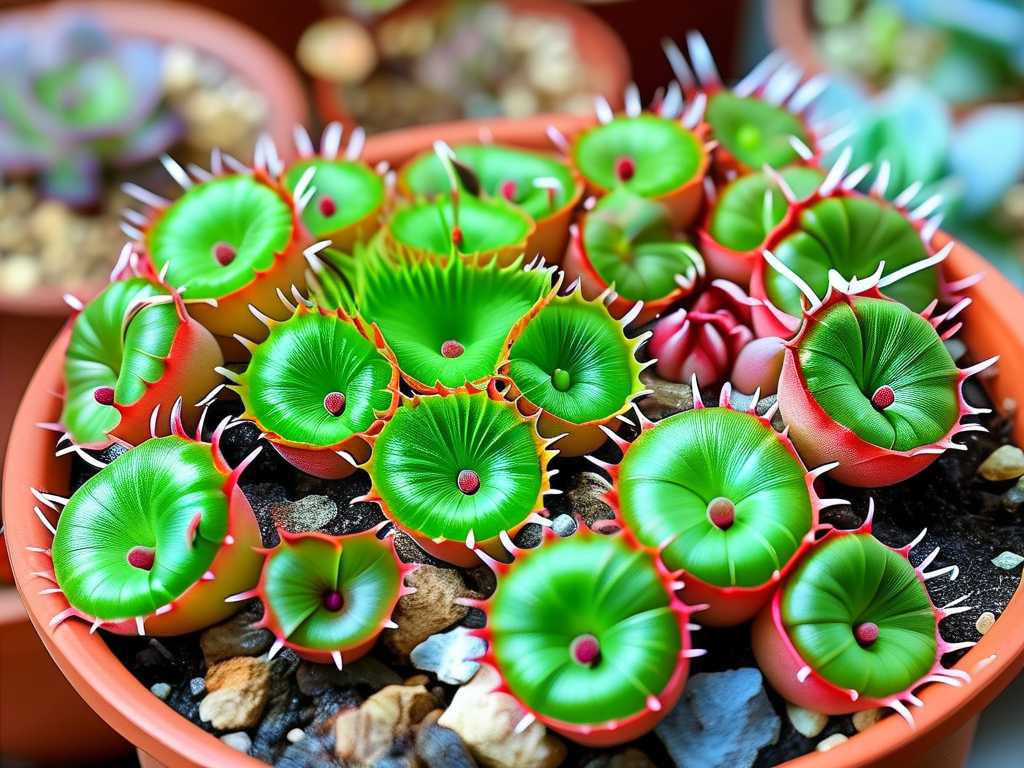
The Essential Spring Awakening (March - May)
Spring is a time of transition and vigorous growth. Your Pinguicula is waking up, hungry and ready to photosynthesize and catch prey.
Increasing Light and Photoperiod As days lengthen, gradually increase light exposure. I moved my plants from a winter windowsill to a spot with about 4 hours of direct morning sun, followed by bright indirect light. A sudden move to intense light can scorch the tender new leaves. Over a two-week observation period, I noted the new leaves became broader, greener, and stickier with dew, a sure sign of happiness.
Initiating the "Tray Method" for Watering This is non-negotiable. Always use distilled, rainwater, or reverse osmosis water. In spring, I restart the tray method: placing the pot in a shallow saucer and keeping about 0.5 inches of water in it. I let the tray dry out for a day before refilling. This mimics the damp conditions they love. The pitfall here is using tap water; even once caused a mineral buildup that made my Pinguicula gypsicola's leaves curl and lose dew. Flushing the pot with copious amounts of distilled water was the fix.
Commencing Feeding (The Natural Way) Your plant is now a predator. I avoid manual feeding and let them work. Placing the pot outdoors in a sheltered, sunny spot (if temperatures are consistently above 50°F/10°C) allows them to catch gnats and springtails naturally. If indoors, a windowsill works. Under no circumstances use fertilizer on the soil. The American Horticultural Society (AHS) notes that carnivorous plants have evolved to get nutrients from prey; their roots are for water and anchorage only.
The Summer Growth & Maintenance Phase (June - August)
This is the peak growing season. Your Pinguicula seasonal care focuses on supporting explosive growth and managing heat.
Managing High Light and Heat Many butterworts enjoy bright light, but intense afternoon summer sun can cook them. I use a sheer curtain as a filter. For my Mexican species like Pinguicula moranensis, I provide bright light all day. I tracked leaf color over two weeks: a slight reddish tinge often indicates good light levels, but a bleached or crispy look means it's time to diffuse the light.
Watering Vigilance and Humidity Evaporation is fast. Check the water tray daily during heatwaves. I maintain the water level consistently but ensure the plant's crown isn't sitting in soggy media. Humidity is also key. I group plants together or use a humidity tray (a larger tray filled with pebbles and water). A common problem I faced was fungus gnats thriving in the constantly wet trays. Adding a thin layer of coarse sand on top of the soil media solved this by creating a dry barrier.
Observing and Enjoying the Bloom Summer is often bloom time! Flower stalks can be tall and delicate. I provide a small stake if needed. After flowering, you can deadhead the stalk to encourage energy back into leaf growth. This is also the perfect time for propagation via leaf pullings—a rewarding project for this season.
The Critical Autumn Transition (September - November)
This is the most overlooked but vital period. Your care now sets the stage for a healthy dormancy.
Gradually Reducing Water As growth slows, I start to let the water tray dry out for longer periods—sometimes 2-3 days between refills. The goal is to slightly reduce moisture in the growing medium, signaling to the plant that a change is coming. Drastic drying is harmful; think of it as a gentle taper.
Preparing for Dormancy: Identifying the Type Here, you must know your species. My tropical Pinguiculas (like 'Sethos') often just slow down and form a tight, non-carnivorous "succulent" rosette. They stay in the same light but with much less water. My temperate Pinguiculas (like Pinguicula vulgaris) need a true cold dormancy. For these, I reduce watering over a month and then move them to an unheated garage where temperatures stay between 35-50°F (2-10°C). The Royal Horticultural Society (RHS) advises that a cold period is essential for the long-term survival of temperate species.
The Winter Rest Period (December - February)
Winter care is about restraint. Your plant is resting, not dead.
Light for Dormant Plants Tropical types in their succulent phase still need bright light; I keep them on a south-facing windowsill. Temperate types in cold storage are in near-darkness, which is fine. The biggest mistake is seeing a dormant, tight rosette and thinking it needs more water or heat to "wake up." This can rot the plant or break its dormancy cycle prematurely.
The Minimal Watering Protocol This was my hardest lesson. For tropical dormant rosettes, I water only when the soil is completely dry for several days, and then just a light sprinkle to moisten the top layer. For temperate plants in cold storage, I check the soil media once a month; if it's bone-dry and dusty, I give it a minimal sip of water. The plant is barely using any.
Monitoring for Health Check periodically for mold (increase air circulation) or pests like aphids (a quick swipe with a distilled-water-dipped cotton swab removes them). Otherwise, leave it be. This period of rest is what fuels the next season's growth.
My Two-Week Dormancy Experiment: A Lesson in Patience
Last winter, I was convinced my dormant Pinguicula gypsicola was dying. It looked like a tiny, hard artichoke. I decided to "rescue" it by moving it to a warmer spot and watering it normally. For two weeks, I observed: nothing happened. No growth, no plumping up. Frustrated, I consulted a specialist and was told to return it to cool, bright, and dry conditions immediately. I did. After another two weeks in the correct environment, I finally saw the first tiny, carnivorous leaf of spring peeking from the center. The fix was counterintuitive: doing less. The plant knew what it needed; I just had to trust the cycle.
What's the biggest mistake beginners make with Pinguicula care? Overwatering with mineral-rich water is the most common killer. Sticking to pure water and the tray method, while allowing slight drying based on the season, prevents most root and leaf issues.
Can I grow Pinguicula indoors year-round? Absolutely. Many tropical and hybrid butterworts thrive indoors on sunny windowsills or under LED grow lights. The key is adjusting your seasonal care for butterworts even indoors by moderating water and light duration with the changing seasons outside.
My Pinguicula isn't producing dew on its leaves. What's wrong? Low humidity, incorrect lighting (usually too low), or mineral contamination from water or soil are the usual suspects. Ensure you're using the right water, provide ample bright light, and try boosting local humidity. Also, remember that some species naturally reduce dew during their dormant succulent phase.
Caring for Pinguicula is a deeply rewarding practice that connects you to the subtle rhythms of nature. By moving away from a static routine and embracing this seasonal checklist—increasing light and water in spring, managing summer growth, easing into autumn, and respecting the winter rest—you work with your plant's biology, not against it. The true joy comes from observation. Watch the leaves, understand the signals, and adjust your care accordingly. With this seasonal map in hand, you’re equipped not just to keep your butterwort alive, but to witness it thrive through every cycle of the year.





