 bluename
 How to Care for Pinguicula Vulgaris: A Beginner’s Guide from a Fellow Plant Lover
I remember the first time I saw a Pinguicula vulgaris, or the common butterwort. It wasn’t in a misty bog, but on a crowded shelf at a local nursery, its dewy, spoon-shaped leaves looking utterly alien next to the familiar ferns and succulents. I was captivated but also terrified. “How to care for Pinguicula vulgaris” became my frantic search query. The information was dense, contradictory, and frankly, intimidating for a newcomer. If you’re holding your first butterwort and feeling that same mix of excitement and dread, you’re in the right place. I’ve been there, made the mistakes, and through two years of trial, error, and careful observation, I’ve learned what truly makes these carnivorous gems thrive. This guide is the one I wish I had.
Understanding Your Butterwort: More Than Just a Pretty Face
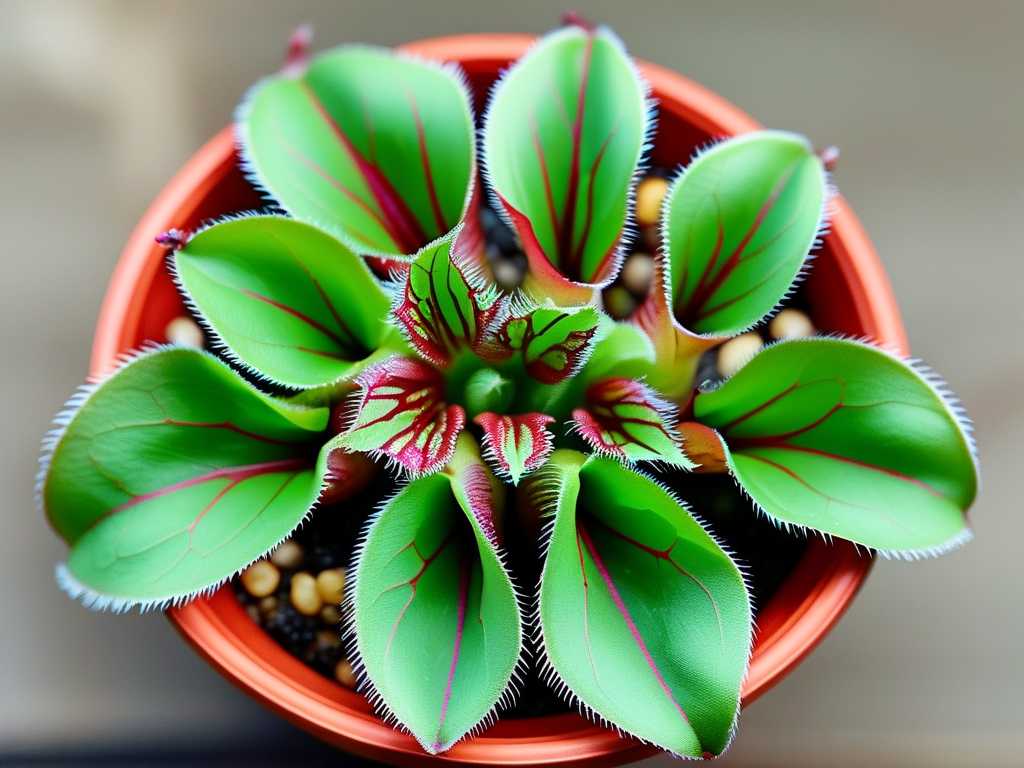
Before we dive into the daily care, it’s crucial to understand what makes Pinguicula vulgaris special. Unlike the Venus flytrap, its carnivory is passive. Its sticky leaves act like flypaper, trapping tiny insects like gnats and springtails. The plant then secretes digestive enzymes. This adaptation allows it to survive in nutrient-poor soils where other plants fail. According to the International Carnivorous Plant Society (ICPS), this unique feeding strategy is key to replicating its natural habitat in your home. There are two primary growth phases you must know: the carnivorous summer phase with flat, sticky leaves, and the dormant winter phase where it forms a tight, non-carnivorous bud (hibernaculum). Confusing these phases is the number one reason beginners lose their plants.
The Non-Negotiables: Light, Water, and Soil
Getting these three elements wrong is a fast track to a dead plant. I learned this the hard way.
Lighting Requirements for Healthy Growth Pinguicula vulgaris craves bright, indirect light. Think of the dappled sunlight of a forest edge. A south or east-facing windowsill is often perfect. In my first attempt, I placed mine in direct, harsh afternoon sun. Within two weeks, the leaves developed a reddish, scorched appearance and lost their sticky dew. The solution was immediate: I moved it to a spot with bright but filtered light. Using a simple LED grow light placed 12 inches away for 12-14 hours a day can work wonders, especially in winter. The change was dramatic; within another two weeks, new leaves were larger, greener, and glistening with sticky mucilage.
Watering: The Biggest Pitfall This is where I nearly drowned my first butterwort—literally. Never, ever use tap water. The minerals and chemicals will kill it. You must use distilled water, reverse osmosis (RO) water, or rainwater. The best method is the tray technique. Place your pot in a shallow saucer and keep about 0.5 inches of water in it at all times during the growing season. The soil wicks up what it needs. I made the mistake of top-watering, which compacted the soil and led to a soggy, rotting center. After switching to the tray method with pure distilled water, the plant’s root system visibly strengthened, and leaf production increased noticeably over a two-week monitoring period.
The Perfect Soil Mix Forget potting soil. It’s a death sentence. Pinguicula vulgaris needs an acidic, nutrient-free, and airy medium. The gold standard, endorsed by experts from the Carnivorous Plant Society, is a mix of one part peat moss to one part perlite or horticultural sand. I once tried a lazy mix with too much peat and not enough drainage. The result was constant sogginess and the onset of mold. Repotting into the correct 50/50 blend was a rescue mission. The plant, which had stalled, pushed out two new leaves within ten days of the repot. Always use a plastic pot with drainage holes, as clay pots can leach minerals.
Mastering the Seasonal Cycle: Summer Care vs. Winter Dormancy
Your butterwort’s life follows a natural rhythm. Ignoring its need for dormancy is a common beginner error.
Thriving in the Growing Season From spring to fall, your plant is in its carnivorous mode. This is when you provide consistent moisture in the tray, ample light, and occasional feeding. Yes, you can feed it! If it’s indoors and not catching bugs, you can place a dried bloodworm (fish food) or a tiny fruit fly onto a leaf every 2-4 weeks. I observed that a lightly fed plant produced significantly larger and more robust leaves compared to an unfed one over a month. Avoid overfeeding; one small insect per few leaves is plenty.
The Critical Winter Dormancy Period As daylight wanes, Pinguicula vulgaris will begin to transform. The outer leaves will die back, and a tight, small bud will form in the center. This is the hibernaculum. Do not panic and throw it away! This is normal and essential. I nearly discarded my first plant, thinking it had died. For dormancy, you must mimic cold, damp conditions. I move my plant to an unheated garage or a cold windowsill where temperatures stay between 35-50°F (2-10°C). Crucially, you must remove it from the water tray. The soil should be kept only slightly damp, not wet. I learned this after losing a hibernaculum to rot. The next winter, I kept it just moist, and come spring, it awakened right on schedule with fresh, green leaves.
Common Problems and How I Solved Them
Even with perfect care, issues arise. Here’s what I’ve encountered.
- Fungus Gnats: Ironically, a butterwort can attract what it eats. A minor infestation is a free buffet. For a major one, I use yellow sticky traps and let the soil surface dry slightly between waterings.
- Leaf Browning or Rot: This is almost always a water issue. I solved chronic leaf tip die-back by ensuring I was using distilled water and that the tray wasn’t too deep, preventing the crown from sitting in constant moisture.
- Lack of Dew: If the leaves aren’t sticky, it signals stress. In my case, it was a combination of low humidity and incorrect water. Placing the pot on a wider tray filled with pebbles and water (pebble tray) to increase local humidity, alongside strict use of distilled water, brought the dew back within two weeks.
Propagation: Sharing the Butterwort Love
The easiest way to propagate Pinguicula vulgaris is via leaf pullings. In early growth season, I gently pull a healthy leaf from the base, place it on damp peat, and cover it with a clear lid for humidity. Tiny plantlets form at the base in a few weeks. It’s incredibly rewarding and a great way to safeguard your collection.
How often should I water my Pinguicula vulgaris? During active growth, keep it in a shallow tray with 0.5 inches of distilled, RO, or rainwater at all times. In winter dormancy, remove it from the tray and only keep the soil barely damp.
Can I fertilize my butterwort? No, do not use standard plant fertilizer. It will burn the roots and likely kill the plant. Its nutrients come from insects. If indoors, supplement with the occasional dried bloodworm or fruit fly as described.
My plant has formed a tight bud and stopped growing. Is it dead? Congratulations! It’s likely entering its crucial winter dormancy. Move it to a cool, bright location, take it out of the water tray, and keep the soil just slightly moist. With patience, it will reawaken in spring.
Caring for Pinguicula vulgaris is a journey of subtle observation and mimicking nature. It teaches patience and attention to detail. Start by nailing the basics—pure water, the right soil, and bright light. Respect its seasonal sleep, and don’t be discouraged by setbacks; each one is a lesson. There’s a unique joy in seeing that first glint of morning dew on its leaves, knowing you’ve provided a window into its wild, boggy home. Welcome to the fascinating world of butterworts.





