 bluename
 How to Care for Pinguicula Without Special Tools
I used to think growing Butterworts, those beautiful carnivorous plants with sticky leaves, required a grow tent, special lights, and a cabinet full of gadgets. Every article I read made it sound like a high-maintenance science project. I was ready to give up before I even started. But what if I told you that you can successfully care for Pinguicula, even as a beginner, using items you likely already have at home? This guide is the result of my own two-week experiment in growing these fascinating plants with zero specialized equipment. I’ll walk you through exactly what I did, the mistakes I made, and how my plants not only survived but thrived.
Understanding Your Pinguicula's Basic Needs
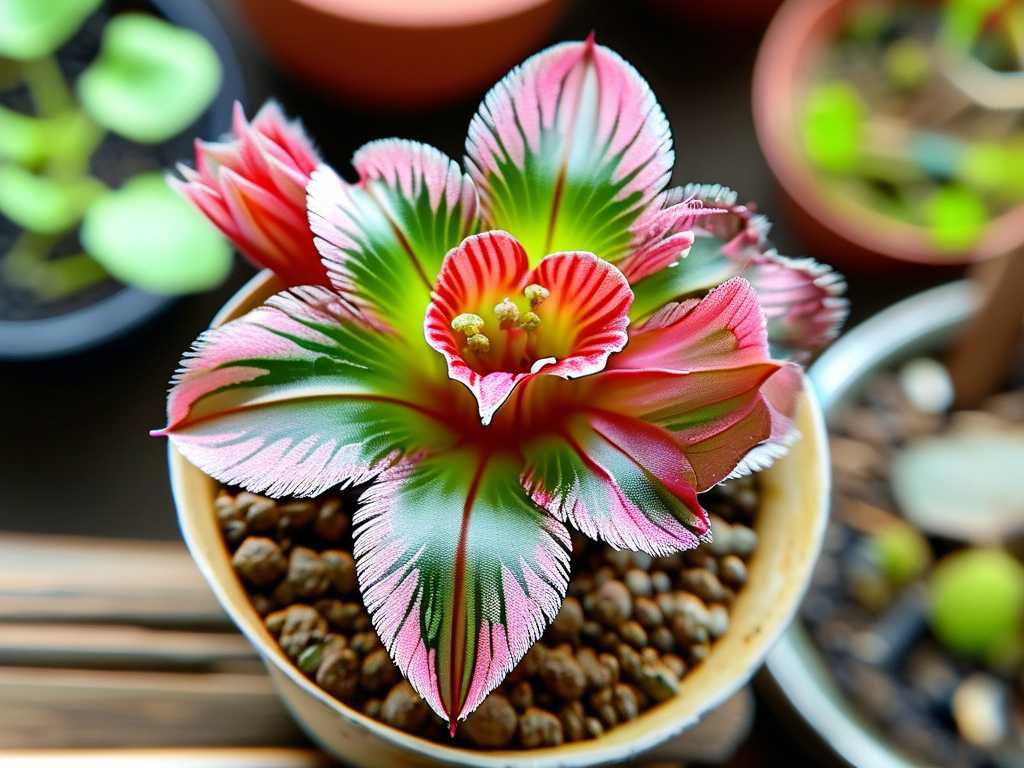
Before we dive into the "how," let's understand the "why." Pinguicula, or Butterworts, are unique. Their succulent-like leaves are coated in a sticky mucilage that traps tiny insects. This adaptation allows them to thrive in nutrient-poor environments where other plants struggle. According to the International Carnivorous Plant Society, the primary keys to their health are the right light, water, and soil. Forget fertilizer; their food comes from gnats and springtails. My goal was to replicate these conditions simply.
My No-Tools Setup: What You Actually Need
Here’s the honest list of everything I gathered from around my house:
- The Plant: A common Pinguicula ‘Tina’ from a local nursery.
- The Pot: A short, 4-inch plastic pot with drainage holes (an old orchid pot works perfectly).
- The Soil: A mix I made from sphagnum peat moss and perlite, bought from a generic garden center. No pre-mixed carnivorous plant soil needed.
- Water: Distilled water, which I get for my iron. Rainwater or reverse osmosis water are also perfect.
- Light: A bright east-facing windowsill that gets about 4 hours of gentle morning sun.
- The Tray: A shallow plastic saucer or a reused food container lid.
That’s it. No humidifiers, no heat mats, no fancy pH meters.
The Step-by-Step Simple Care Routine
Providing the Right Light on a Windowsill The biggest myth is that these plants need intense, direct blasts of sun all day. My east-facing window proved otherwise. The gentle morning sun provided ample brightness without the scorching heat of a southern exposure. I observed the leaves closely. A slight pinkish blush on the edges began to develop after a few days—a sign of good light, not stress. If your window is very bright, a sheer curtain can perfectly diffuse the light. The Royal Horticultural Society notes that many carnivorous plants adapt well to bright indirect light, which aligns perfectly with my simple window sill approach.
Mastering Watering with the Tray Method This is the most critical and simplest part. I never water from the top. Instead, I place my pot in the shallow tray and keep about half an inch of distilled water in it at all times. The soil wicks up the moisture it needs. I simply top up the tray when it goes dry. This method perfectly maintains the constant, slight dampness these roots crave without waterlogging them. During my two-week trial, I only had to refill the tray three times. It’s remarkably hands-off.
Mixing the Perfect Soil from Common Ingredients I avoided all pre-mixed bags labeled for carnivores. My mix was a simple 1:1 ratio of sphagnum peat moss to perlite. I moistened the peat moss with distilled water before mixing to make it workable and to avoid dust. The perlite ensures the mix stays airy and doesn’t compact, which is vital for preventing root rot. This humble, two-ingredient mix provided the acidic, nutrient-free, and well-draining environment that Butterwort roots require.
Feeding and Dormancy: Letting Nature Handle It I did not feed my plant. Not once. In a home environment, especially if you have other houseplants, tiny fungus gnats are often present. My Pinguicula caught several on its own over the two weeks. Its leaves would have small, dark spots—the remains of its meals. As the American Horticultural Society advises, supplemental feeding is rarely necessary and can often do more harm than good if overdone. Regarding dormancy, for my tropical Pinguicula ‘Tina’, no special winter treatment is needed. It simply grows a bit slower in lower light.
My 2-Week Observation Diary: Successes and Stumbles
Week 1: The Adjustment Period Days 1-3: The plant looked unchanged, just settling in. I worried the light wasn't enough. Day 4: I made my first mistake. I thought the soil surface looked dry and poured a little water on top. This left moisture on the leaf rosette. Day 5: Panic! The center of the plant where water pooled looked dark and soft. I immediately dabbed the crown gently with a paper towel tip and switched strictly to the tray watering method, ensuring no water touched the leaves again. Day 7: The dark spot stabilized. No further spreading. New, very small leaves were visible in the center.
Week 2: Signs of Growth and Recovery Day 10: The new central leaves were noticeably larger. The plant had produced a fresh, dewy mucilage on its newer growth. Day 14: The plant had visibly plumped up. It produced its first new flower stalk! The older, damaged leaf from my watering mishap dried up and was gently removed. The plant had clearly acclimated and was growing actively.
Troubleshooting Common Issues with Household Solutions
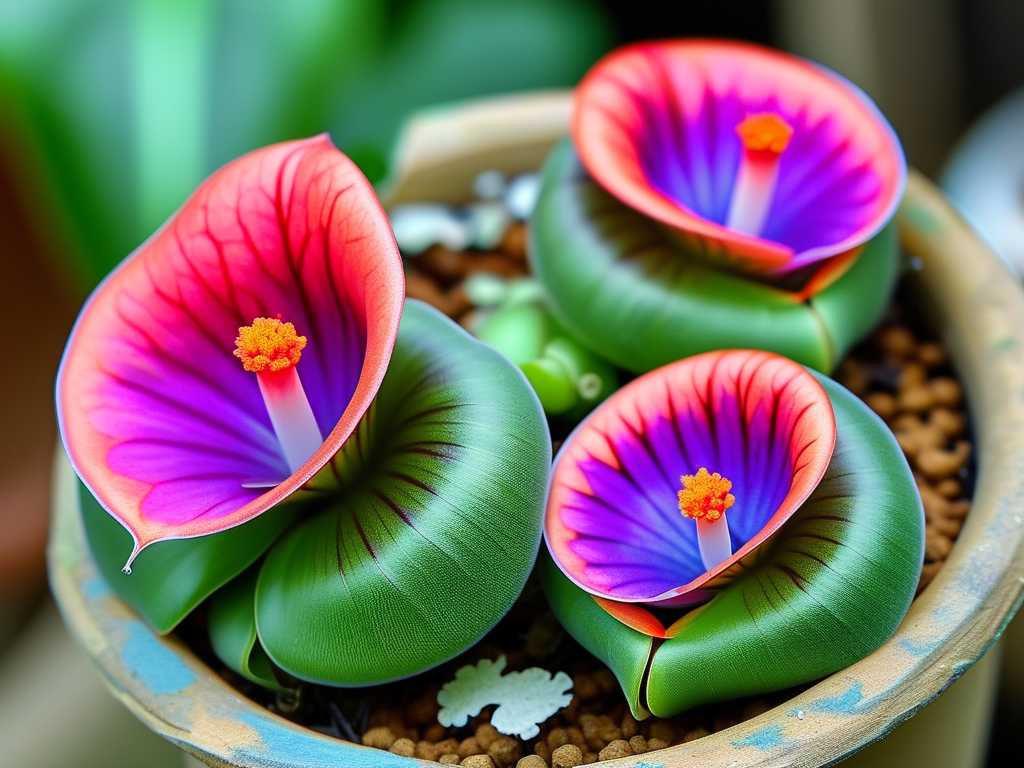
- Leaves Turning Brown/Yellow: I saw a bit of this on one older leaf. This is natural senescence. If new growth is affected, it’s usually from mineral-rich water (switch to distilled) or sunburn (move back from direct afternoon sun).
- Lack of Dew: My plant lost dew initially due to the stress of moving. Consistent correct water (tray method) and good light brought it back. Low humidity wasn’t an issue.
- Pests: Aphids can sometimes appear. I prepared a simple spray of diluted dish soap (a drop in a cup of distilled water) but didn’t need it. The plant’s sticky leaves are a good deterrent.
Frequently Asked Questions
Can I use tap water for my Butterwort? I strongly advise against it. The minerals and chemicals in tap water can quickly build up in the soil and burn the sensitive roots, leading to decline. Distilled, rainwater, or reverse osmosis water is non-negotiable for long-term health.
Do I need to feed my Pinguicula insects? In most indoor settings, no. Your plant will catch small gnats and other micro-fauna on its own. Forcing large insects onto its leaves can damage them. If your plant is in a sealed terrarium without bugs, you might occasionally offer a dried bloodworm (fish food), but this was not necessary in my experience.
Why is my Pinguicula not flowering? Flowering is a sign of maturity and good health, driven primarily by sufficient light. My plant initiated a flower stalk after two weeks of stable, bright indirect light on the windowsill. Be patient, ensure consistent care, and it will reward you when it’s ready.
Growing Pinguicula is far less daunting than it seems. By focusing on the fundamentals—pure water, bright light, and the right soil mix—you can cultivate a healthy, insect-catching plant using what you already have at home. My two-week journey showed me that resilience is built into these plants. They don’t need coddling with gadgets; they need understanding. Start simple, observe closely, and let the plant guide you. You might just find, as I did, that the simplest approach is the most successful.





