 bluename
 How to Care for Pinguicula After Flower Fading: A Grower’s Guide to Post-Bloom Success
You’ve just watched your Pinguicula, or butterwort, put on a spectacular floral show. The delicate bloom was a reward for your care. Now, the petals have wilted and fallen, leaving you with a quiet plant and a big question: “What do I do next?” If you’re worried about accidentally harming your plant during this critical phase or missing the chance to set it up for vigorous future growth, you’re not alone. The period after flowering is a pivotal time that directly impacts your butterwort’s health, its ability to catch prey, and its potential to bloom again. I’ve been there, watching a prized Pinguicula moranensis look a bit sad post-bloom, unsure if I should cut, feed, or just leave it alone. Through trial, error, and careful observation over many seasons, I’ve developed a reliable post-flower care routine. Let me walk you through the exact steps I take, the mistakes I’ve made so you can avoid them, and how a simple 2-week protocol can transform your plant’s recovery.
Understanding Your Butterwort’s Post-Bloom State
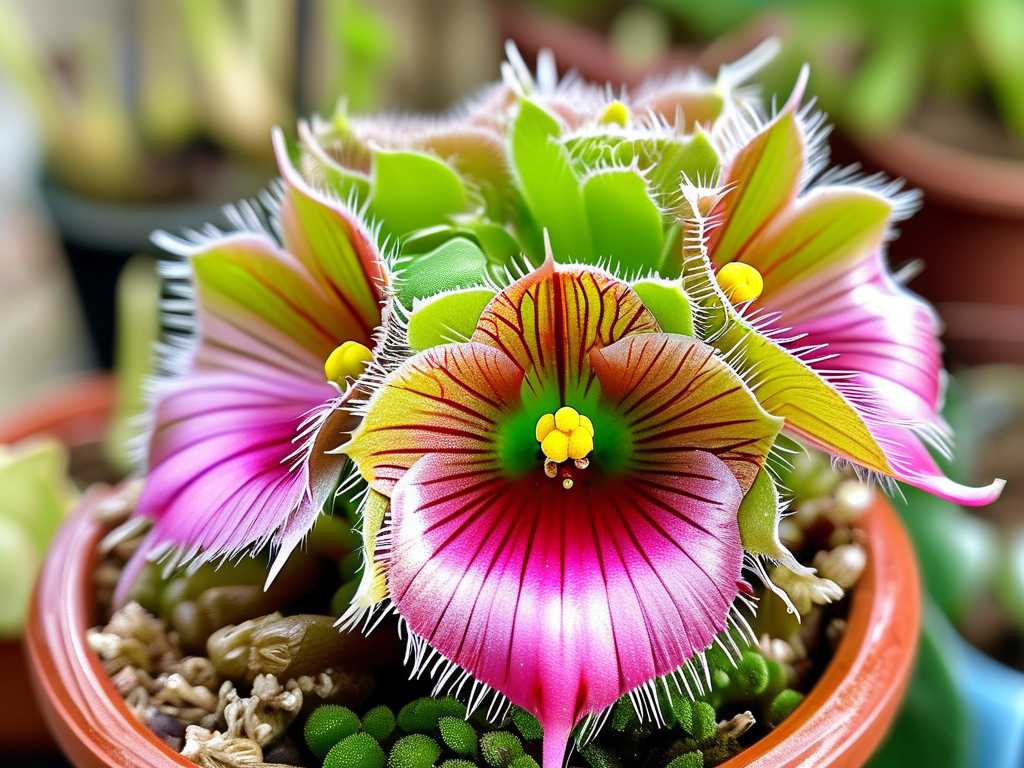
First, it’s crucial to see fading flowers not as an end, but as a signal. The plant has expended significant energy to produce that bloom. Now, its focus shifts. For many Pinguicula species, particularly the popular tropical varieties like P. moranensis or P. gigantea, the post-bloom period often coincides with or triggers a seasonal change. Some may begin transitioning from their carnivorous, summer “succulent” form to a tighter, non-carnivorous winter “resting bud” (hibernaculum), while others simply enter a phase of leaf regeneration.
Ignoring this shift is the most common pitfall. I once assumed a flowering Pinguicula esseriana would just continue growing the same way, only to see its old leaves stagnate and new growth become cramped. I learned that post-bloom care for Pinguicula is essentially proactive seasonal care. According to resources from the International Carnivorous Plant Society (ICPS), removing spent flower stalks promptly helps prevent fungal issues and redirects the plant’s energy, a principle that aligns perfectly with my hands-on experience.
My Step-by-Step Post-Flowering Care Protocol
This is the exact sequence I follow as soon as the last flower on a stalk withers. I recently applied this to a Pinguicula ‘Sethos’ after its spring bloom, and the results over the following two weeks were definitive.
Step 1: The Precision Snip – Removing the Spent Flower Stalk
Don’t let the old flower stalk turn into a moldy eyesore. Using a pair of sterilized, fine-tipped scissors or tweezers, I trace the flower stalk down to its base, near the crown of the plant. I make a clean cut, trying not to disturb any neighboring leaves. Crucial Tip: Avoid pulling or yanking! I learned this the hard way years ago when I tugged a seemingly loose stalk from a Pinguicula agnata and partially uprooted the entire plant, setting it back for months. Clean cutting is safe cutting.
Step 2: The Great Assessment – Evaluating Plant Form and Health
With the stalk gone, I take a full minute to inspect my butterwort. Is it in its carnivorous summer phase with sticky, flat leaves? Or are the leaves starting to become smaller and fleshier, hinting at a winter form? This assessment dictates everything that follows. For my ‘Sethos’, it was firmly in its summer growth phase. I also check for pests (like aphids, which love flower stalks) and the general condition of the leaves. This is the perfect time to note if your Pinguicula maintenance after blooming needs to include pest control.
Step 3: Strategic Hydration – Adjusting Watering Practices
Watering needs can subtly change. The plant is no longer supporting a bloom, but it may be pushing new leaf growth. I always use the tray method with distilled, reverse osmosis, or rainwater. My rule of thumb: keep the soil consistently moist for tropical species in growth mode. However, I slightly reduce the water level in the tray during the two weeks post-bloom, allowing the top of the medium to feel just slightly less soggy before refilling. This minor reduction discourages rot at the crown while the plant’s energy flow is redirecting. For species entering dormancy, I begin a more significant reduction in water over the subsequent weeks.
Step 4: Fueling the Recovery – The Feeding Debate
This is where many growers, including my past self, get confused. A flowering plant has used nutrients. The instinct is to “feed” it. But butterworts feed themselves through their leaves! The best “food” you can provide is access to its own prey. I place my post-bloom plant in a location where it can catch small gnats or fruit flies. If you grow indoors without pests, you can carefully place dried bloodworms or fish food flakes on a leaf or two (rehydrated with a drop of water). Important: Do not overdo this. I once overfed a recovering Pinguicula, causing several leaves to die back from overstimulation. One small feeding per month for 2-3 leaves is ample. The goal is to support leaf regrowth, not force it.
Step 5: The Light Prescription – Ensuring Optimal Photosynthesis
Light is the primary energy source. To fuel the production of new, robust leaves, I ensure my butterwort receives plenty of bright, indirect light. For my ‘Sethos’, this meant keeping it under my grow lights for 12-14 hours daily. If anything, I ensure light is consistent and adequate; this is not the time to move the plant to a dimmer location. Strong light promotes compact, colorful, and efficient leaf growth, which is the foundation of the next growth cycle.
My 2-Week Observation: A Diary of Recovery
Here’s what I documented with my Pinguicula ‘Sethos’ after implementing the steps above:
- Days 1-3: The cut flower stalk base dried cleanly. No signs of rot. The central crown looked unchanged.
- Days 4-7: I noticed the very center of the rosette, previously occupied by the stalk base, began to look different—slightly greener and more textured. This was the first sign of new growth activity.
- Days 8-14: Two tiny, fresh, and very sticky new leaves emerged from the center, unfurling rapidly. The existing outer leaves remained healthy and functional. The plant’s overall posture seemed perkier. By day 14, it was clear the plant had fully exited the “blooming” mode and was firmly re-established in “vegetative growth” mode. The care for butterwort after flowering had successfully reset its cycle.
Common Pitfalls and How I Solved Them
- Pitfall 1: “Deadheading” Too Aggressively. As mentioned, tearing the stalk out can damage the crown. Solution: Always cut, never pull.
- Pitfall 2: Overwatering Out of Sympathy. Feeling like the plant needs extra care, I used to keep the tray overflowing. This led to root issues. Solution: Stick to your proven watering method, perhaps with a slight reduction in saturation for the first week.
- Pitfall 3: Neglecting the Seasonal Cue. Treating all post-bloom plants the same. A Pinguicula cyclosecta blooming in late summer needs different care (likely heading toward dormancy) than a Pinguicula ‘Weser’ blooming in spring. Solution: Always cross-reference your plant’s species-specific seasonal habits. Resources from societies like the Carnivorous Plant Society (CPS) of Great Britain are invaluable here.
- Pitfall 4: Fertilizer Misuse. Applying soil fertilizer is a near-certain death sentence for most carnivorous plants. Solution: Rely solely on light-based feeding through the leaves or natural prey capture. Avoid any soil-borne nutrients.
Maximizing Long-Term Health and Future Blooms
Consistent post-bloom Pinguicula care is the secret to a perennial, thriving plant. After the initial 2-week recovery, your care simply returns to the standard regimen for its growth phase. A healthy, leafy rosette built over the summer is what generates the energy for next season’s flowers. Think of the post-bloom period as essential maintenance that keeps the engine running smoothly. By providing stable conditions—pure water, strong light, and appropriate humidity—you are building a resilient plant capable of producing even more spectacular blooms in the future.
Frequently Asked Questions
Should I repot my Pinguicula right after the flowers fade? Generally, no. Repotting adds stress. The post-bloom period is for recovery, not root disturbance. The best time to repot most Pinguicula is at the very beginning of their major growth period, just as they are exiting dormancy and are full of energy for new root growth.
My Pinguicula’s leaves seem smaller after flowering. Is this normal? Yes, this can be very normal. If the plant is transitioning to its winter succulent (non-carnivorous) form, smaller, fleshier leaves are expected. If it’s supposed to be in its summer phase, smaller new leaves might indicate insufficient light. Assess the season and your light setup. In my case with ‘Sethos’, the new leaves started small but quickly grew to full size under strong lights.
How long after flowering will my plant bloom again? This depends entirely on the species and its maturity. Most common tropical Pinguicula bloom once, sometimes twice, during their primary growing season (spring/summer). They require a period of strong vegetative growth to store energy for the next bloom cycle. Don’t expect immediate re-bloom; focus on nurturing a healthy rosette, and flowers will follow in due season.
Watching your butterwort’s bloom fade is not a goodbye, but an invitation to participate in the next chapter of its life. By responding with informed, gentle care—removing the spent stalk, adjusting water and light, and resisting the urge to over-complicate things—you guide your plant seamlessly from a state of reproductive completion back to one of vigorous growth. This attentive transition is what separates a surviving plant from a truly thriving one. The simple actions you take in those weeks after the petals fall are the most powerful investment you can make in your Pinguicula’s future beauty and resilience.





