 bluename
 How to Care for Pinguicula in Dry Winters: A Grower's Survival Guide
If you're like me, a passionate carnivorous plant enthusiast, the arrival of dry winter air sends a shiver of dread down your spine—and it's not from the cold. I’ve lost more than one beautiful Butterwort to the silent, invisible killer that is low humidity during the heating season. We lovingly provide them with the right soil, water, and light, only to watch them slowly wither as the indoor air becomes a desert. The central challenge of how to care for Pinguicula in dry winters isn't about temperature; it's about mastering atmospheric moisture. After a particularly heartbreaking season, I dedicated myself to finding a reliable, hands-on method. What follows is my personal, step-by-step journey, complete with a two-week observation log, the mistakes I made, and the solutions that finally brought my plants through winter not just alive, but thriving.
Understanding the Winter Threat: Why Humidity is Everything
Pinguicula, or Butterworts, are deceptive. Their succulent, non-carnivorous winter leaves (in temperate species) or overall growth form (in tropical varieties) might suggest drought tolerance. This is a trap. In their natural habitats, even during drier periods, they benefit from microclimates, dew, or higher ambient moisture than our centrally heated homes provide. According to the International Carnivorous Plant Society (ICPS), maintaining adequate atmospheric humidity is critical for preventing moisture stress, which manifests as leaf tip die-back, failure to produce sticky, carnivorous summer leaves, and overall stunted growth. The goal isn't to recreate a rainforest, but to prevent the plant from losing water faster than its roots can absorb it.
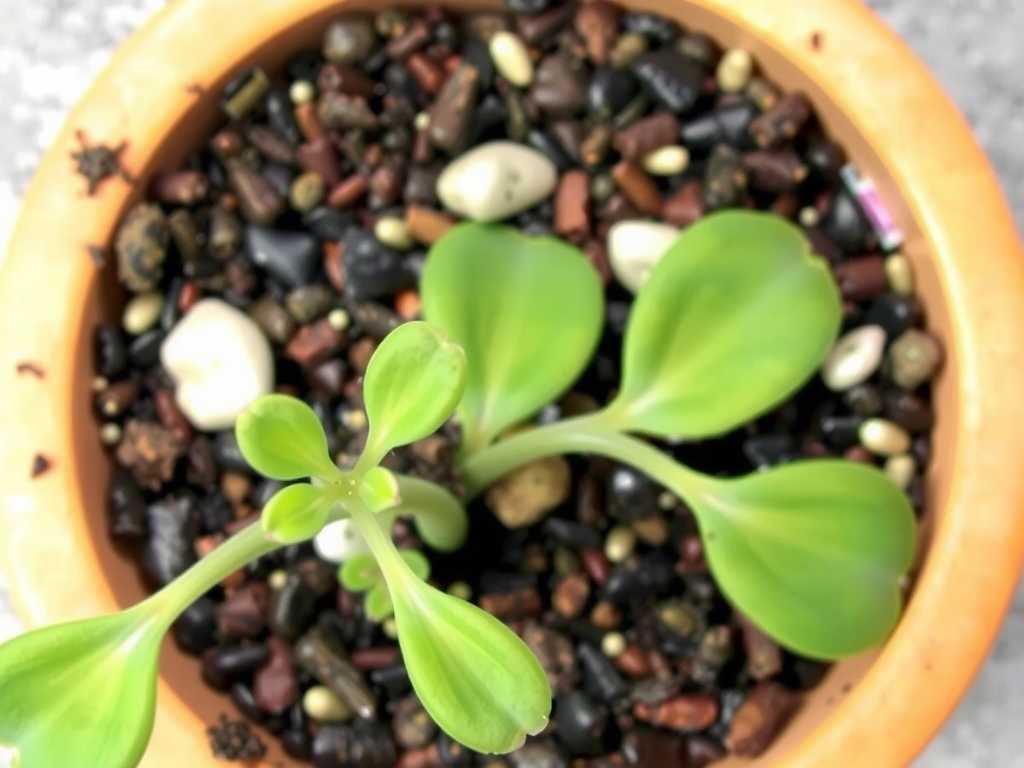
My Personal Winter Care Protocol: The Humidity Dome Method
Frustrated with pebble trays that did little and fearful of the potential for mold with fully enclosed terrariums, I developed a modified "humidity dome" approach. This method focuses on creating a localized, stable environment without sacrificing all air circulation.
Materials I Gathered:
- My temperate Pinguicula grandiflora and tropical Pinguicula 'Tina'
- Clear, ventilated plastic propagation domes (the kind with adjustable vents on top)
- Shallow saucers
- Distilled water (non-negotiable for carnivorous plants)
- A long-spouted watering can
- A digital hygrometer/thermometer
- A bright, south-facing windowsill away from direct heat vents
The Step-by-Step Process I Followed:
- Assessment and Preparation: I first removed any dead or dying leaves from my plants to prevent rot. I gave each plant a thorough bottom-watering by placing their pots in a tray of distilled water for about 30 minutes, ensuring the soil was evenly moist but not soggy.
- Creating the Microclimate: Instead of placing the dome directly over a single pot, I used a larger, shallow saucer as a base. I placed a layer of small, clean aquarium pebbles in the saucer and added just enough distilled water so that the water level was below the top of the pebbles. The plant pots sit on the pebbles, not in the water. This prevents root rot while evaporating water directly into the enclosed airspace.
- Enclosure and Positioning: I placed the clear propagation dome over the entire setup. Crucially, I kept the ventilation slats on the dome about halfway open. This allows for a gentle exchange of air, preventing stagnation and fungal issues, while trapping the rising moisture. The setup went on my bright, cool windowsill where winter light was abundant but the glass provided a naturally cooler microclimate.
The Two-Week Observation Diary: Data and Adjustments
Here is my real-time log of what happened, measured daily at the same time.
- Days 1-3: Initial humidity inside the dome spiked to 85%. My Pinguicula 'Tina' looked perky, but I noticed condensation was forming heavily on the dome walls. Potential Mistake Identified: Too much moisture with not enough air flow could invite botrytis. Action Taken: I opened the dome vents to 75% open. Humidity stabilized at around 72%.
- Days 4-7: Humidity held steady between 70-75%. The temperate P. grandiflora's winter leaves felt firm and plump. No new growth yet, but no further die-back on the leaf edges. The soil surface remained visibly moist. I did not need to water.
- Days 8-10: I noticed the humidity reading dropping slowly to 65%. The water in the pebble tray had nearly evaporated. This was a key learning moment: The system is not "set and forget." Evaporation is constant. Action Taken: I replenished the distilled water in the pebble tray, being careful not to overfill. Humidity climbed back to 72% within a few hours.
- Days 11-14: Stability achieved. Both plants showed zero signs of stress. Most excitingly, my Pinguicula 'Tina' began developing a tiny new growth point at its center—a clear sign it was happy. The dome interior had minimal condensation, and the soil moisture was perfect. My routine became simple: check the pebble tray water every 5-6 days and top up as needed.
Common Pitfalls and How I Solved Them
My journey wasn't perfectly smooth. Here are the common problems with Pinguicula winter care I encountered and how I fixed them.
- The Fungus Gnat Fiasco: In one early attempt, I used standard potting soil that wasn't fully sterile. The warm, moist environment under a dome became a breeding ground for fungus gnats. Solution: I immediately repotted both plants into a proper, well-draining carnivorous plant mix (a 1:1 peat perlite blend, rinsed with distilled water). For existing gnats, I placed yellow sticky traps inside the dome, which controlled the adults without chemicals.
- The "Soggy Bottom" Crisis: I initially placed the pots directly in a waterlogged tray. The temperate Pinguicula's roots, adapted to a drier winter rest, began to rot. Solution: Elevating the pots on the pebbles, as described in my final protocol, was the game-changer. It provided humidity without waterlogging the soil column.
- Light Deprivation: A dome can filter light. My first location was too shaded, leading to etiolated, pale growth. Solution: Moving the setup to the brighter south-facing window provided the essential lighting for dormant Pinguicula. The clear dome did not significantly reduce light intensity to a harmful degree.
Optimizing Your Winter Butterwort Environment
Beyond the dome, other factors are part of the holistic dry season Butterwort maintenance plan.
- Watering Rhythm: I abandoned my summer "top-watering" habit. In winter, with lower evaporation and the dome's humidity, I only water via the pebble tray or by occasional bottom-soaking when the soil surface feels just dry to the touch. This may be only once every 10-14 days.
- Temperature Synergy: As experts from the Carnivorous Plant Hub emphasize, humidity and temperature are partners. Most temperate Pinguicula prefer cooler winter conditions (40-55°F or 5-13°C). My cool windowsill provided this, which further reduced the plants' water demands and made maintaining humidity easier. Tropical varieties were kept in a warmer room, but the dome ensured their localized humidity stayed high.
- Feeding: This is a rest period. I do not feed my plants during winter. Their energy is focused on survival and preparing for spring growth, not digesting prey.
How often should I water my Pinguicula in winter? Throw out the calendar. Watering frequency plummets. I only water when the top layer of soil begins to lose moisture, which, in my humidity dome setup, was about every 10-14 days. Always use the "finger test" and prefer bottom-watering to avoid crown rot.
Can I use a humidifier instead of a dome? You can, and for large collections it's a great solution. However, I found a room humidifier struggled to maintain consistently high humidity in one spot without making the whole room damp. The dome creates a targeted, efficient microclimate with less wasted energy and water. It's a more controlled environment for the plant.
My Pinguicula's leaves are shriveling even though the soil is wet. What's wrong? This is the classic sign of low atmospheric humidity—the leaves are losing water to the dry air faster than the roots can supply it. The soil moisture is irrelevant. This exact symptom is what prompted my humidity dome experiment. You need to immediately increase the local humidity around the plant's foliage.
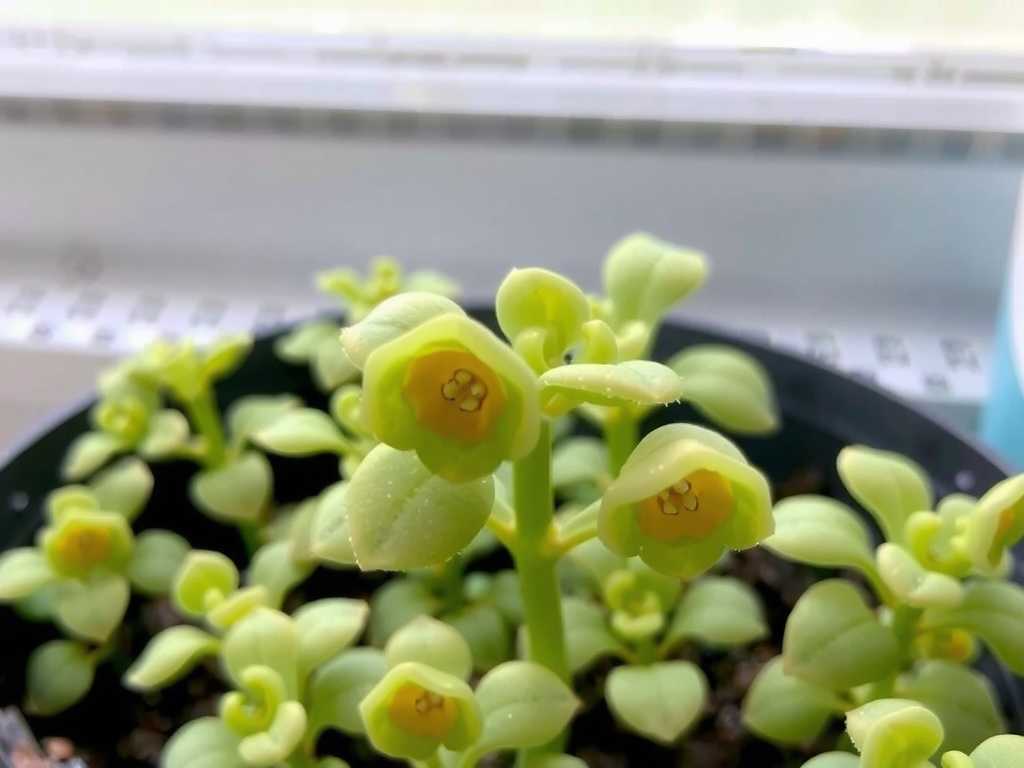
Caring for Pinguicula through a dry winter is an exercise in empathy. You're not just keeping a plant alive; you're recreating a whisper of its native habitat on your windowsill. The humidity dome method, with its balance of enclosure and ventilation, solved the core dilemma for me. It transformed winter from a season of anxiety into a period of quiet, observant stewardship. By monitoring closely, adjusting patiently, and learning from each small setback, you'll not only preserve your Butterworts but gain a deeper connection to their unique needs. Come spring, when they reward you with a flush of vibrant, sticky new leaves, you'll know the effort was profoundly worth it.





