 bluename
 How to Care for Pinguicula After Pest Infestation: A 2-Week Recovery Guide
There’s a special kind of panic that sets in when you find pests on your beloved Butterworts. One day, your Pinguicula is glistening with sticky dew, a perfect little predator; the next, you spot tiny aphids clustered at its heart or the telltale webbing of spider mites. I’ve been there. That sinking feeling is what this guide is for. It’s not just about killing the bugs—it’s about the crucial, often overlooked care for Pinguicula after pest infestation. The recovery phase is where you truly save the plant. I recently navigated this exact crisis with my prized Pinguicula moranensis, and over a focused two-week period, I documented every step, every setback, and every sign of healing. Let me walk you through the proven process to not only eradicate pests but nurse your plant back to vigorous health.
Understanding the Enemy: Common Pests on Pinguicula
Before you can treat, you need to know what you’re fighting. Pinguicula, while carnivorous, are not immune to invaders. The most common culprits are aphids, spider mites, and fungus gnats. Aphids love to suck sap from the tender new growth in the center. Spider mites, almost invisible, weave fine silk and cause a stippled, dusty look on leaves. Fungus gnats are more a nuisance to the plant’s roots and a sign of overly moist soil.
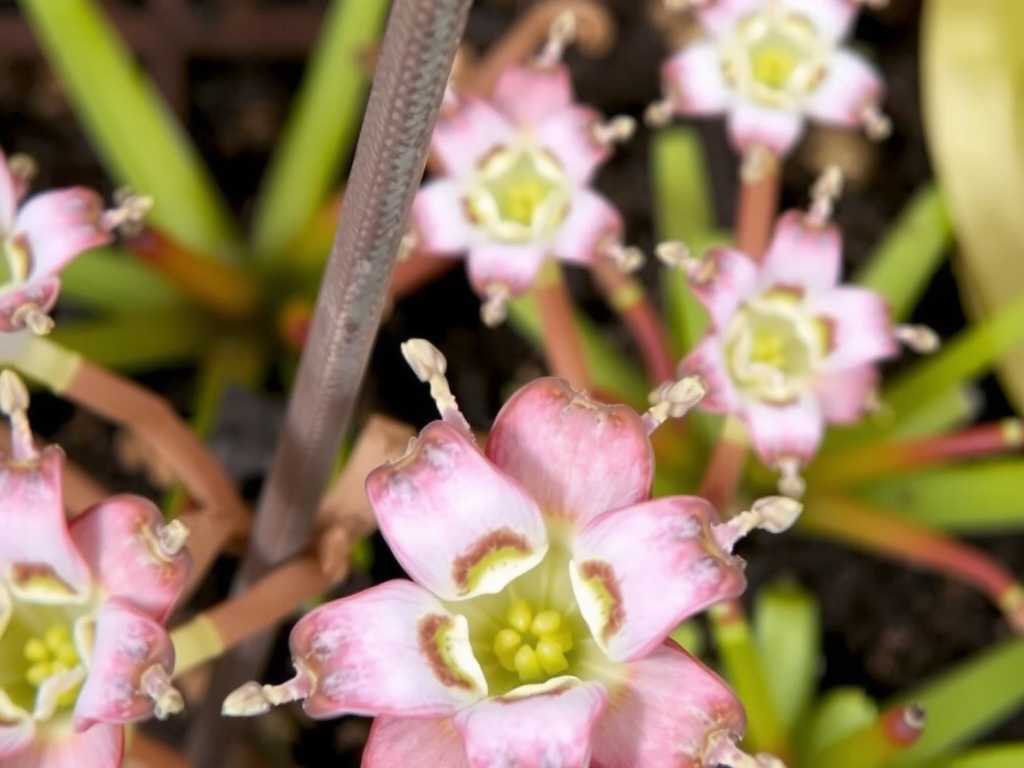
My battle was with aphids. I noticed a lack of dew on new leaves and, upon closer inspection with a magnifying glass, saw the tiny green clusters. Ignoring this is not an option. As noted by the International Carnivorous Plant Society (ICPS), pests can quickly stunt growth and make plants susceptible to fatal secondary infections. Immediate and appropriate action is non-negotiable.
My Step-by-Step Recovery Protocol: Week 1 – Eradication and Stabilization
The first week is about aggressive pest removal and stopping the damage. Here’s the exact sequence I followed.
Step 1: Immediate Isolation and Physical Removal
The moment I confirmed aphids, I quarantined the plant. This prevents spread to your other carnivorous collections. Wearing gloves, I used a soft, damp artist’s brush to manually dislodge and wipe away every aphid I could see. For spider mites, a strong jet of distilled water can help dislodge them. Physical removal reduces the population you need to treat chemically.
Step 2: The Initial Treatment Wash
For my Pinguicula, I opted for a mild insecticidal soap solution, a recommendation often supported by the Carnivorous Plant Hub for soft-bodied pests. I mixed it as per instructions but tested it on a single leaf first. This is my biggest “lesson learned” – always test! After 24 hours with no adverse effect, I proceeded.
- My Mistake and Fix: I initially sprayed the whole plant liberally. Bad idea. The soap pooled in the crown, risking rot. The fix? I gently tilted the plant and used a cotton swab to apply the solution directly to the infested areas, avoiding the central crown. I then rinsed lightly with distilled water after 15 minutes to prevent residue.
Step 3: The Critical Root Zone Check
Pests above soil often mean problems below. I carefully unpotted the plant. The goal here is post-pest Pinguicula care that addresses the whole environment. I inspected the roots for rot or fungus gnat larvae. I found some soggy, decomposed media at the bottom. I gently teased away the old soil mix and trimmed any obviously dead roots with sterilized scissors.
Step 4: Fresh Start in New Media
I repotted into a fresh, well-draining mix I prefer: a 1:1 ratio of silica sand and perlite, with a sprinkle of peat. A study in the Journal of the International Carnivorous Plant Society emphasizes the importance of aeration for root recovery post-stress. I used a clean pot, gave it a thorough soak with distilled water from the bottom, and placed it in bright, indirect light—no direct sun while it was in shock.
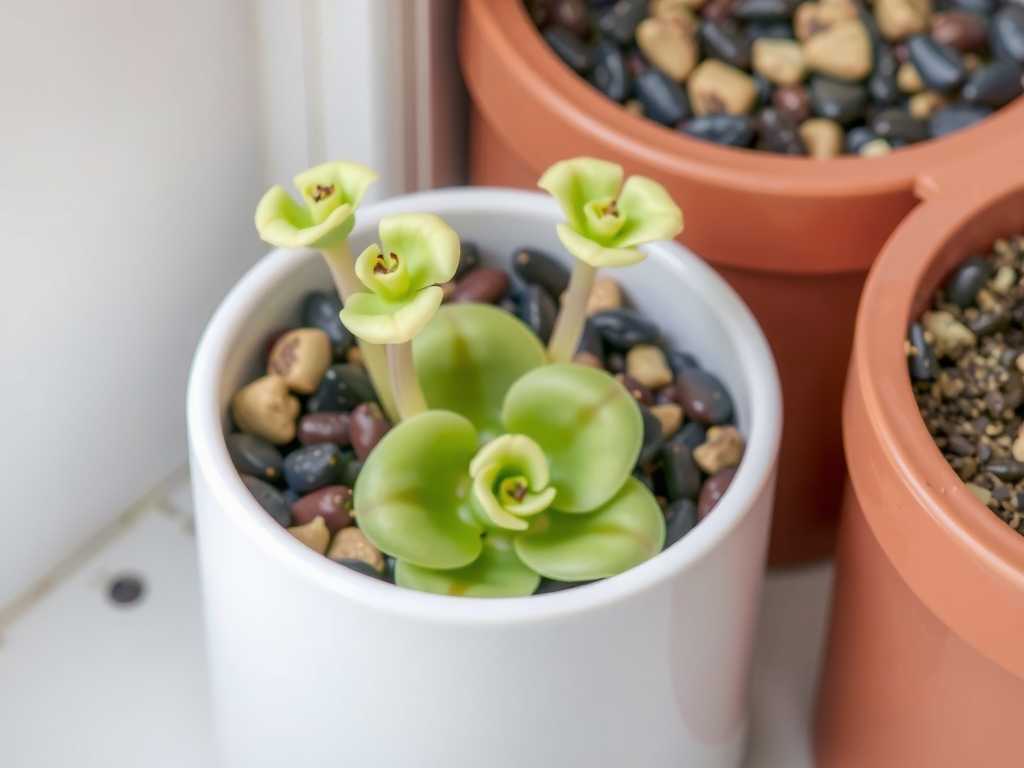
The Observation Diary: Week 2 – Monitoring and Regrowth
Week two is about patience, vigilance, and supporting new growth.
Days 1-3 Post-Treatment: The plant looked sad. Some outer leaves yellowed—a normal stress response. I resisted the urge to treat it again or fertilize. I simply ensured the tray had a shallow amount of distilled water and kept it in stable conditions.
Days 4-7: Here’s where hope appeared. I saw the first sign of a new, tiny leaf forming in the center. Crucially, it was producing a tiny bead of sticky dew! This was the definitive sign my Pinguicula pest recovery was on track. The dew is its immune system and digestive tool coming back online.
Days 8-14: The new growth continued, and a second new leaf emerged. I continued bottom-watering only. No more pests were visible. The key during this phase is environmental stability: consistent humidity (I use a humidity dome for recovering plants), bright light, and absolutely no nutrients. Their roots are too sensitive.
Advanced Tips for Severe Infestations and Preventative Care
For stubborn spider mites or severe cases, a systemic insecticide might be considered by some growers, but use extreme caution and research products safe for carnivorous plants. Neem oil is often suggested, but I’ve found it can clog the plant’s pores—test extensively.
Prevention is the best medicine. I now implement a simple routine:
- Weekly Inspections: With a magnifying glass, especially under leaves.
- Optimal Airflow: A small fan improves circulation, deterring mites and fungus.
- Quarantine for New Plants: A strict 30-day isolation for all new additions.
Your Questions, Answered
Can I use rubbing alcohol to treat pests on my Butterwort? Yes, but with extreme caution. A 50% dilution applied with a pinpoint cotton swab directly on pests can work. Never spray or douse the plant, as alcohol is highly dehydrating and will damage the delicate leaves and dew. My tested spot-treatment method is safer.
How long does it take for a Pinguicula to fully recover? While new growth can appear in 1-2 weeks, full recovery to its pre-infestation size and dew production can take a full growing season (2-3 months). Patience is your most important tool. The plant is redirecting energy to root and core growth first.
Will the damaged leaves recover? No. Leaves scarred by pest feeding will not heal. They may yellow and die back. Your focus should be on the health of the new growth emerging from the center. Do not remove the old leaves until they are completely brown; they still contribute energy.
Watching a Pinguicula rebound from a pest attack is incredibly rewarding. The process boils down to swift, gentle eradication, a fresh physical foundation, and then providing unwavering, stable care while nature does its work. The return of that first glistening drop of dew on a new leaf is the ultimate sign of success. By following this hands-on protocol, you’re not just removing bugs—you’re actively engineering a resilient recovery, giving your plant the best chance to thrive once more.





