 bluename
 How to Care for Pinguicula: Fungal Treatment Guide
There’s a special kind of heartbreak for a plant lover. You’ve nurtured your Pinguicula, marveling at its dewy, jewel-like leaves, only to wake up one morning to a fuzzy, white patch spreading across its crown, or worse, a sudden, blackened collapse. Fungus. It’s the silent, fast-moving nightmare of the carnivorous plant world, and it nearly claimed my favorite Pinguicula moranensis. If you’re staring at a similar disaster, feeling that panic, know this: you’re not alone, and more importantly, it’s often not a death sentence. I’ve been there, and through trial, error, and a lot of careful observation, I’ve developed a treatment protocol that saved my plant and can save yours. This guide is my firsthand account of diagnosing, treating, and nursing a butterwort back from a severe fungal infection.
Understanding the Enemy: Why Pinguicula Are Susceptible
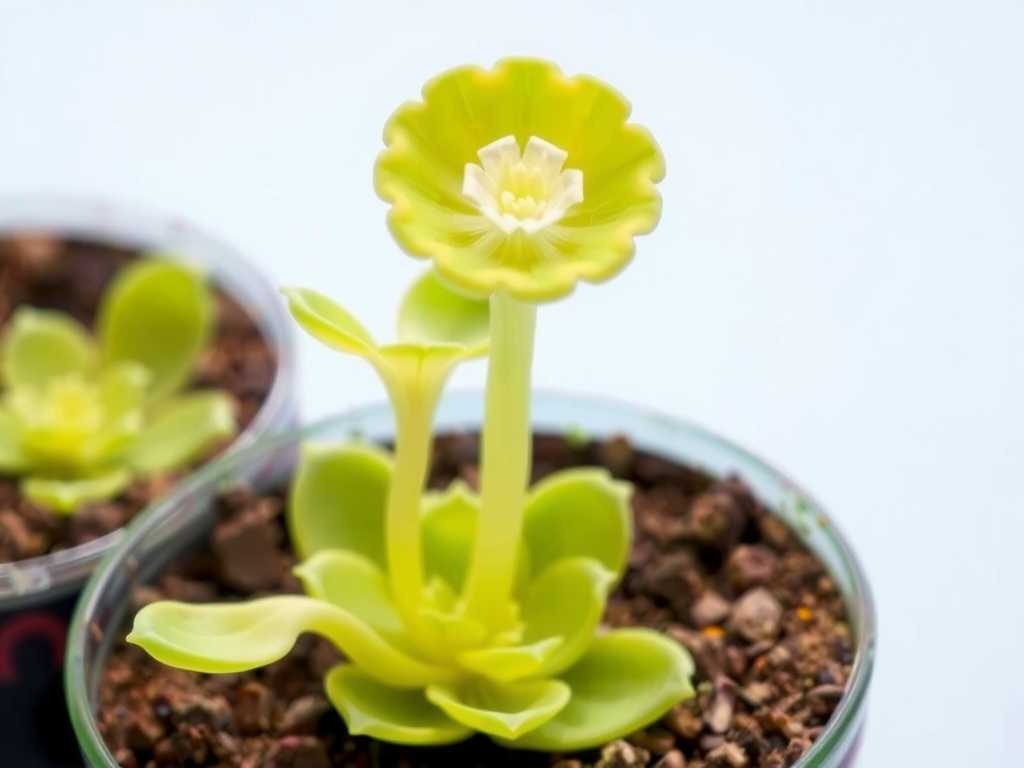
Before we dive into the treatment, it’s crucial to understand what we’re fighting. Pinguicula, or butterworts, thrive in conditions that are also a paradise for fungi: consistently moist, nutrient-poor media and high humidity. Their succulent leaves are designed to hold moisture, but when airflow is poor or conditions become stagnant, fungal spores find a perfect home. The most common culprits are Botrytis (gray mold) and various root and crown rot pathogens like Pythium or Rhizoctonia. The key is early identification. Look for:
- White or Gray Fuzzy Growth: Often on the crown or between leaves.
- Sudden, Mushy Blackening: Leaves or the central growth point turn black and collapse.
- Stunted Growth & Wilting: Despite wet soil, the plant appears dehydrated and limp.
- A Foul Smell: A sure sign of advanced bacterial or fungal rot in the root zone.
My Plant’s Crisis: Diagnosis and Immediate Action
My issue started with subtle wilting. My Pinguicula gypsicola was in its typical gritty, inorganic mix and receiving ample light, but one leaf began to yellow at the base. Within 48 hours, a faint gray fuzz appeared at the crown. I knew I had to act fast. According to experts from the Carnivorous Plant Society (CPS) and resources aligned with Royal Horticultural Society (RHS) principles, immediate isolation is non-negotiable to prevent spread to other plants. My first step was pure panic, I’ll admit. I over-watered, thinking it was thirsty—a classic mistake that only fuels the fungus. Here’s what I should have done, and what you must do from the start:
Step 1: Emergency Triage and Isolation Gently remove the plant from its community tray or pot. Place it in a separate, well-ventilated area. Do not water it. This initial dry-out period is critical to slow the fungal advance.
Step 2: Surgical Removal of Infected Tissue This is the hardest part. With sterilized tweezers and scissors (I use a flame or 70% isopropyl alcohol), you must remove every visibly infected part. For my plant, this meant carefully plucking the two oldest, yellowing leaves and gently scraping away the gray fuzz from the crown. Be ruthless but precise. Any leftover infected tissue will restart the problem. The goal is to leave only healthy, firm, green tissue.
Step 3: The Root of the Problem – Media Replacement Even if the infection seems above ground, the roots are often compromised. I unpotted my butterwort and found several roots were brown and slimy—a clear sign of Pinguicula root rot. I gently washed all remaining roots in distilled water and trimmed the dead ones. The old potting mix was discarded far away from my plant area. This is a vital step in treating fungus on butterworts, as spores live in the media.
Choosing and Applying a Fungicide: A Two-Week Battle Plan
With the plant cleaned up, treatment begins. There are two main paths: chemical and natural. For a severe infection, I opted for a systemic chemical fungicide. The American Horticultural Society (AHS) advises always following label instructions to the letter for plant safety. I chose a product containing thiophanate-methyl, a systemic fungicide effective against a broad spectrum of root and crown rots.
My Application Protocol:
- Day 1: After the surgical cleanup, I prepared a dilute fungicide bath according to the label’s “drench” rate. I submerged the entire root system and base of the plant in this solution for 15 minutes. This ensures the chemical penetrates the root zone.
- Potting in a Sterile Environment: While the plant soaked, I prepared a new pot. Sterilization is key. I used a clean pot with excellent drainage and a completely fresh, well-aerated mix of perlite and vermiculite (a common butterwort soil mix). No peat was used initially to reduce moisture retention.
- Initial Placement: I potted the plant shallowly, keeping the vulnerable crown high and dry. I did not water from the top. The pre-moistened media and the residual moisture from the fungicide drench were sufficient.
- The First Week – Observation: The plant was placed under my grow lights but with slightly less intensity than usual to reduce stress. I monitored it daily. No watering. The leaves looked sad and deflated, which was terrifying, but I resisted the urge to intervene. The fungicide works systemically, meaning the plant absorbs it to fight from within.
- Day 7: I saw the first sign of hope: no new fuzz or blackening. The remaining leaves, while limp, held their green color. I performed a very light top-watering with distilled water, just enough to dampen the top layer of media.
- Week Two – The Turnaround: By Day 10, the plant’s core felt firmer. A tiny, new leaf bud was visible in the very center—the ultimate sign of recovery. I resumed a careful watering routine from the bottom, allowing the pot to sit in a shallow tray of water for 10 minutes before removing it, ensuring the media never stayed soggy.
The Pitfalls I Encountered and How to Avoid Them
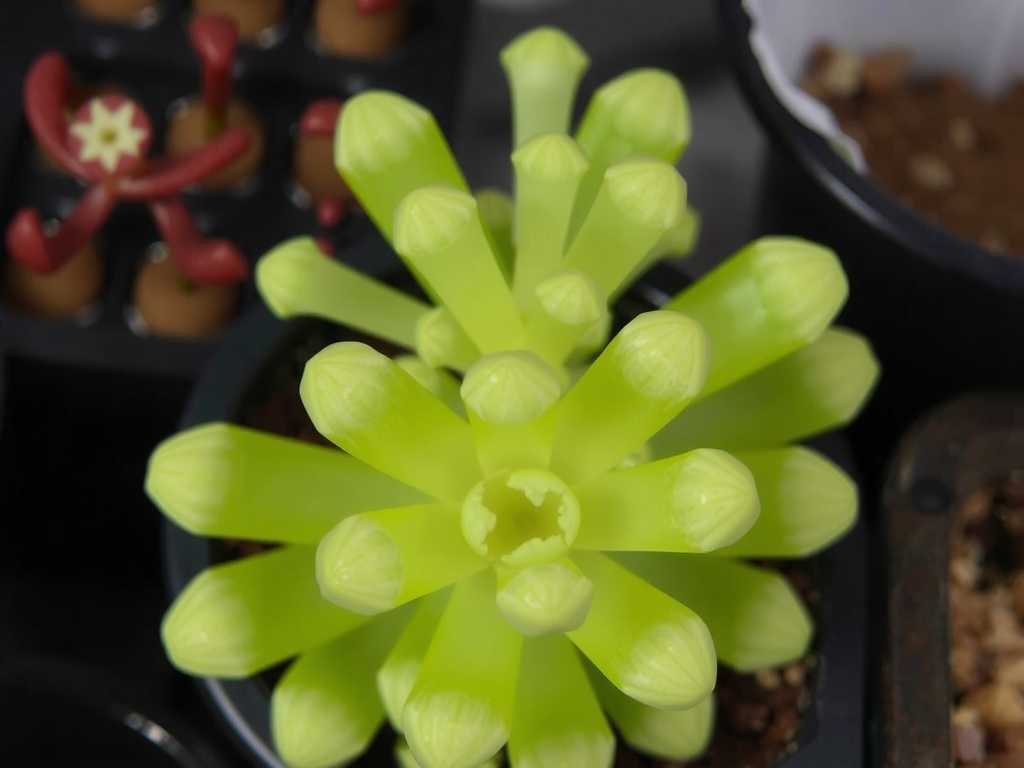
My journey wasn’t smooth. Here are the mistakes I made so you can skip them:
- Overwatering in Panic: My initial reaction worsened the problem. Fungus thrives in wet conditions. When in doubt, let the media surface dry slightly for Pinguicula, especially when sick.
- Incomplete Removal of Infected Tissue: In my first attempt, I was too gentle. The fungus came back within days. The second surgery had to be more aggressive. It feels wrong, but removing a bit of healthy tissue around the infection is better than leaving any fungus behind.
- Poor Airflow: My plant was in a still corner. After treatment, I added a small, oscillating fan on low setting across the room to gently circulate air without desiccating the plant. This single change made a massive difference in preventing recurrence.
- Ignoring the Dormancy Factor: Some temperate Pinguicula need a dry winter dormancy. Trying to keep them wet and active year-round is an open invitation for fungal issues. Research your specific species’ needs.
Prevention: Building a Fungus-Resistant Environment
Treatment is a battle, but prevention is the war. Here’s how I’ve adjusted my care to create a hostile environment for fungi:
- Airflow is King: Consistent, gentle air movement is the best preventive measure. A small fan is an excellent investment.
- The Right Media: Use a fast-draining, inorganic-heavy mix. My standard is now a 1:1 ratio of silica sand to perlite, which provides stability and excellent drainage.
- Water Wisely: Always use distilled, rainwater, or reverse osmosis water. Water from the bottom and allow the tray to dry out before refilling. Never let pots sit in permanently standing water.
- Quarantine New Plants: Any new addition to my collection now spends at least a month in isolation. This simple habit has prevented multiple potential outbreaks.
My butterwort is showing white fuzz. Is it too late? Not necessarily. If the central growth point (the crown) is still firm and green, you have a very good chance. Immediate isolation and surgical removal of the infected parts are your first and most critical steps. The faster you act, the higher the likelihood of success.
Can I use a natural remedy like cinnamon or hydrogen peroxide? For very early, superficial spots, a dusting of cinnamon (a natural antifungal) on a cut can be helpful. A dilute hydrogen peroxide spray (1 part 3% H2O2 to 4 parts water) can also surface-treat mild fuzz. However, for an advanced infection affecting the crown or roots, a systemic chemical fungicide is often the only reliably effective tool. I tried cinnamon first on my plant, and it delayed but did not stop the progression, forcing me to use a stronger treatment later.
How do I know if my Pinguicula is recovering or dying after treatment? Look for the crown. If it remains firm and, most importantly, if you see the tiniest hint of new, green growth emerging from the very center, it’s recovering. Recovery is slow; the plant will prioritize root and core health over new leaves. Limp, older leaves may die back—this is normal. True death is when the entire crown turns to black or brown mush. Patience is essential; give it at least 3-4 weeks to show clear signs.
Watching a Pinguicula overcome a fungal infection is a lesson in resilience—both the plant’s and your own. It requires swift action, a steady hand, and the discipline to sometimes do nothing but wait. The process I followed over those intense two weeks transformed a near-catastrophe into a valuable learning experience. By creating an environment with strong airflow, well-draining media, and careful watering, you can shift from a constant fight against disease to simply enjoying the fascinating beauty of these sticky-leaved predators. Remember, the goal isn’t just to treat one infection, but to cultivate practices that make your growing space inherently healthier for all your plants.





