 bluename
 How to Care for Pinguicula: Fix Trap Issues Fast
There’s nothing more disheartening for a carnivorous plant enthusiast than watching a beloved Butterwort struggle. You’ve provided the special soil, the right water, and the bright light, yet your Pinguicula’s traps remain stubbornly shut, or worse, they look weak and inactive. I’ve been there, staring at a once-vibrant plant, wondering what silent plea I was missing. The frustration is real because these aren’t just leaves; they’re fascinating, sticky hunting grounds that define the plant’s health. If your Pinguicula’s traps aren’t functioning, it’s a clear distress signal. Over the years, through trial and plenty of error, I’ve learned that fixing trap issues isn’t about one magic bullet. It’s about systematically checking and correcting the pillars of its care. In this guide, I’ll walk you through the exact, hands-on steps I took to diagnose and revive a Pinguicula with trap problems, sharing my two-week observation journal, the mistakes I made along the way, and how we can get those gluey traps back in business.
Understanding the Pinguicula Trap: It’s Not a Venus Flytrap First, let’s clear a major misconception. A Pinguicula’s trap is entirely different from the snapping jaws of a Venus flytrap. Our Butterworts are passive hunters. Their leaves are coated in two types of glands: stalked glands that secrete sweet, sticky mucilage to ensnare prey, and sessile glands that digest it. The leaf itself does not move to capture. Therefore, a “broken” trap usually means the leaf is not producing this vital, sticky glue. The surface may look dry, dusty, or simply non-adhesive. This failure is a symptom, not the disease itself. As noted by the International Carnivorous Plant Society, consistent trap function is a key indicator of a Pinguicula’s overall well-being, directly tied to its environmental conditions.
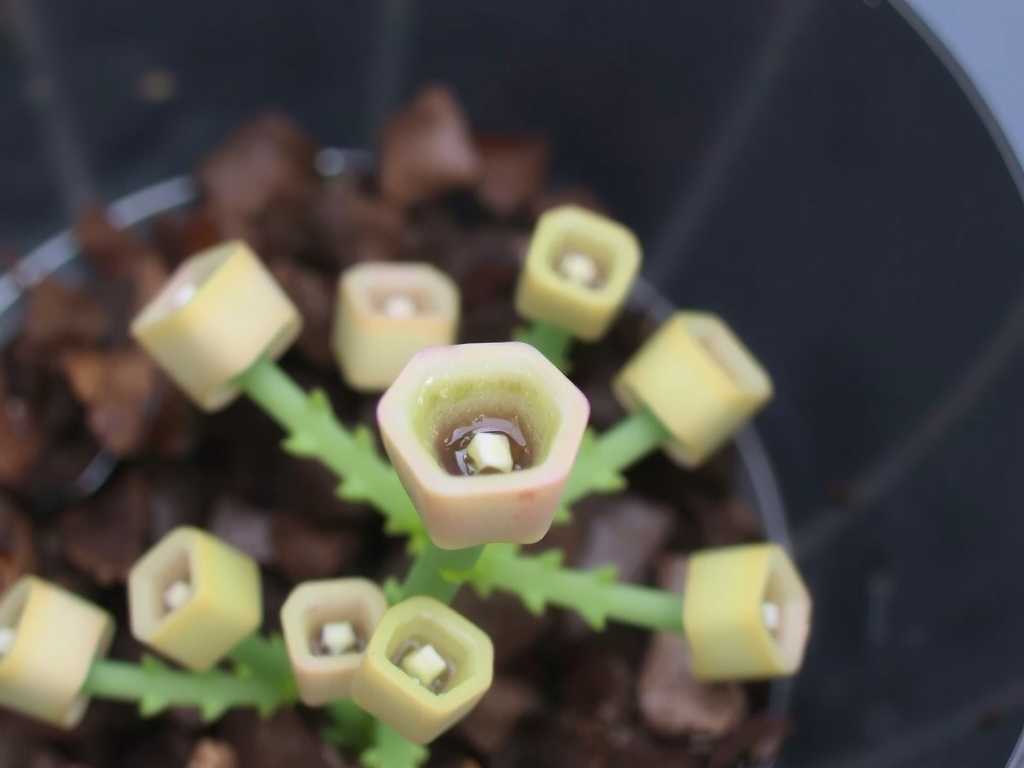
My Diagnostic Journey: The Two-Week Rescue Protocol I decided to apply a structured rescue plan to a Pinguicula ‘Sethos’ that had stopped producing dew. I committed to observing and adjusting one factor at a time over a 14-day period to pinpoint the exact cause.
Week 1: The Foundation – Water and Light I started with the most common culprits: water quality and light exposure. I was using tap water, which I suspected might be the issue, but I hadn’t realized how sensitive the plant was.
Step 1: Switching to Pure Water I immediately stopped using tap water. I repotted the plant into fresh, pre-moistened carnivorous plant soil (a peat-perlite mix) using only distilled water. I placed the pot in a shallow tray and began the “tray method,” keeping about 0.5 inches of distilled water in the tray at all times. This ensures constant moisture from below without waterlogging the crown.
- The Mistake I Made: Initially, I only top-watered with distilled water but didn’t maintain the tray. The medium dried out too quickly between waterings, stressing the plant further. The tray method provided consistent humidity and moisture, which is crucial for mucilage production.
- Observation (Days 1-3): No visible change. The leaves remained dry and slightly curled at the edges. This was expected, as recovery takes time.
Step 2: Maximizing Light Intensity My plant was on a bright windowsill, but it was north-facing. Pinguicula need intense light to fuel the energy-expensive process of producing mucilage. I moved it under my full-spectrum LED grow lights, positioning it about 6 inches below the source for 14 hours a day.
- Observation (Days 4-7): By day 5, I noticed a subtle change. The newest, central leaves had a faint, greasy sheen under the LED light. It wasn’t proper dew yet, but it was a sign of life! The older leaves remained dry. This confirmed that light was a major factor. The Royal Horticultural Society emphasizes that for most carnivorous plants, light is the primary driver of trap development and function.
Week 2: Humidity, Nutrition, and Patience With the basics corrected, I focused on microclimates and addressing potential nutrient deficiencies.
Step 3: Boosting Local Humidity While the tray method helped, our indoor air was still dry. I created a simple humidity dome by placing a clear, ventilated plastic bag over the pot for a few hours each afternoon. I was careful to avoid letting condensation drip onto the leaves, as standing water can wash away mucilage.
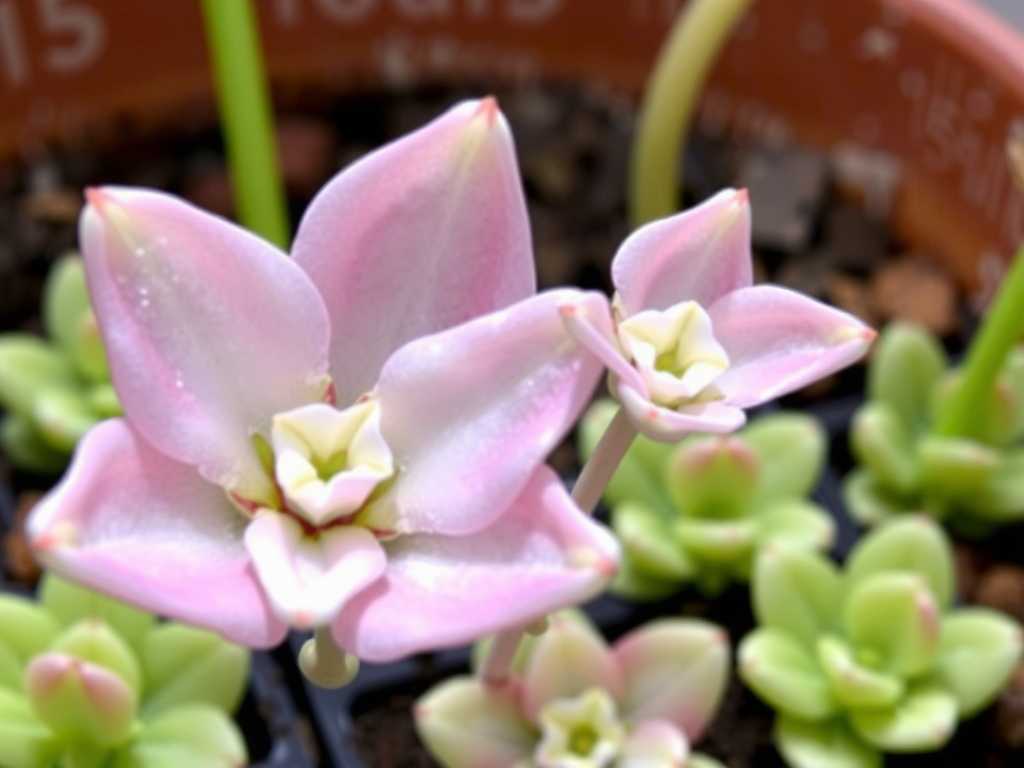
- The Mistake I Made: On day 9, I left the bag on overnight. In the morning, I found water droplets on the leaves and the tiny beginnings of dew seemed washed off. I learned that gentle, ambient humidity is better than direct wetness. I switched to using the bag for only 3-4 hours in the early evening.
- Observation (Days 8-10): The greasy sheen on the new leaves became more pronounced. They now looked visibly sticky to the touch. Small fungus gnats were starting to get caught! This was a huge milestone.
Step 4: The “Fish Food” Fertilizer Boost A common hack among experienced growers, championed by experts like those on the Carnivorous Plant Help forum, is using a minuscule amount of fish food or orchid fertilizer on the leaves. The theory is that it provides the nutrients the plant isn’t getting from prey, kickstarting its metabolism. I dissolved a single pellet of betta fish food in a cup of distilled water. Using a fine paintbrush, I carefully applied a tiny drop of this weak solution to just two leaves.
- Crucial Warning: This is a high-risk, high-reward tactic. Never apply fertilizer to the soil, and always use an extremely diluted solution. I tested on only two leaves to avoid losing the whole plant if it reacted poorly.
- Observation (Days 11-14): The two fertilized leaves showed significantly more dew production by day 13 than the others. Their droplets were larger and sparkled brilliantly. The other leaves were also dewing up, but more slowly. This confirmed that while the plant was recovering, a lack of nutrients had been a contributing factor. The main fix, however, was still the proper water and light.
Key Takeaways for Healthy, Sticky Traps Based on this experiment, here is your action plan to fix Pinguicula trap issues, in order of priority:
- Water is Non-Negotiable: Use only distilled, reverse osmosis, or rainwater. Maintain consistent moisture via the tray method. This is the single most important step.
- Light is Their Engine: Provide very bright, direct light for at least 12 hours daily. A south-facing window or a strong grow light is essential. Weak light equals weak traps.
- Respect Their Dormancy (The Seasonal Factor): Many temperate Pinguicula form a tight, non-carnivorous bud (a hibernacula) in winter. During this time, they need less water and cooler temperatures. Don’t panic if your plant loses its dew in fall—it might just be sleeping. Reduce watering and wait for spring growth.
- Humidity is a Helper, Not a Cure: While low humidity can hinder dew, fixing water and light often solves the issue. Avoid misting the leaves directly. A pebble tray or room humidifier is safer than creating a fungal-friendly, stagnant environment.
- Feed Gently, If at All: A healthy Pinguicula in a sunny location will catch its own food. If you must feed, use a single, small insect or the diluted fish food method on a single leaf as a test. Overfeeding will rot the leaf.
Why won’t my Pinguicula produce sticky dew anymore? The most likely reasons are the use of mineral-rich tap water or insufficient light. These two factors are responsible for the vast majority of “dry” Butterworts. Check these first before investigating more complex issues like dormancy or pest infestation.
Can I use fertilizer to help my Pinguicula? Extreme caution is required. Never use standard plant fertilizer in the soil. The accepted method is foliar feeding with an extremely diluted solution (like weak orchid fertilizer or fish food water) applied sparingly to a few leaves. The plant’s roots are adapted for nutrient-poor environments and will burn easily.
My plant’s leaves are turning brown and mushy at the base. Is this related to trap issues? Yes, this is often a separate but critical issue called root or crown rot, usually caused by keeping the crown (center) of the plant too wet or using the wrong water. This is a more severe problem than just missing dew. Stop watering from above, ensure the tray method isn’t submerging the pot base too deeply, and repot into fresh, airy medium if necessary. Trap function will not return until the rot is addressed and new growth emerges.
Reviving your Pinguicula’s traps is a lesson in patience and precision. It requires a return to the fundamentals of their unique ecology. By methodically ensuring pure water, intense light, and consistent moisture, you create the foundation for those glistening, deadly leaves to thrive. My two-week experiment proved that while quick fixes are tempting, the steady, correct application of core care principles yields the real, lasting results. Watch your plant, learn its language, and trust that with the right environment, it will reward you with a spectacular display of natural, sticky artistry.





