 bluename
 How to Care for Pinguicula with Unexpected Issues: A Grower's Diary of Troubles and Triumphs
You’ve mastered the basics of your Pinguicula, or butterwort. You provide the right soil, the proper light, and distilled water. Yet, sometimes, your perfect little carnivorous plant throws you a curveball. A leaf starts to brown at the tip, the center looks odd, or growth just… stops. I’ve been there. As a dedicated carnivorous plant enthusiast, I’ve learned that the real art of care begins when the unexpected happens. This isn't just a guide; it's a shared journey from my greenhouse bench, detailing the precise steps I took, the two-week vigil I kept, and the practical solutions I discovered when my own Pinguicula faced puzzling problems.
Understanding the Butterwort's Basic Blueprint
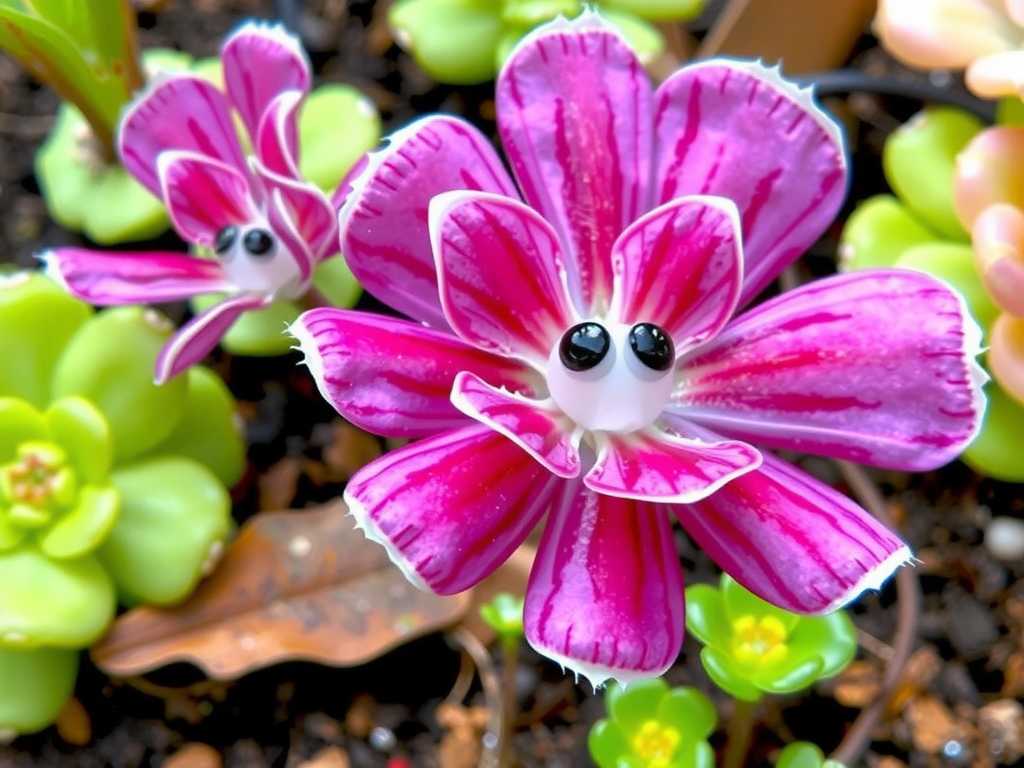
Before we dive into troubleshooting, let's establish what "normal" looks like. Pinguicula are fascinating for their dual nature. During their growth phase, they produce flat, sticky carnivorous leaves to trap fungus gnats and other pests. Many species then undergo a seasonal change, entering a succulent or hibernacula phase with smaller, non-carnivorous leaves. Recognizing which phase your plant is in is the first critical step to identifying a true issue. The Royal Horticultural Society (RHS) emphasizes that confusing a natural dormancy period with a health problem is one of the most common mistakes growers make.
The Two-Week Rescue Mission: Diagnosing and Solving Real Problems
In my experience, most unexpected issues with Pinguicula fall into a few key categories. Last season, I decided to document my process meticulously when two of my prized Pinguicula moranensis specimens began to show distress. What follows is my real-world protocol.
Problem 1: The Mysterious Case of the Browning Leaf Tips and Stunted Growth
I noticed the leaf edges on one plant turning a dry, crispy brown. New leaves seemed smaller, and overall growth had slowed. My initial thought was sunburn, but the plant wasn't in direct, harsh light.
-
My Step-by-Step Diagnosis & Action:
- The First 48 Hours – Rule Out the Obvious: I checked the soil moisture. It felt damp but not soggy. I then tested the water I’d been using with a TDS (Total Dissolved Solids) meter. To my dismay, the reading was over 50 ppm. Even "filtered" water can contain minerals toxic to Pinguicula. The American Carnivorous Plant Society (ACPS) states unequivocally that water with more than 50 ppm TDS can lead to root burn and nutrient toxicity over time.
- Days 3-5 – The Flush and Switch: I immediately flushed the pot with a large amount of distilled water (with a TDS of 0) to leach out any mineral buildup. I then placed the pot in a shallow saucer and switched exclusively to rainwater and distilled water for all my carnivorous plants.
- The Two-Week Observation: This was the crucial period. I resisted the urge to repot or fertilize, which could add more stress. I simply ensured the soil stayed evenly moist with pure water and maintained good humidity. By the end of the first week, the browning had ceased its spread. By the end of the second week, I could see a tiny, healthy new leaf emerging from the center—a sure sign of recovery.
-
The Pitfall I Avoided: My instinct was to increase watering, thinking it was dehydration. That would have been exactly the wrong move if the issue was actually mineral burn, potentially leading to root rot. Testing the water source first saved the plant.
Problem 2: A Soft, Pale Center and Wilting Leaves
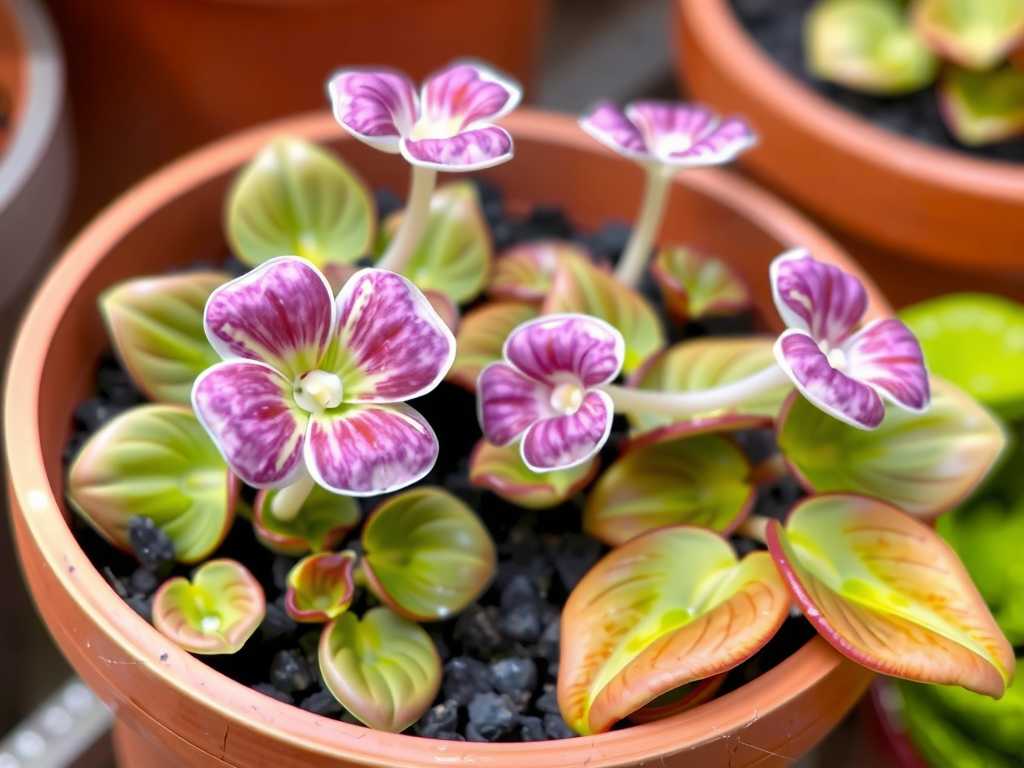
On another plant, the center growth point felt softer than usual and had lost its vibrant green hue. The outer leaves began to wilt. This raised immediate alarm bells for crown rot, a fungal issue often caused by poor air circulation or water sitting in the crown.
-
My Step-by-Step Diagnosis & Action:
- Immediate Intervention – The Tactile Test: Gently, I touched the base of the plant and the soil surface. It was unpleasantly cool and wet. I realized my terrarium setup, while great for humidity, had virtually no air movement.
- Days 1-3 – Surgery and Environment Change: Using sterilized tweezers, I carefully removed the visibly softened, decaying material from the center, being meticulous not to damage any healthy tissue. I then moved the plant out of the stagnant terrarium and onto an open shelf with a small, oscillating fan set on low at a distance to gently stir the air. I withheld top watering to let the soil surface dry slightly.
- Days 4-14 – Monitoring for Recovery or Last Resorts: I watched the plant daily. For the first five days, it looked unchanged—the hardest part is waiting. I continued to provide bright, indirect light and airflow. By day 10, the wilting on the outer leaves had stabilized. No further softening occurred. The plant was essentially in "pause" mode, which was a victory; it had stopped declining. In a more severe case where decay continues, the final option is to attempt leaf pullings from the healthiest outer leaves to propagate a new plant before the mother plant is lost entirely.
-
The Lesson Learned: High humidity does not mean stagnant air. The expertise shared by veteran growers in forums like the International Carnivorous Plant Society (ICPS) consistently highlights airflow as a non-negotiable factor in preventing fungal pathogens, a point now firmly etched in my care routine.
Advanced Care: Navigating Dormancy and Pest Intruders
Sometimes, the "issue" is a natural process we misunderstand. A Pinguicula gypsicola of mine once shed all its carnivorous leaves. I panicked, thinking it was dying, until I remembered its specific growth cycle. It was simply entering its succulent phase. I reduced watering significantly and gave it brighter light, and it thrived.
For pests like aphids, which can occasionally be attracted to the tender growth, I use a method endorsed by many professional growers: a mild solution of castile soap and water, carefully applied with a cotton swab only to the affected areas, followed by a gentle rinse with distilled water. The plant's own sticky leaves usually handle the rest!
Your Questions, Answered from the Bench
Can I use tap water if I let it sit out overnight? No. Letting water sit evaporates chlorine but does not remove dissolved minerals like calcium and magnesium, which are the real culprits. A TDS meter is a small investment for long-term plant health. Always use distilled, reverse osmosis, or clean rainwater.
My Pinguicula isn't producing dew on its leaves. What's wrong? Low humidity, incorrect lighting (too dim or too harsh), and mineral-laden water are the primary causes. Ensure your plant gets bright, indirect light (an east or south-facing window is often ideal), boost local humidity with a pebble tray, and double-check your water purity. Also, remember that many species lose dew during their non-carnivorous dormancy phase.
When should I repot my butterwort, and what soil is essential? Repot in early spring as growth resumes. The perfect mix must be nutrient-free and well-aerating. My go-to recipe, supported by decades of collective grower experience, is a 50:50 blend of perlite and peat moss. Never use standard potting soil or fertilizer; it will fatally harm the plant.
Caring for Pinguicula with unexpected issues is a test of observation and patience. It teaches us to look beyond the basic care sheet and understand the plant's language—a brown tip, a soft center, a lack of dew. By methodically diagnosing the problem, acting with precise adjustments, and giving the plant a solid two weeks to respond, we move from being passive owners to active, successful cultivators. The greatest reward is seeing that first sign of new, healthy growth emerge from a plant you helped nurse back to health.





