 bluename
 Here's the short answer I wish someone had handed me years ago: you can propagate butterwort in warm temperatures from a single leaf pulling, and most Mexican Pinguicula will show tiny new growth within 14 to 21 days. No rooting hormone needed. No grow tent. Just a healthy leaf, the right mix, and the discipline to stop fussing over the water bottle.
I've killed more butterworts than I'd like to admit. My first one died in a July heatwave because I panicked and watered it twice a day. My second rotted inside a sealed plastic bag. The third one finally taught me what warm-weather propagation actually needs.
So if you're in the US, Canada, the UK, or Australia and your spare room is sitting at 78°F, this is the method that works.
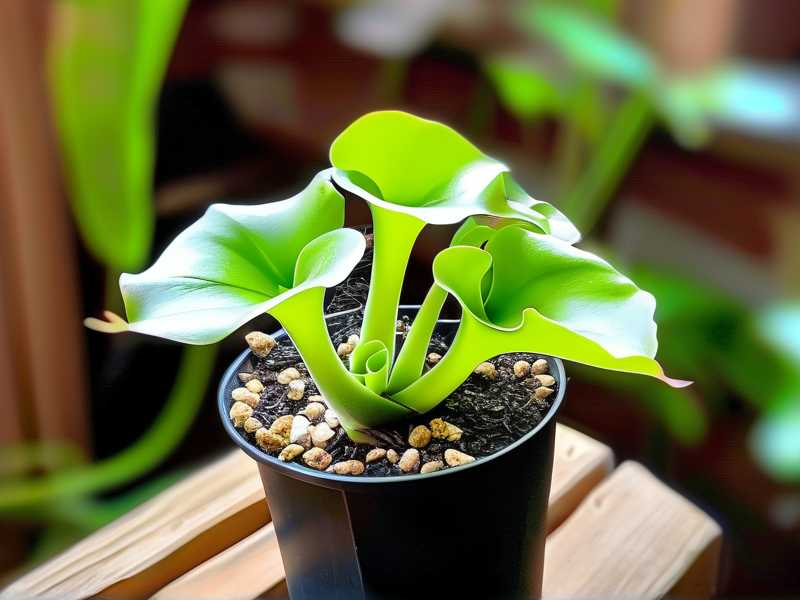
Why Warm Temperatures Change Everything
Butterworts are weird little plants. They're carnivorous, but they don't have traps that snap shut. They catch gnats on sticky leaves. And unlike most carnivorous plants, they don't want boggy, soaking-wet soil.
Mexican butterworts actually love warmth. Their sweet spot is roughly 65°F to 85°F (18°C to 29°C). In that range, leaf pullings root fast and division happens almost on its own.
But here's the catch. Warm air and warm soil dry out quickly. And warm, stagnant, humid air is a rot factory. So the whole game in summer is balancing moisture with airflow.
The RHS recommends bright, indirect light for tender Pinguicula species, and I've found that holds true for young pullings too. Blast them with direct afternoon sun in a heatwave and you'll get crispy edges by day three.
Three Ways I Propagate Butterwort
There are three routes. Two of them are worth your time in warm weather.
Leaf pullings. The fastest, easiest option. You snap a healthy leaf off close to the crown and let it do its thing on damp mix. This is my go-to from late spring through early autumn.
Division. Mature butterworts naturally split into separate rosettes. In warm weather they do this fast. You just lift the plant out, tease the clumps apart, and pot them up.
Seed. Possible, but slow and unpredictable. Butterwort seed needs fresh sowing and consistent moisture. I've tried it twice and got maybe four plants out of a hundred seeds. Not worth the shelf space for most home growers.
Stick with leaf pullings. That's where the wins are.
Leaf Pullings, Step by Step
This is exactly what I do, in order.
Step 1: Pick the right leaf. Choose an outer leaf that's fully formed. Not the tiny new ones in the center, and not a yellowing old one. It should feel firm and slightly tacky.
Step 2: Pull, don't cut. Gently bend the leaf downward until it snaps off at the base. You want a clean break with a bit of white tissue at the end. If you cut it with scissors, you'll often leave the growing point behind and nothing happens.
Step 3: Let it callus for two hours. This matters more in warm weather. A fresh wound sitting on wet mix is an open invitation for bacteria. I leave mine on a dry plate near a window for a couple of hours.
Step 4: Lay it flat on the mix. Not buried. Just pressed gently onto the surface. I use a 50/50 blend of peat and perlite, or sometimes a coarse mineral mix with pumice and sand.
Step 5: Keep the mix barely damp. Not wet. Think wrung-out sponge.
Step 6: Give it light and airflow. Bright, indirect light. A small fan on low nearby is genuinely helpful in summer.
Step 7: Wait. Two to three weeks for the first tiny leaves. Sometimes four if your room runs hot and dry.
What My First Two Weeks Actually Looked Like
I ran a small test last August with six leaf pullings from a Pinguicula moranensis. Room temperature hovered between 76°F and 81°F. Here's the log.
Day 1–3: Nothing visible. The leaves looked exactly the same. I resisted the urge to water.
Day 4–7: Two leaves curled slightly at the edges. I mistook this for drying out and nearly watered. It wasn't dryness. It was the leaf starting to redirect energy to the base.
Day 8–10: One leaf went brown at the tip. I removed it. The remaining five looked stable.
Day 11–14: Three of the five showed tiny green nubs at the base. Genuinely tiny, like a pinhead. That's the moment you're waiting for.
By week four, all five had small rosettes. By week eight, I potted them into individual 2-inch pots.
The one I lost? I'd buried it slightly too deep. Lesson learned.
Light: What Young Pullings Really Need
A lot of people get this wrong. They see "carnivorous plant" and assume full sun.
Truth is, butterwort pullings want bright but filtered light. A east-facing windowsill is close to perfect. South-facing works if you diffuse it with a sheer curtain in summer.
Too little light and your pullings will stall. They'll sit there for six weeks doing nothing, then slowly yellow.
Too much light and you get scorched, papery leaf edges. In Australia during a heatwave, or in a Canadian apartment with a west window and no shade, this can happen in a single afternoon.
If you're using grow lights, keep them 8 to 12 inches above the plants and run them 12 to 14 hours a day. That's plenty.
Watering: This Is Where Most People Fail
Let me be blunt. 90% of indoor plants die from overwatering. Butterworts are no exception, and young pullings are even more fragile.
Here's my rule. Water from below, lightly, and only when the surface mix feels dry to the touch.
I use the tray method. Set the pot in a shallow tray with a quarter inch of water. Let it soak for 20 minutes. Then dump whatever's left. Never leave the pot sitting in standing water overnight in warm weather.
For leaf pullings specifically, I mist the surface once every two or three days rather than pouring. In high heat, I sometimes skip the mist entirely and just keep the tray humidity up.
Signs you've overwatered: black mush at the base, a sour smell, sudden collapse. Once rot sets in at the crown, that pulling is done. Toss it and start fresh.
Signs you've underwatered: leaves curling inward, dry crispy tips, the whole leaf shriveling. This is much easier to fix. A light bottom-water usually revives it within a day.
Soil Mix and Pots
Butterworts hate rich, heavy soil. Forget standard potting compost entirely.
My mix is simple:
- 2 parts peat moss
- 1 part perlite
- 1 part coarse sand or pumice
Some growers swap peat for a fully mineral mix of pumice, lava rock, and sand. That works too and drains even faster, which is great in hot rooms.
For pots, use something small. A 2-inch pot for a single pulling, a 3-inch for a small cluster. Terracotta dries faster, which helps in humid conditions. Plastic holds moisture longer, which suits dry climates.
Always check for drainage holes. I once reused a decorative ceramic pot that only had one tiny hole. The mix stayed wet for a week and I lost three pullings. Never again.
Fertilizer: Less Than You Think
Butterworts get nutrients from the insects they catch. They don't need much from you.
I feed mine maybe once a month during active growth, and only with a very diluted liquid fertilizer at quarter strength. I apply it to the leaves, not the soil, and I rinse it off after a few hours.
Never fertilize fresh leaf pullings. Never fertilize in winter. Never fertilize a plant that looks stressed or sick.
If your butterwort is catching gnats on its own, honestly, skip the fertilizer entirely.
Seasonal Care for Propagating Butterwort
Warm-weather propagation doesn't exist in a vacuum. What you do in each season shapes how well your pullings take.
Spring
This is prime time. As light levels rise and your plants wake up, start pulling leaves in mid to late spring.
Repot divisions now too. Trim any dead or brown outer leaves so the crown gets airflow. A light feed at quarter strength is fine once you see new growth.
If you're in the UK or Canada, this is when your plants come out of their slow winter phase. Don't rush it. Wait until you see fresh leaves pushing.
Summer
Warm temperatures make propagation fast, but summer is also when things go wrong.
Watch the heat. Above 90°F, butterworts slow down and pullings can stall. Move pots away from hot windows. A small fan nearby helps a lot.
Never let water sit in the tray during a heatwave. That's how you get rot within 48 hours.
Check for pests weekly. Aphids and mealybugs love warm, still air. Wipe them off with a damp cotton swab and a little diluted soap if needed.
Autumn
Growth slows. Stop pulling leaves by early autumn so new plants have time to establish before winter.
Cut back on watering slightly. Let the mix dry a bit more between waterings. Reduce feeding to once every six weeks, then stop altogether.
This is also a good time to clean up dead foliage and check your pots for any lingering pests before they come indoors.
Winter
Most Mexican butterworts go semi-dormant and produce a tight rosette of small, non-carnivorous leaves. Don't panic. That's normal.
Move everything indoors if you haven't already. Keep them cool, ideally 55°F to 65°F. Water very sparingly, just enough to keep the mix from going bone dry.
No fertilizer. No propagation. No repotting.
The AHS notes that tender perennials benefit from a defined rest period, and butterworts are a good example. Fighting dormancy will only weaken the plant.
Three Mistakes That Kill New Growers
1. Overwatering. I said it once and I'll say it again. 90% of indoor plants die from overwatering. Soggy mix plus warm air equals rot. Let the surface dry.
2. Light in the wrong place. Full sun scorches. Deep shade stalls. Bright indirect light is the answer for pullings.
3. The wrong pot. Too big, no drainage, or a heavy glazed container that holds moisture for days. Small pots with holes. That's it.
I lost an entire batch of six pullings to a pot with no drainage. Six. In one week. I still think about it.
Pests and Problem Troubleshooting
Yellow leaves. Usually too much water or too little light. Check the mix first.
Brown, crispy leaf tips. Low humidity or too much direct sun. Move it and mist lightly.
Black mushy base. Root or crown rot. Remove the affected plant immediately so it doesn't spread. There's no saving it once the crown turns to mush.
No growth after three weeks. The pulling probably didn't include the base tissue. Try again with a fresh leaf.
Sticky leaves losing their shine. Low humidity or the plant is entering dormancy. Check the season.
Aphids. Common in warm rooms. Blast them off with water, then dab with diluted insecticidal soap.
Mealybugs. White cottony blobs near the crown. Remove with a cotton swab dipped in rubbing alcohol.
Fungus gnats. Ironically, your butterwort will eat them. But reduce moisture anyway, since gnats breed in wet soil.
Questions I Get Asked a Lot
How warm is too warm for butterwort propagation?
Above 90°F (32°C) most Mexican butterworts slow down and pullings may stall. Keep things between 70°F and 85°F if you can. If your room runs hotter, add airflow and move pots away from windows that bake.
Do I need a humidity dome for leaf pullings?
No, and honestly I'd skip it in warm weather. A sealed dome traps heat and stagnant air, which is exactly what rot loves. If your room is very dry, a loose clear cover with vents is enough. Or just mist lightly every couple of days.
How long until I can pot up my new butterworts?
Once the new rosette is roughly the size of a pencil eraser and has three or four leaves, you can move it. In warm conditions that's usually six to eight weeks from the day you pulled the leaf.
Butterwort propagation in warm temperatures isn't complicated. It's just unforgiving of impatience. Keep the mix barely damp, give bright indirect light, leave the leaves alone, and let the warmth do the work. Two weeks in, you'll see the first signs. Six weeks later, you'll have plants to give away.





