 bluename
 How to Propagate Butterwort in Cool Temperatures: My Step-by-Step Guide for Cold-Climate Growers
If you're trying to propagate butterwort in cool temperatures and you're struggling with mushy leaves or no root growth at all, here's the short answer: use leaf pullings placed on damp sphagnum moss in a sealed container, keep them at 50–60°F (10–15°C), and give them 12 hours of indirect light daily. I learned this the hard way after killing two plants before getting it right. Let me walk you through exactly what works.
I remember my first attempt at propagating butterwort in my unheated basement. It was February in Vermont, temperatures were hovering around 45°F, and I thought, "Hey, these are hardy plants, right?" Wrong. Within two weeks, all six leaf pullings turned into brown sludge. That's when I started paying real attention to what cool temperatures actually mean for this carnivorous plant.
Why Cool Temperature Propagation Is Tricky
Most people think butterwort (Pinguicula) is a tropical plant. And sure, some species are. But the temperate varieties we grow in North America and Europe actually thrive in cooler conditions. The problem? Cool doesn't mean cold. And cool doesn't mean wet.
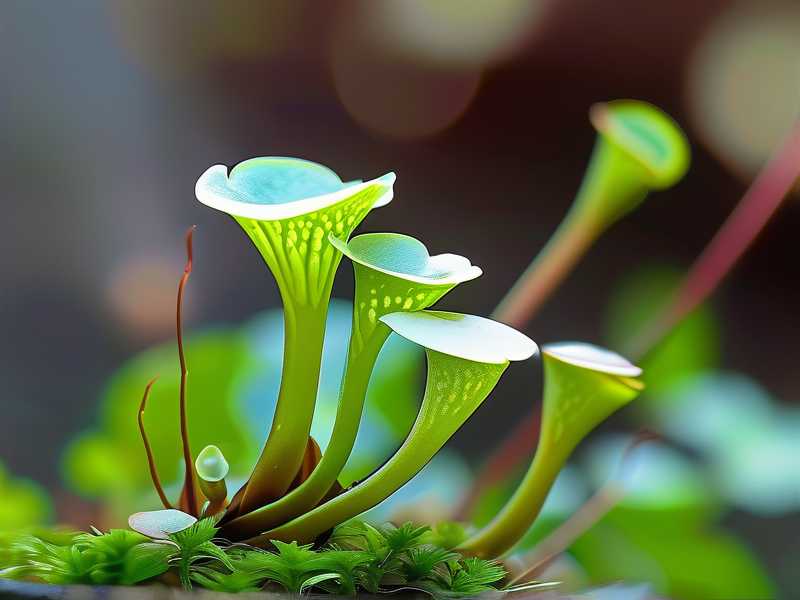
The Royal Horticultural Society (RHS) notes that temperate butterworts require distinct seasonal changes, with cooler winter temperatures triggering dormancy. That's the window when propagation actually works best.
Here's the truth: 90% of indoor plants die from overwatering, but with butterwort propagation in cool temps, it's more like 95% die from a combination of cold + wet = rot.
My Setup for Cool-Temperature Butterwort Propagation
I propagate my temperate butterworts every fall when nighttime temperatures drop to around 50°F. My unheated porch gets this perfectly. Here's my exact setup:
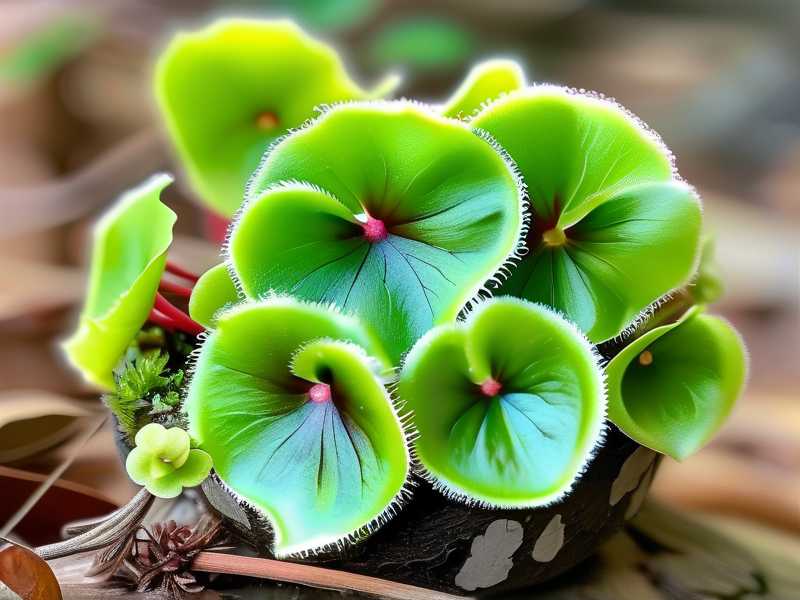
Container: A clear plastic takeout container with a lid. I poke four small holes in the top for air exchange.
Medium: Live sphagnum moss, damp but not wet. I squeeze it until no water drips out.
Light: A basic LED grow light set 12 inches above, running 12 hours daily. No direct sunlight.
Temperature: I keep a cheap digital thermometer inside the container. Target: 55°F (13°C) during the day, dropping to 48°F (9°C) at night.
Step-by-Step: How I Propagate Butterwort in Cool Temperatures
Step 1: Selecting the Right Leaves
I choose mature leaves from the outer edge of the rosette. Not the oldest ones that are already yellowing, not the tiny center leaves. The middle-aged leaves work best.
I gently pull downward, not outward. The leaf should come off with a clean, white base. If it tears, I don't use it. Simple as that.
Step 2: Preparing the Propagation Tray
I fill my container with a 1-inch layer of live sphagnum moss. I mist it lightly with distilled water. Tap water kills butterworts – that's a lesson I learned after killing my first plant.
I lay the leaf pullings flat on the moss, right side up. The white base needs to contact the moss. I don't bury it, I just press it gently.
Step 3: Sealing and Placing
I snap the lid on and move the container to my porch. The temperature there stays consistently between 50–60°F. I check it twice daily with my thermometer.
Step 4: The Waiting Game
For the first week, I do nothing. No opening, no misting, no checking. The humidity inside stays at near 100%, which is exactly what these leaves need.
After 7 days, I see tiny plantlets forming at the leaf bases. They look like green dots. This is where most people mess up.
The 2-Week Observation: What Actually Happens
Day 1-3: Nothing visible. The leaves look exactly as I placed them. I fight the urge to water.
Day 4-5: I notice the mother leaves starting to curl slightly. This is normal. It's not drying out, it's anchoring.
Day 6-7: Small green bumps appear at the leaf base. I'm looking at them with a magnifying glass. They're about 1mm across.
Day 8-10: The plantlets develop tiny roots. I can see them pressing into the sphagnum. I still don't open the container.
Day 11-14: The plantlets have 2-3 tiny leaves each. They're about 5mm across. I finally open the container for 5 minutes to let fresh air in.
3 Deadly Mistakes Beginners Make (I Made All of Them)
Mistake #1: Overwatering
I cannot stress this enough. When I propagated my first butterwort, I misted the leaves daily. Within two weeks, every single leaf turned brown and mushy.
The RHS confirms that butterwort leaves are extremely sensitive to standing water during propagation. The humidity from the sealed container is enough. You absolutely do not need to add water.
The fix: Only dampen the moss before sealing the container. After that, don't touch it for two weeks.
Mistake #2: Wrong Light Placement
I placed my first propagation tray in a south-facing window. The temperatures spiked to 80°F on a sunny afternoon. All the leaves cooked.
Butterwort propagation in cool temperatures requires indirect light. Direct sunlight heats the container like a greenhouse. You'll steam your leaves.
The fix: Use a north-facing window or an LED grow light 12 inches away. Keep the container out of direct sun.
Mistake #3: Using the Wrong Pot
I started with a terra cotta pot. It wicked moisture away from the moss, which then dried out. I kept adding water, which then pooled at the bottom. Root rot followed.
Plastic containers are the only choice for cool-temperature propagation. They maintain stable humidity and temperature.
The fix: Use clear plastic containers with lids. No drainage holes needed. No terra cotta.
What I Learned From Killing My First Three Butterworts
I bought my first temperate butterwort from a nursery in Maine. The owner told me it was "easy." I killed it in six weeks.
My second attempt was a Mexican butterwort hybrid. I kept it indoors at room temperature. It grew well for three months, then suddenly rotted from the center. I had no idea why.
My third plant was a Pinguicula grandiflora. This time I researched. I learned about their dormant period. I killed it anyway by not providing enough light during propagation.
Contact with these plants over several years taught me one thing: cool-temperature propagation is about patience and observation. You cannot rush nature.
Temperature Ranges for Different Butterwort Types
Not all butterworts are the same. Here's what I've learned about different types:
Temperate species (Pinguicula grandiflora, P. vulgaris): These need cool temperatures year-round. Propagation works best at 50-60°F. They go fully dormant in winter.
Warm temperate (Pinguicula primuliflora): These prefer 60-70°F but can handle cooler nights. I propagate them at 60°F.
Mexican species (Pinguicula moranensis): These are different. They prefer 65-80°F. Don't try cool propagation with these.
The American Horticultural Society (AHS) recommends checking your local climate before choosing which butterwort to grow. Cool-temperature propagation only works with temperate species.
When to Move the Plantlets
After two weeks, the plantlets have 3-4 leaves each. I wait another week before moving them.
At three weeks, I transplant each plantlet into its own 2-inch plastic pot. I use a mix of 50% perlite and 50% peat moss. No fertilizer. Butterworts get their nutrients from insects.
I keep them in the same cool location for another month. After that, they're ready for normal care.
My Propagation Calendar
Here's when I propagate in different climates:
USDA Zone 4-5 (Vermont, Maine): September, when nights drop to 50°F
USDA Zone 6-7 (Mid-Atlantic, Pacific Northwest): October is perfect
UK (RHS Zone H4): Late September to early October
Canada (Zone 5-6): Mid-September
Australia (cool temperate zones like Tasmania): March-April
FAQ: Cool-Temperature Butterwort Propagation
Q: Can I propagate butterwort in my refrigerator? I tried this once. The temperature was too consistent at 40°F. The leaves never developed plantlets. Refrigerators are too cold for propagation. They're useful for storing dormant plants but not for active growth.
Q: My leaf pullings turned black after one week. What went wrong? This happened to me with my first attempt. Two possible causes: the leaves were too old (I picked from the outer ring of old leaves) or the temperature dropped below 45°F. Check your thermometer. Also, make sure you're using distilled water, not tap water.
Q: How long before I see flowering from propagated plants? From my experience, propagated temperate butterworts flower in their second year. The first year is all about leaf growth and root development. Don't expect flowers until the plant has a rosette of at least 12 leaves.
Q: Do I need to feed the plantlets during propagation? No. The plantlets get nutrients from the mother leaf. That leaf will eventually die off, which is normal. Wait until the plantlet has 6 leaves before introducing small insects like fruit flies.
Final Thoughts From My Cold Basement
I've been propagating butterworts for four years now. My current setup is a small table in my unheated mudroom. The temperature there hovers around 55°F from October through April. My success rate has gone from 0% to about 80% simply by following the rules I mentioned above.
The biggest shift in my thinking came when I stopped treating cool-temperature propagation like a challenge to overcome and started working with the plant's natural rhythm. Butterworts want to propagate in cool conditions. That's how they survive in the wild. Our job is to recreate those conditions, not fight against them.
If you're in a cold climate and you've failed at butterwort propagation before, try again. Use a clear plastic container. Get live sphagnum moss. Check your temperature twice daily. And for heaven's sake, stop watering.
I've got three containers sitting on my mudroom table right now, filled with leaf pullings from my Pinguicula grandiflora. It's late October, the temperatures are perfect, and I can already see the green dots forming at the leaf bases. In two weeks, I'll have tiny butterwort plantlets ready for their own pots.





