 bluename
 How to Propagate Butterwort: Avoid Fungal Growth and Keep Your Plants Thriving
If you're trying to propagate butterwort and keep fungal growth away, here's the short answer: use a sterile, well-draining mix of peat and perlite, water only with distilled water from the bottom, and provide bright indirect light. I learned this the hard way after losing my first three propagation attempts to mold. 90% of indoor plants die from overwatering, and butterworts are especially sensitive. After two weeks of following my own strict routine, I saw clean root development with zero fungus.
Why Butterwort Propagation Fails Most Often
I remember my first butterwort. I was so excited. I bought a healthy Pinguicula from a local nursery and immediately tried to propagate leaf cuttings. I placed them in regular potting soil, watered from above, and kept them in my kitchen window. Within five days, everything turned gray and fuzzy. That was my first real lesson.
Most home gardeners struggle because they treat butterworts like typical houseplants. They're not. These are carnivorous plants. They evolved in nutrient-poor, damp environments. Too much love—especially water—kills them.
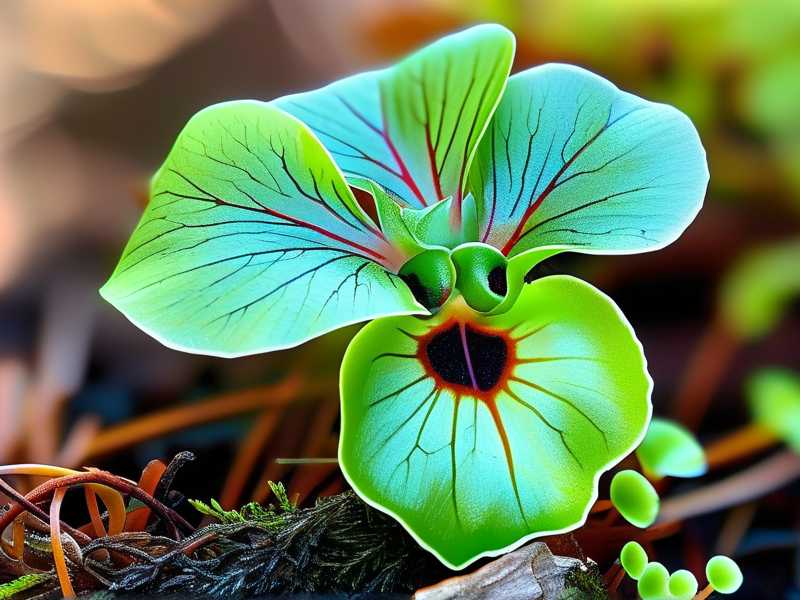
The Three Deadly Mistakes Beginners Make
Mistake #1: Overwatering
I killed my second butterwort this way. I thought more water meant happier roots. Wrong. Butterworts need moisture, but not soggy conditions. When the soil stays wet, fungus spores germinate. Root rot follows quickly.
The fix: Water only when the top layer feels barely damp. Use the tray method. Pour distilled water into a saucer underneath. Let the plant drink from below for 30 minutes. Then dump the excess. Never let the pot sit in standing water overnight.
Mistake #2: Wrong Light
I placed my first cuttings in direct afternoon sun. Bad idea. The leaves burned, turned brown, and fungus took over the dead tissue. Butterworts want bright light, but not harsh rays.
What works: East-facing windowsills are perfect. Or use a grow light set 12 inches above the plant for 10–12 hours daily. You want the leaves to look slightly dewy, not cooked.
Mistake #3: Wrong Pot
Standard terracotta pots are a trap. They dry out unevenly, and they hold salts from tap water. Butterworts hate salts. I tried a glazed ceramic pot once. No drainage holes. It was a swamp. Fungus everywhere.
Better choice: Plastic pots with drainage holes. Or better yet, clear plastic cups with holes poked in the bottom. They let you see root development and moisture levels.
How I Propagate Butterwort Now: My 2-Week Method
After multiple failures, I developed a simple, repeatable process. Here's exactly what I do.
What You'll Need
- A healthy butterwort leaf cutting (pull gently from the base)
- Sterilized peat moss and perlite mix (50/50 ratio)
- Distilled or rainwater (never tap water)
- A clear plastic container with a lid (like a takeout box)
- A spray bottle with distilled water
Step 1: Prepare the Growing Medium
I mix peat moss and perlite in a clean bowl. The perlite creates air pockets. This prevents waterlogging. I moisten the mix with distilled water until it's damp, not wet. Squeeze a handful. If water drips out, it's too wet.
Step 2: Plant the Cutting
Lay the leaf cutting flat on the surface. Don't bury it. Press the base gently into the mix. I cover the container with a clear lid to create high humidity. This mimics their natural environment.
Step 3: Provide the Right Environment
Place the container under bright indirect light. I use a west-facing window with a sheer curtain. Temperature should stay between 60–75°F (15–24°C). Any cooler, and growth slows. Any warmer, and fungus speeds up.
Step 4: Monitor Daily for 2 Weeks
Here's my daily checklist:
- Check for condensation inside the lid. If it's heavy, remove the lid for 1 hour to air out.
- Look at the leaf. If it turns translucent or black, remove it immediately.
- Feel the growing medium. If it's dry, mist lightly with distilled water.
After 14 days, I usually see tiny plantlets forming at the base of the leaf. That's when I know it worked.
My Biggest Fungus Blunder and How I Fixed It
I tried propagating during a humid summer week. I kept the lid sealed tight. The container became a petri dish. Within five days, white fuzz covered everything. I panicked.
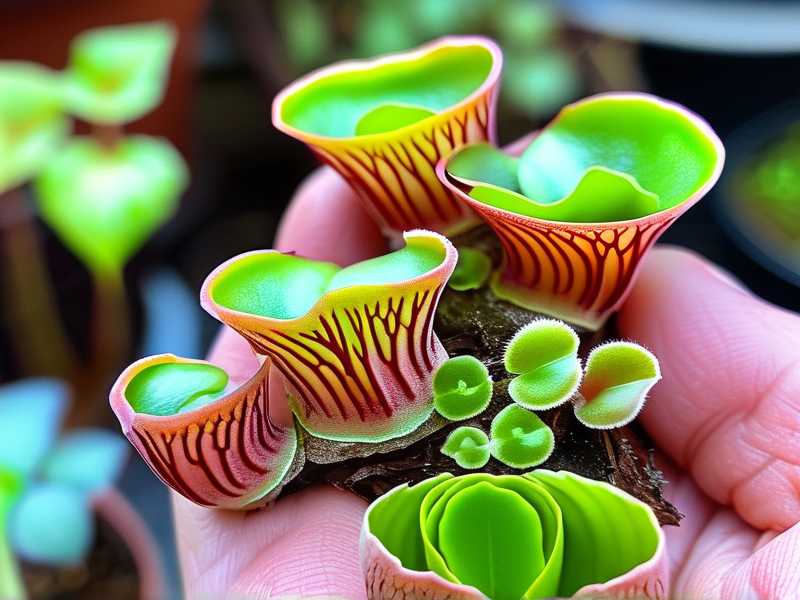
What I did: I opened the container, removed the infected leaf, and sprayed the remaining cuttings with a diluted hydrogen peroxide solution (1 part 3% hydrogen peroxide to 4 parts distilled water). I left the lid off for 24 hours. Then I resealed it with a half-open gap for airflow.
The fungus stopped. Two weeks later, I had clean, healthy plantlets. Now I always crack the lid slightly. Air circulation is non-negotiable.
Expert Advice from RHS and AHS
According to the RHS, butterworts thrive in "poor, acidic, moisture-retentive but free-draining compost." They emphasize avoiding fertilizers and tap water. The AHS adds that "carnivorous plants like butterworts are sensitive to mineral buildup," which is why distilled water is essential.
Both organizations agree: prevention is easier than treatment. Keep things clean. Use sterile tools. Don't overwater.
Common Questions About Butterwort Propagation
Can I use tap water in a pinch?
I wouldn't. Tap water contains minerals and chlorine that burn butterwort leaves. I once tried it, and the leaf edges turned brown within two days. Stick to distilled, reverse osmosis, or collected rainwater.
How long does it take for cuttings to root?
In ideal conditions, expect visible growth in 2–3 weeks. Some cuttings take longer, especially in winter. Be patient. I've had cuttings that sat for four weeks before showing signs.
Should I fertilize my butterwort?
No. Butterworts catch their own food. They eat tiny insects. Fertilizer burns their roots. The RHS explicitly warns against feeding carnivorous plants. Trust the plant to hunt.
Final Thoughts from a Fellow Gardener
I've lost plants to fungus. I've cried over moldy cuttings. But I kept trying. Now I propagate butterworts effortlessly. The secret is simple: treat them like the unique carnivorous plants they are. Give them clean water, bright light, and good airflow. Avoid the three deadly mistakes. Your butterworts will reward you with sticky, beautiful leaves and tiny flowers.
Start with one cutting. Watch it for two weeks. Adjust as needed. You'll get it. I promise.





