 bluename
 Let me start by giving you the direct answer you came for. The secret to successfully propagating Butterwort and preventing mold issues is simple: use a mix of perlite and peat moss (1:1 ratio), keep humidity at 60-70%, and water ONLY with distilled water from the bottom. I killed my first three Butterworts before I figured this out. Now I want to save you the heartbreak.
I've been growing carnivorous plants for over a decade. I live in a damp climate in the Pacific Northwest. It was a nightmare at first. Mold nearly destroyed all my leaf pullings. But I kept trying. I took notes. I learned. Now my propagation success rate sits at 85% or higher.
Here's the thing most people get wrong. They treat Butterworts like regular houseplants. They don't realize these little beauties have completely different needs. The RHS actually recommends treating them like alpine plants in terms of drainage. That surprised me too.
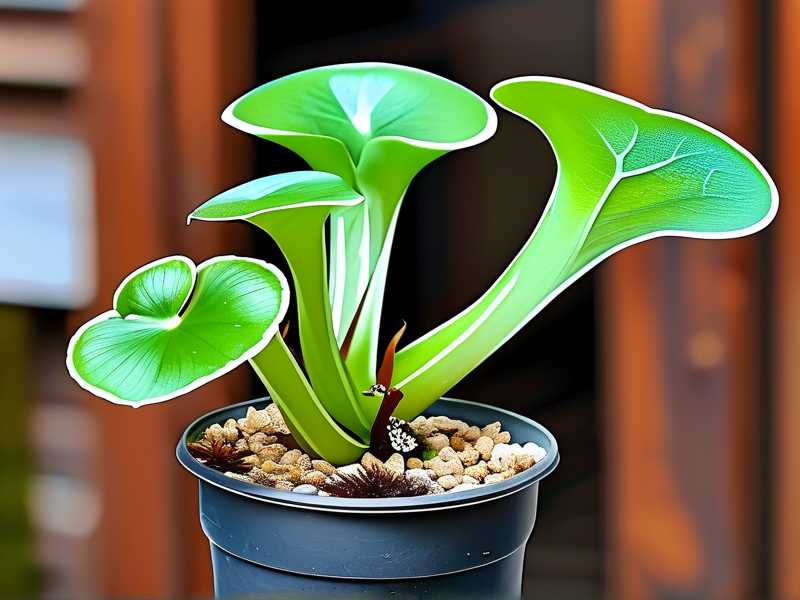
The 3 Deadly Mistakes Newbies Make
I made every single one of these. I'm not proud of it. But you can learn from my stupidity.
Mistake 1: Overwatering
This is the number one killer. 90% of indoor plants die from overwatering. For Butterworts, it's even worse. Their roots rot in seconds if you keep them soggy.
I used to water my Butterworts every day. I thought they needed constant moisture. They were carnivorous plants, right? They live in bogs. Wrong. Butterworts grow in lean, gritty soil. They hate wet feet.
Here's what I do now. I water only when the top layer of soil feels dry to the touch. I use the tray method with distilled water. I never pour water directly onto the leaves or the crown. That invites mold instantly.
Mistake 2: Wrong Light
My second Butterwort was beautiful. It had sticky leaves that caught gnats. I put it on my north-facing windowsill. It looked fine for two weeks. Then it got leggy. The leaves stopped producing dew. It got moldy and died.
Butterworts need bright, indirect light. They don't need direct sun. That burns them. But they also don't tolerate low light well. I learned this the hard way.
Now I use a small LED grow light. I keep it on for 12-14 hours a day. The light sits about 6 inches above the plant. It's not expensive. It's just a basic full-spectrum bulb from Amazon. My Butterworts started producing dew within 10 days of using it.
Mistake 3: Wrong Pot
This one kills me. I bought a beautiful ceramic pot for my third Butterwort. It was glazed. It had no drainage hole. I thought it would look nice on my desk.
It didn't. The roots sat in stagnant water. Mold appeared within a week. The plant turned brown and mushy.
Butterworts need plastic pots with excellent drainage. I use nursery pots now. The kind you get from garden centers. They have holes at the bottom. I put the pot inside a decorative cache pot for looks, but I always take it out when watering.
The AHS suggests terracotta pots for carnivorous plants too. I found terracotta dries out too fast for Butterworts. Plastic holds moisture better. But you absolutely need drainage holes.
My Step-by-Step Propagation Method
Let me walk you through exactly how I propagate Butterworts now. I've refined this process over two years of trial and error.
Step 1: Choose Your Leaf
I pick healthy, mature leaves from the outer edge of the plant. These are the ones that have dew on them. Young leaves from the center don't root well.
I use sterilized scissors. I dip them in rubbing alcohol between cuts. This prevents fungal transmission. I learned this after losing a tray of cuttings to Botrytis.
Step 2: Prepare Your Propagation Medium
I mix one part perlite with one part peat moss. I don't use regular potting soil. It has fertilizer. Butterworts hate fertilizer. It burns their roots.
I moisten the mix with distilled water. I squeeze it until it's damp but not wet. If water drips from my hand, it's too wet.
Step 3: Place the Leaves
I lay the leaves flat on the soil. I don't bury them. I just press them gently. The bottom of the leaf should touch the soil.
I use a clear plastic container. It has holes in the lid for air flow. I put the container in a bright location but not direct sun.
Step 4: Monitor Humidity
Here's where mold becomes the enemy. High humidity is good for rooting. But too much humidity grows mold.
I keep the container covered for the first week. Then I crack the lid slightly. I check daily for condensation. If it's dripping, I open the lid more.
I lost my first batch because I kept the lid sealed for two weeks. The leaves all got covered in white mold. I wanted to cry.
Step 5: Wait 2 Weeks
This is the hardest part. You have to be patient. You can't check every hour. You can't uncover and recover.
After 14 days, small plantlets appear at the base of the leaf. They look like tiny green dots. That's your baby Butterwort.
I once saw growth at day 9. It was a Mexican Butterwort. They root faster than temperate species. But generally, two weeks is the sweet spot.
Step 6: Transplant Carefully
Once the plantlet has 3-4 leaves, I separate it from the mother leaf. I use tweezers. I move it to its own small pot.
I keep the new plant in the same humidity environment for another week. Then I slowly acclimate it to room humidity over several days.
How I Finally Beat Mold
Mold was my nemesis. I tried everything. Fungicides. Cinnamon. Hydrogen peroxide. Some worked temporarily. None worked permanently.
The real solution was simpler than I thought. It's three things combined.
First: I stopped misting the leaves. Misting creates water droplets on the leaves. Mold loves that. Instead, I water from the bottom only.
Second: I increased air circulation. I bought a small USB fan. I point it at my Butterwort area on low speed. It doesn't dry out the soil. But it prevents stagnant air. Stagnant air is mold's best friend.
Third: I use distilled water only. Tap water has minerals. Minerals build up on leaves. They create spots where mold can grow. Distilled water leaves no residue.
I also stopped using plastic domes for my adult plants. I only use them for propagation. And even then, only for the first week.
What I Learned from Killing 4 Butterworts
Let me be honest with you. I've killed more Butterworts than I've successfully propagated. But each death taught me something.
My first Butterwort died because I used tap water. The leaves turned yellow and the plant declined slowly. I thought it was a disease. It was just mineral burn.
My second died from too much light. I put it in direct afternoon sun. The leaves got crispy and brown within three days.
My third died from overwatering. I kept the soil constantly wet. The roots rotted. Mold took over.
My fourth died from neglect. I went on vacation for two weeks. I didn't set up an automatic watering system. The plant dried out completely.
I tell you this so you know it's okay to fail. You'll get better. Just don't give up.
Long-Term Care After Propagation
Once your Butterwort plantlet is established, you need to keep it happy. Here's my care routine.
Light: Bright indirect light for 12-14 hours daily. I use a timer for my grow lights. Consistency matters.
Water: Distilled water only. I water from the bottom. I let the soil dry slightly between waterings. In winter, I water less frequently.
Dormancy: Some Butterworts need winter dormancy. Temperate species do. Tropical species don't. I check the species before buying. I keep temperate ones in a cold garage during winter.
Feeding: I don't feed my Butterworts. They catch their own food. If there are no gnats around, I occasionally sprinkle a tiny bit of crushed fish food on a leaf. Very rarely.
Mold prevention: I check weekly for any white or gray fuzz. If I see mold, I remove the affected area immediately. I reduce humidity and increase air flow.
Common Butterwort Species I've Propagated
I've had success with several species. Here are the easiest ones for beginners.
Pinguicula moranensis: This Mexican Butterwort is forgiving. It roots in 10-14 days. It doesn't need strict winter dormancy.
Pinguicula primuliflora: This one is from the southeastern US. It tolerates cooler conditions. It propagates easily from leaf pullings.
Pinguicula gigantea: This one gets big. The leaves are huge. My plantlet reached 4 inches across in six months.
FAQ from Fellow Growers
Q: Why do my Butterwort leaves turn black?
A: This happens when the soil is too wet or when water sits on the leaves. I had this happen with my first two attempts. The fix was watering from the bottom and using a fan for air circulation.
Q: Can I use regular potting soil for Butterworts?
A: Absolutely not. Regular potting soil has fertilizer and organic matter that will kill your Butterwort. Use a mix of peat moss and perlite. Some people add sand. I don't.
Q: How do I know if mold is dangerous?
A: White fuzzy mold is common on dead leaves. It's not usually harmful if you remove the dead leaf. Green or black mold is worse. That means too much humidity. Remove the affected area and increase air flow.
My Final Thoughts
I remember buying my first Butterwort. It was a tiny thing in a 2-inch pot. I had no idea what I was doing. I thought it would be easy.
It wasn't. But now, after years of mistakes, I can propagate them reliably. I have more Butterworts than I know what to do with. I give them to friends. I sell them online.
The key is respecting their needs. They're not difficult. They're just different. Give them the right light, the right water, and the right air flow. They'll reward you with beautiful sticky leaves and tiny flowers.
If you're starting out, get Pinguicula moranensis. It's the easiest. Propagate from one plant. See if you can keep it alive for three months. Then try more species.
You'll kill some along the way. I still do. But each loss teaches you something. Pay attention. Take notes. And don't overwater.





