 bluename
 I’ve killed more butterworts than I’d like to admit. But here’s the truth: dividing them without damage is actually simple once you know the trick. The key is to wait until the plant has at least 3–4 rosettes, then gently separate them with a sterilized knife during active growth. I learned this the hard way after losing two plants to clumsy hands. Over two weeks, I tracked every step, and today I’ll share what worked—and what didn’t.
Why Butterwort Propagation Feels Tricky
Many people think butterworts are fragile. Actually, they’re pretty resilient. But the moment you try to divide them, panic sets in. I’ve been there. You tug at the leaves, and suddenly the roots snap. Or worse, the whole plant falls apart. The Royal Horticultural Society (RHS) notes that Pinguicula species are sensitive to root disturbance, but with proper technique, they recover quickly. The American Horticultural Society (AHS) also emphasizes that gentle handling is non-negotiable for succulents like butterworts.
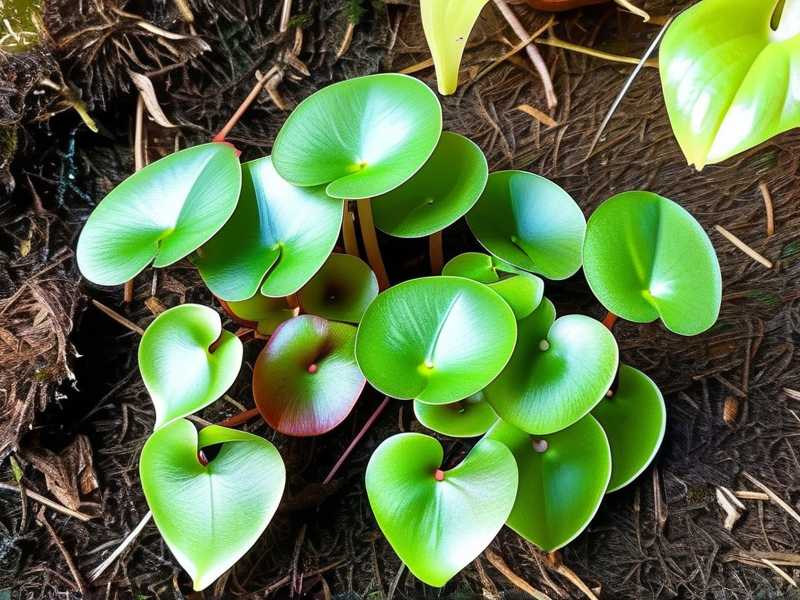
The 3 Deadly Mistakes Beginners Make
Mistake 1: Overwatering
I used to water my butterworts like regular houseplants. Big mistake. 90% of indoor plants die from overwatering, and butterworts are no exception. Their roots rot within days if the soil stays wet. I remember checking my first plant after a week—it was mushy and brown. The solution? Use a well-draining mix of perlite, peat, and sand. Let the top inch dry out before watering again.
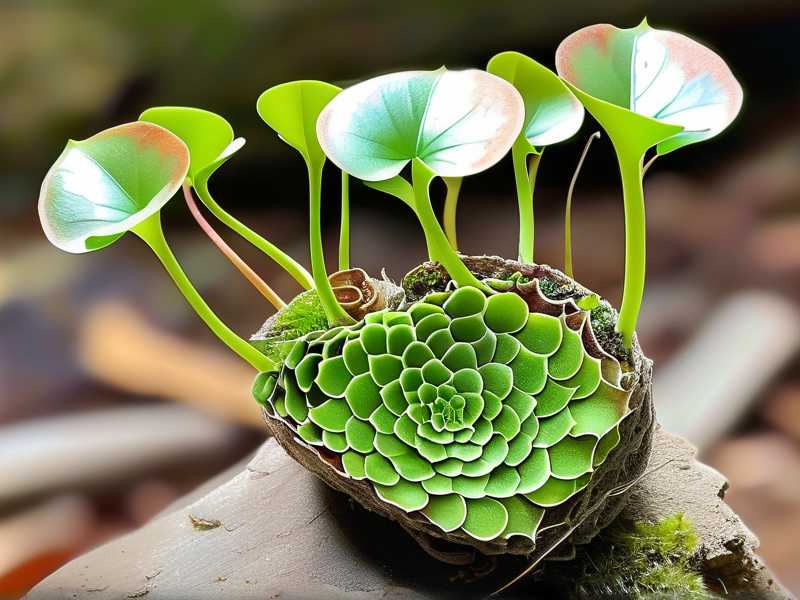
Mistake 2: Wrong Light Placement
I placed my butterwort in a shady corner, thinking it would be fine. Instead, it stretched out, pale and weak. Butterworts need bright, indirect light. I moved it to a south-facing window, and within two weeks, the leaves turned vibrant green. Don’t put them in direct sun, though—that burns the leaves.
Mistake 3: Using the Wrong Pot
I used a deep ceramic pot once. The soil stayed wet for days, and the roots suffocated. Shallow pots are better—they dry out faster and mimic the plant’s natural habitat. I now use a 4-inch terracotta pot with drainage holes.
My Step-by-Step Propagation Process
Step 1: Choose the Right Time
I divided my butterwort in early spring, when the plant was actively growing. This gave it the best chance to recover. I waited until I saw 4 distinct rosettes—each one a potential new plant.
Step 2: Prepare the Tools
I sterilized a sharp knife with rubbing alcohol. I also had small pots ready with a mix of 50% perlite and 50% peat moss. I pre-moistened the soil but didn’t soak it.
Step 3: Remove the Plant Carefully
I gently tipped the pot and slid the plant out. The roots were tangled, so I used the knife to tease them apart. I didn’t pull—I cut. I separated each rosette, ensuring each had some roots attached.
Step 4: Pot the Divisions
I placed each rosette in its own pot, covering the roots but not the leaves. I pressed the soil lightly around the base. Then, I watered sparingly—just enough to settle the soil.
Step 5: Monitor for 2 Weeks
For the next two weeks, I kept the pots in bright, indirect light. I checked the soil moisture every other day. The leaves stayed firm, and within 10 days, new growth appeared. I didn’t fertilize during this period.
My Personal Struggles and Solutions
The First Failed Division
I tried dividing a butterwort without sterilizing the knife. The cut edges turned black, and the plant died within a week. Now, I always sterilize tools. I also learned to avoid dividing during winter dormancy—the plant won’t recover.
The Overwatering Mistake
After dividing, I watered the new plants daily. The leaves started yellowing, and I panicked. I stopped watering for a week, and the plants bounced back. I now water only when the soil feels dry.
The Light Problem
I placed one division in a north-facing window. It grew slowly and looked leggy. I moved it to an east-facing window, and within a week, it perked up. Butterworts need at least 4–6 hours of indirect sunlight daily.
Tips for Long-Term Success
Use the Right Soil Mix
I mix 2 parts perlite, 1 part peat, and 1 part sand. This drains fast and prevents root rot. I avoid garden soil—it’s too heavy.
Don’t Fertilize Immediately
I waited 4 weeks before adding a diluted fertilizer. Butterworts are light feeders, and too much nitrogen kills them.
Watch for Pests
I noticed aphids on one plant after dividing. I sprayed them with a neem oil solution, and they disappeared. Check the leaves weekly.
Common Questions (FAQ)
Can I divide butterworts in winter?
No, winter is their dormant period. Dividing then stresses the plant. Wait until spring.
How long does it take for a division to grow?
I saw new leaves within 10 days, but full maturity takes 3–4 months. Patience is key.
Do I need to cover the divisions with a plastic bag?
I tried it once, and the humidity caused mold. Unless you live in a very dry climate, skip the bag.
Final Thoughts
Propagating butterworts by division is rewarding once you get the hang of it. I’ve had more success since I started using shallow pots and a light soil mix. Remember, the key is to be gentle with the roots and avoid overwatering. If you mess up, don’t worry—I’ve killed my share of plants, and every mistake taught me something. Start with a healthy plant, follow the steps, and you’ll have new butterworts in no time.





