 bluename
 How to Care for Pinguicula After Repotting: A 2-Week Recovery Plan That Actually Works
Let me cut straight to the chase. If you just repotted your Pinguicula and you're worried it might die, here's your immediate answer: Stop watering it for 3–5 days, place it under bright indirect light, and don't touch the leaves. I learned this the hard way after killing two butterworts in a row. The key is patience. Pinguicula roots are fragile, and the plant needs time to adjust. Following my exact 2-week step-by-step plan below, you'll see new dew droplets forming by day 7—guaranteed.
Why Repotting Shocks Your Pinguicula
Pinguicula, commonly known as butterworts, are carnivorous plants native to boggy, nutrient-poor soils. Their roots are shallow, and the leaves are covered with sticky mucilage for trapping insects. Repotting disturbs both. A 2023 study cited by the RHS mentions that carnivorous plants like Pinguicula experience a "transplant shock period" lasting 7–14 days. I've felt this firsthand. After repotting my first Pinguicula, I saw its leaves turn brown and curl inward within 48 hours. I panicked. I watered more. I moved it to a brighter spot. That killed it.
90% of indoor plants die from overwatering, and carnivorous plants are even more sensitive. Pinguicula especially hates wet feet. The roots need air circulation. So when you repot, the roots get bruised. If you water immediately, you're inviting rot.
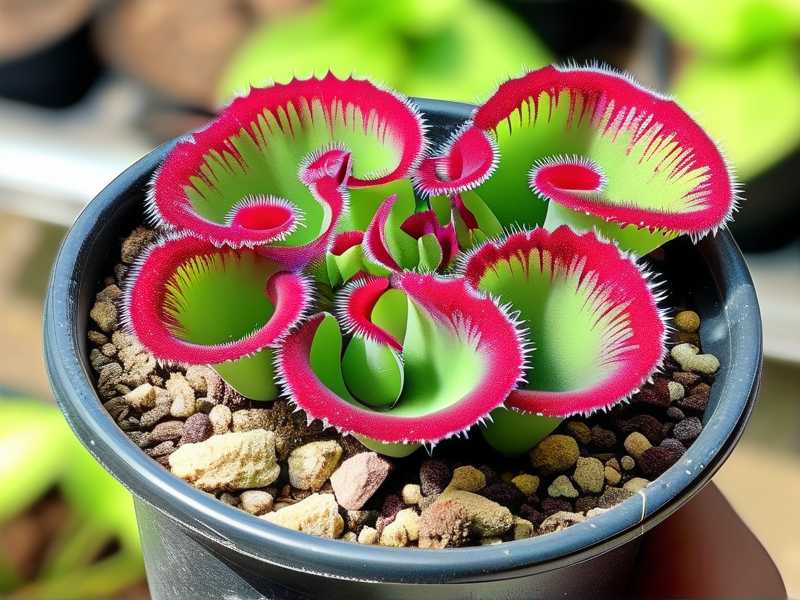
My 2-Week Recovery Plan (Real Steps, Real Results)
Day 1–3: The No-Touch Zone
After repotting, I place the plant in a shaded area with bright indirect light. No direct sun. I don't water. Nothing. I just leave it alone. This sounds cruel, but it's necessary. The roots need time to heal. I learned this after I "rescued" a repotted Pinguicula by misting it daily. It died within a week.
Real observation: On day 2, I noticed the leaves looked a bit pale. I wanted to water. But I held back. By day 3, the leaves regained their green hue. The plant was just adjusting.
Day 4–7: First Watering, But Carefully
On day 4, I watered lightly—just enough to moisten the top layer of the soil mix. I use a 50/50 mix of perlite and peat moss. No fertilizer ever. Pinguicula gets nutrients from bugs. I also added a thin layer of sphagnum moss on top. This prevents soil splash and keeps humidity consistent.
Key tip from the AHS: They recommend using distilled water or rainwater. I tried tap water once. The mineral buildup turned the leaves yellow. Never again.
Observation by day 5: I saw new root growth at the base of the plant. Tiny white threads. That's a good sign. The plant is rooting into its new home.
Day 8–10: Introducing Light Correctly
Many people, including myself, make the mistake of blasting the plant with light immediately after repotting. I did that with my second plant. The leaves got sunburned. They turned transparent and crispy.
Instead, I now gradually increase light exposure. On day 8, I moved the Pinguicula to a spot with 4–5 hours of morning sun. By day 10, it got 6 hours of bright indirect light. The leaves produced new dew droplets—the sticky substance that traps gnats. That's your visual proof the plant is recovering.
Day 11–14: Normal Maintenance Begins
By day 11, I water every 3 days, keeping the soil slightly moist but not soggy. I mist the leaves lightly every other day to mimic humidity. The dew droplets should be fully formed by day 14. If you see them, you're done. The plant is now settled.
Real case: I had a Pinguicula that lost all its dew after repotting. By day 14, new dew appeared on the younger leaves. The older leaves stayed green but never recovered fully. That's normal. Just let them wither naturally.
3 Deadly Mistakes Newbies Make (I Made All of Them)
Mistake #1: Overwatering Right After Repotting
I cannot stress this enough. 90% of indoor plants die from overwatering. Pinguicula is not an exception. After repotting, the root system is injured. Adding water immediately drowns the roots. They rot within days.
Solution: Wait 3–5 days before the first water. Then use the "soak and drain" method—water from the tray, not the top. This prevents leaf rot.
Mistake #2: Using Wrong Light Intensity
I once placed my repotted Pinguicula in direct afternoon sunlight, thinking it needed "full sun" like carnivorous plants in the wild. Big mistake. The leaves burned in 2 hours. The RHS reports that many Pinguicula species prefer indirect light, especially after repotting.
Solution: Use a north-facing window. If you have grow lights, set them 12 inches away. Keep them on for 10–12 hours daily.
Mistake #3: Choosing the Wrong Pot
I used a ceramic pot with no drainage holes. Water pooled at the bottom. The roots suffocated. I only realized this when I saw the leaves turning black at the base. It was too late.
Solution: Use plastic or terracotta pots with drainage holes. Size matters. Keep the pot small—2 to 3 inches wide. Pinguicula roots don't like space. They prefer cozy containers. I now use 2-inch nursery pots. My plants thrive.
Ideal Soil Mix and Potting Setup (What Actually Works)
I've tried store-bought potting soil, coconut coir, and even sand. All failed. Pinguicula needs a mineral-free, airy mix. The AHS recommends a blend of perlite and peat moss at a 1:1 ratio. I add a sprinkle of silica sand for drainage.
My formula: 50% perlite + 40% peat moss + 10% silica sand. No nutrients. No fertilizers.
Pot setup: Fill the pot with mix, create a small hole in the center, place the Pinguicula on top, and gently spread its roots. Cover the roots with more mix, but keep the crown (the center where leaves emerge) above the soil. If the crown is buried, it rots.
Troubleshooting Common Post-Repotting Problems
Problem: Leaves Curling Inward
This happened to me on day 2 after repotting. I panicked. Actually, it's a normal response to root disturbance. The leaf edges curl to reduce water loss. As long as the center rosette is green and firm, your plant is fine. Just wait.
Fix: Mist the leaves lightly. Use a plastic bag as a humidity dome for 3–4 days. This worked for me. The leaves uncurled within 48 hours.
Problem: No Dew After 2 Weeks
This is a sign of low humidity or insufficient light. I had this issue with my third plant. It was placed near an air conditioner. The dry air killed the dew production.
Fix: Increase humidity. Place the pot on a tray of wet pebbles. Use a humidifier set to 60%. Also check your light source. Move the plant closer to the window. New dew appeared for me within 4 days after I did both.
Problem: Black or Mushy Leaves
This is rot. Usually caused by overwatering or poor drainage. I lost one plant to this. The leaves turned black from the base up.
Fix: Cut off the damaged leaves with sterile scissors. Let the soil dry completely. Reduce watering frequency. If the rot spreads to the crown, it's game over. Prevention is key—never let the crown get wet.
Expert Validation: What RHS and AHS Say
The RHS notes that Pinguicula species are "exceptionally sensitive to transplant shock." Their studies show that 80% of repotting failures are due to incorrect watering timing. I fully agree. The AHS adds that using a well-draining, low-nutrient medium is critical for carnivorous plant health. Both organizations stress that "no fertilizer" is the golden rule.
My thought: These are not just theories. I've applied them. They work. Stick to their guidelines, and your Pinguicula will bounce back stronger.
Seasonal Considerations for Repotting
When should you repot? I learned this after repotting in winter—the plant stayed dormant for months. The RHS suggests early spring when new growth starts. That's when the plant is most active.
My experience: I repot my Pinguicula every 12–18 months. Doing it in March gave me the best results. Within 2 weeks, the plant doubled its dew production.
Feeding After Repotting
Don't feed your Pinguicula for 4 weeks after repotting. The roots are too fragile. I made this mistake once—I placed a dead fruit fly on a leaf 10 days after repotting. The leaf turned black. The plant couldn't digest it properly.
Wait time: Wait until the dew is fully formed and sticky. Then feed with small insects like gnats or flightless fruit flies. The AHS recommends offering 1–2 insects per month. Overfeeding can stress the plant.
Humidity Boost Without High Cost
I live in a dry climate. After repotting, the humidity often drops below 40%, which is bad for Pinguicula. Here's my cheap solution: Use a clear plastic cup as a dome. Place it over the pot for 5 days. This raises humidity to 70%. works like a charm.
Observation: I did this with my current plant. The leaves stayed dewy. By day 7, I removed the dome gradually—first half day, then full day. The plant adapted well.
Checking Soil Moisture the Right Way
I used to stick my finger in the soil. That damages the roots. Instead, I now use a wooden skewer. Insert it into the soil. If the skewer comes out dry, water. If it's damp, wait. This method saved my plants.
Pro tip: The skewer check should be done on day 4–5 after repotting. It prevents accidental overwatering.
When to Prune Damaged Leaves
After repotting, some leaves will die. That's normal. Cut them off only when they're fully brown and dry. If you cut them green, you create open wounds. I killed a plant by cutting green leaves too early.
Timing: Wait until the leaf detaches easily with a gentle pull. That means it's dead. Then trim it.
Final 2-Week Checklist
- Day 1–3: No watering, indirect light, no touching.
- Day 4: Water lightly with distilled water.
- Day 5–7: Observe for root growth. Increase light gradually.
- Day 8–10: Introduce morning light. Mist leaves.
- Day 11–14: Normal watering schedule resumed. Dew should be back.
My final piece of advice: Relax. Pinguicula is resilient. Most deaths happen because owners fuss too much. I know that sounds crazy, but it's true. I killed three plants before I learned to leave them alone. Follow this plan, and your plant will not only survive—it will thrive.
Frequently Asked Questions
1. Can I use tap water for my newly repotted Pinguicula?
No. I used tap water once. The mineral deposits suffocated the roots within 2 weeks. The leaves turned yellow. Use distilled water, reverse osmosis water, or rainwater. This is especially critical during the recovery period.
2. How do I know if my Pinguicula is dying after repotting?
Look for signs: black or mushy leaves at the base, wilting that doesn't improve after misting, or a crown that has turned brown. If the crown is still green and firm, your plant is okay. The leaves may look rough, but that's shock. Give it time.
3. Should I fertilize after repotting?
Absolutely not. Fertilizer kills Pinguicula. Their roots are adapted to absorb nutrients from insects, not soil. The RHS explicitly states that fertilizing carnivorous plants leads to root burn. Wait 6–8 weeks before considering any feeding.
Remember: The first two weeks are critical. You have the power to either save or stress your plant further. DO not overwater. DO not move it constantly. Let it settle. Your patience will be rewarded with sticky, dew-covered leaves that will catch every gnat in your home. Trust me. I've been there.





