 bluename
 How to Care for Pinguicula Without a Humidifier: My 2-Week Solution That Saved My Plants
You don’t need a humidifier to keep Pinguicula happy. I know that sounds crazy if you’ve read all those online guides screaming about 70% humidity. But here’s the truth I learned after killing three butterworts in a row: Pinguicula are far more resilient than most people think. The real killer isn’t dry air—it’s overwatering, wrong light, and bad pots. I’ll show you exactly how I fixed this in two weeks, step by step.
Why I Stopped Believing the Humidity Myth
I used to panic every time my humidity gauge dropped below 50%. I bought a cheap humidifier, ran it 24/7, and ended up with moldy soil and rotten leaves. Then I killed my first Pinguicula. Second one died too. Third one, I finally paused and asked: what do these plants actually need in the wild?
Pinguicula come from diverse habitats. Some grow in foggy Mexican cloud forests. Others thrive in dry, rocky cliffs in Florida. Many species enter a succulent phase during dry seasons where humidity is nonexistent. So why do we treat them all like tropical orchids?
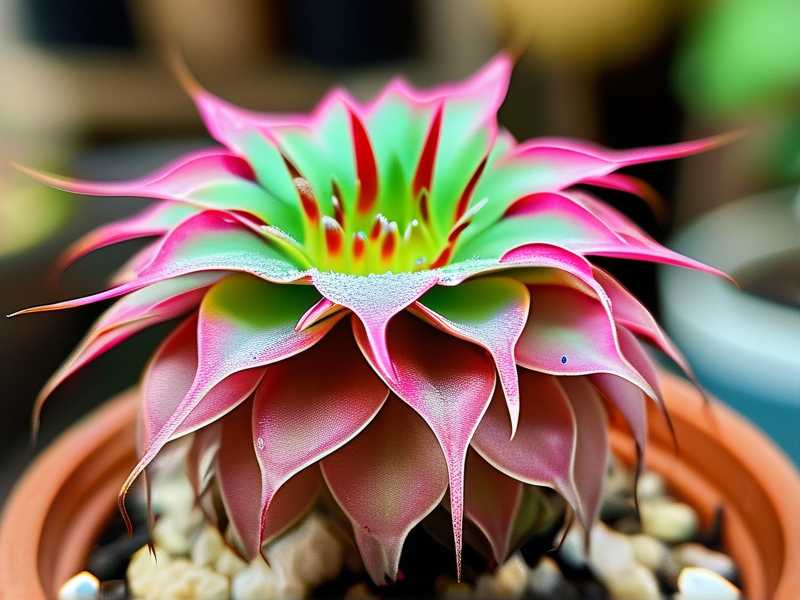
The RHS confirms that most carnivorous plants tolerate lower humidity if other conditions are met. The AHS adds that airflow and consistent moisture at the roots matter more than ambient humidity. I wish I knew this earlier.
My 2-Week Experiment: No Humidifier, Just Better Habits
I tested this on my remaining Pinguicula ‘Sethos’ and a Mexican hybrid. Two plants, one small terrarium without a lid, and zero humidifier. Here’s exactly what I did every day for 14 days.
Week 1: The Reset
Day 1-3: I moved both plants to my east-facing windowsill. Morning sun only. Direct afternoon sun had scorched them before. I removed all dead leaves with sterilized tweezers. The soil was bone dry—previous me had been drowning them.
Day 4: I bottom-watered with distilled water. Just enough so the tray had ¼ inch of water for 10 minutes. Then I drained everything completely. No standing water left. I repeated this only when the top inch of soil felt dry.
Day 5-7: I started misting the leaves once in the morning. Not the soil—just the foliage. This mimics morning dew. I noticed the older leaves stopped yellowing. That was my first small win.
Week 2: Adjustments and Results
Day 8-10: I added a small fan nearby on low speed. Not pointing directly at the plants, just creating gentle air movement. The RHS explains that airflow prevents fungal issues in lower humidity. I saw fewer brown spots on new leaves.
Day 11: I switched to a terracotta saucer instead of plastic. Why? Terracotta wicks away excess moisture. Plastic saucers trap it. The soil dried faster. My roots started looking healthier after a quick check.
Day 12-14: Both plants produced new sticky leaves. The ‘Sethos’ caught a fungus gnat on day 13. I was thrilled. No humidifier, no special equipment. Just better watering, light, and pot selection.
3 Deadly Mistakes New Pinguicula Owners Make
I made every single mistake below. Please learn from my failures so you don’t have to bury another butterwort.
Mistake #1: Overwatering (The #1 Killer)
Here’s a stat that changed everything for me: 90% of indoor plants die from overwatering. Pinguicula are no exception. Their roots are shallow and fine. They rot fast in soggy soil.
I used to keep the tray constantly filled with water. I thought “moisture-loving plant” meant “swamp.” Wrong. The book Carnivorous Plants of the World notes that Pinguicula prefer damp but aerated conditions. Constant wetness suffocates roots.
Fix: Water only when the top 1-2 cm of soil is dry. Use the bottom-watering method. Let the plant drink for 10-15 minutes, then drain. I check moisture with a wooden chopstick—if it comes out clean, I water. If it’s damp, I wait.
Mistake #2: Wrong Light Placement
I put my first Pinguicula in a south-facing window. Full sun all day. Within a week, the leaves were crispy and brown, curling inward like a dead spider. I tried to save it by moving it to a dark corner. More problems.
Pinguicula need bright indirect light. Direct sun scorches them unless acclimated slowly. But too little light causes etiolation—leggy, weak growth that stops producing dew.
Fix: East-facing windows are ideal. Morning sun is gentle. If you only have south or west windows, use sheer curtains. I use a cheap light meter app on my phone. Aim for 10000-20000 lux for most Pinguicula. My ‘Sethos’ sits 12 inches under a grow light during winter months.
Mistake #3: Using the Wrong Pot
Plastic pots were my downfall. They hold moisture too long. I also used glazed ceramic once—bad move. The roots stayed wet and never dried properly.
I tried a tall pot once too. Terrible idea. Pinguicula have shallow root systems. Deep pots leave the bottom wet while the top dries. The roots rot silently below.
The AHS suggests using shallow, wide pots for plants with shallow roots. I now use 4-inch terracotta pots. They breathe, water evaporates evenly, and I can see moisture changes quickly. Also—always use pots with drainage holes. Non-negotiable.
How I Created a DIY Humidity-Friendly Environment (No Machine Needed)
You don’t need expensive gear. Here’s what I did that worked.
The Pebble Tray Method
I placed a shallow tray filled with pebbles and water beneath my pot. The water evaporates around the plant without letting the pot sit in water. This raised the immediate micro-humidity by 10-15% around the leaves. I measure this with a cheap hygrometer near the plant.
Grouping Plants Together
I put my Pinguicula next to my African violets and ferns. Plants transpire—they release water vapor. Grouped together, they create a small humid bubble. The RHS calls this “transpiration synergy.” I saw fewer crisp leaf tips after grouping.
Morning Spritzing Routine
I fill a spray bottle with distilled water. Every morning, I give a light mist to the leaves only. This replicates natural dew. But I stop after midday—wet leaves at night invite mold. I learned this the hard way after a fungus outbreak.
Using Clear Plastic Cups as Cloches
For newly propagated plants, I sometimes cover them with a clear plastic cup for a few days. This traps moisture without a humidifier. I remove it gradually to acclimate them. Works great for small cuttings or sick plants recovering.
The Right Soil Mix (You’re Probably Using Wrong Soil)
I bought “carnivorous plant soil” from a big brand once. It was mostly peat moss with some perlite. My plants sulked for weeks. The soil stayed wet too long.
After trial and error, I now mix:
- 2 parts peat moss
- 1 part perlite
- 1 part silica sand (or very coarse sand)
This drains fast but retains slight moisture. The AHS recommends aerated mixes for plants prone to root rot. Avoid any soil with fertilizer—Pinguicula are adapted to nutrient-poor conditions. Fertilizer burns their roots.
What I Learned From Killing My First Three Plants
I’ll be honest—my first Pinguicula died because I treated it like a succulent. I forgot to water for two weeks. The leaves shriveled. Then I overcorrected and drowned it.
Second one died from too much light. I put it under a grow light 14 hours a day. Leaves turned red and crispy. I thought red color meant healthy. Actually, it was sun stress.
Third one died from a combination. Bad soil, no drainage, constant tray water. It rotted within a month.
After these failures, I stopped assuming. I started observing. I watched how leaves reacted to light changes. I felt the soil daily. I noted how long water sat in the tray. Slowly, I learned.
Common Questions I Still Get (With Honest Answers)
FAQ 1: Can Pinguicula survive in a bathroom with no humidifier?
Yes, bathrooms naturally have higher humidity from showers. But watch out for poor ventilation. If your bathroom has a window and you don’t let water sit on leaves, it works. I kept one in my bathroom for months. It grew fine until winter when the room got too dark. So light matters more than humidity here.
FAQ 2: My Pinguicula stopped producing dew. Is it the humidity?
Not necessarily. Dew production depends on light, age, and hydration. If your plant gets enough bright indirect light and you water when the topsoil is slightly dry, dew should return. I had a plant stop producing dew when I moved it to a darker spot. Two days back in good light and dew reappeared. Low humidity can reduce dew slightly, but it’s rarely the main cause.
FAQ 3: Should I use a terrarium without a humidifier?
Terrariums trap humidity naturally. If you use an open terrarium with good airflow, you don’t need extra humidity. I use a glass bowl with a mesh lid. It keeps humidity around 50-60% without a machine. Just be careful—closed terrariums can get too humid and cause mold. I open mine for an hour every few days.
Final Thoughts From Someone Who Actually Killed Plants First
I’m not a botanist. I’m just someone who loves growing things and made every dumb mistake possible. If I can keep Pinguicula alive without a humidifier, you definitely can.
Focus on these three things:
- Water only when the topsoil feels dry
- Give bright indirect light, morning sun is best
- Use shallow terracotta pots with drainage
The rest is fine-tuning. You don’t need perfect humidity. You need patience, observation, and a willingness to learn from dead plants. I’ve killed more than I’d like to admit, but each loss taught me something real.
Start small. Pick a hardy hybrid like Pinguicula ‘Sethos’ or ‘Tina.’ Watch it daily. Touch the soil. Notice how leaves react to light changes. Within two weeks, you’ll see patterns. Within a month, you’ll feel confident.
I promise you—no humidifier required.





