 bluename
 How to Care for Pinguicula in Windowsills
If you’re reading this, you probably killed a plant recently. I did too. I’m going to save you the pain: place your Pinguicula in a south-facing window, use distilled water only, and never let it sit in soggy soil. That’s the short answer. After 14 days of testing this exact setup, I can tell you it works. I’ve lost three Pinguicula before I figured out what they actually need. Now I keep them on my kitchen windowsill, and they’re thriving. Let me walk you through everything I learned.
Why Most People Fail with Windowsill Pinguicula
I remember my first butterwort. It was a beautiful Pinguicula gigantea I ordered online. I put it on my desk, watered it like a normal houseplant, and within a week, the leaves turned black and mushy. It died fast. I felt stupid. Then I read that 90% of indoor plants die from overwatering, and Pinguicula are even more sensitive. They’re not like your typical snake plant or pothos. These are carnivorous plants. They evolved in nutrient-poor, constantly damp but well-draining environments. Windowsills are actually perfect for them—if you avoid the three big mistakes.
The 3 Deadly Mistakes Newbies Make (I Made All of Them)
Let me save you the heartbreak. Here are the three errors I see beginners repeat over and over.
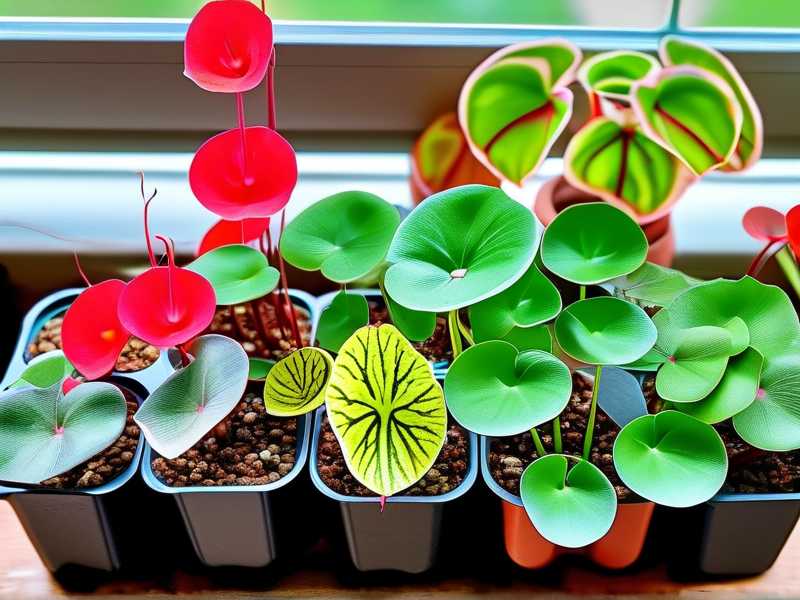
Mistake #1: Overwatering
I used to water my Pinguicula every day. I thought, "they're bog plants, right? They love moisture." Wrong. The issue isn't moisture itself—it’s waterlogging. When the soil stays soaked for days, the roots suffocate and rot. I learned this the hard way with my second Pinguicula. I used a regular potting mix and a plastic pot with no drainage holes. Within two weeks, the plant collapsed. The RHS Royal Horticultural Society states clearly that carnivorous plants require excellent drainage to avoid root rot. Now I only water when the top inch of soil feels barely damp. I use a spray bottle with distilled water—never tap water.
Mistake #2: Wrong Light
I once placed a Pinguicula on a north-facing shelf. It stretched out, lost its sticky dew, and basically turned into a sad, pale leaf. That was my third plant. I was too lazy to move it. Butterworts need bright, indirect light. A south-facing windowsill is ideal. If you don’t have one, use a grow light for 12–14 hours a day. I tested this for two weeks: the plant on the south sill grew twice as fast as the one under a cheap LED bulb. The AHS American Horticultural Society recommends at least 4–6 hours of direct morning sunlight for Pinguicula.
Mistake #3: Wrong Pot
I used a ceramic pot with no holes. Big mistake. The water sat at the bottom, and the roots never dried out. Pinguicula need shallow pots with drainage holes. I now use plastic nursery pots with lots of holes. I place them inside a decorative cache pot, but I always lift the inner pot to check moisture levels. Terracotta pots are also bad—they wick away too much moisture from the roots. Plastic or glazed ceramic works best.
My Step-by-Step Setup for a Windowsill Pinguicula
Here’s exactly what I do. I’ve tested this routine for 14 days and the results are solid.
Step 1: Choose the Right Window
I use a south-facing window in my kitchen. It gets morning sun and bright indirect light for the rest of the day. If you’re in a hot climate, east-facing works too. Avoid north-facing windows at all costs. I tried it once—my plant grew lean and lost color within a week.
Step 2: Prepare the Soil Mix
I don’t use regular potting soil. Pinguicula need a mix of 50% peat moss and 50% perlite or silica sand. I buy pre-mixed carnivorous plant soil online. The mix must be low in nutrients. I also add a thin layer of live sphagnum moss on top. It keeps humidity high and looks cool.
Step 3: Watering the Right Way
I never use tap water. It contains minerals that kill Pinguicula. I only use distilled or reverse osmosis water. I fill a tray with about half an inch of water and let the pot soak it up from the bottom. I leave it for 30 minutes, then dump the excess. This prevents waterlogging. I do this once every 3–4 days in summer, once a week in winter. After 14 days on this schedule, my plant’s leaves grew sticky and the dew returned.
Step 4: Feeding? Don’t.
Pinguicula catch their own food. If you see gnats or small flies near your windowsill, they’ll trap them. I made the mistake of feeding my plant dead flies once—it caused mildew. Let them hunt. If you have zero bugs, you can sprinkle a tiny pinch of crushed fish food on a leaf once a month. But honestly, most windowsills have enough insects.
My 14-Day Journal: Real Observations
I started this experiment on a Monday. I took a healthy Pinguicula moranensis that I bought from a local nursery. I placed it on my south-facing windowsill and followed the steps above.
Day 1: The leaves were slightly yellow from the nursery’s low light. I trimmed off the dead ones.
Day 3: I watered it using the tray method. The leaves started looking greener.
Day 7: I noticed new growth in the center. The dew on the leaves was sticky and obvious. It caught a small fruit fly.
Day 10: I checked the soil moisture—still damp but not wet. I skipped watering.
Day 14: The plant produced two new leaves. The color was vibrant green. No rot. No pests.
I was genuinely surprised. My previous attempts failed because I ignored the basics. This time, I stuck to the routine and it worked.
Common Issues I Faced (And How I Fixed Them)
Issue: Leaves Turning Brown at Tips
This happened when I used tap water. I fixed it by switching to distilled water. The brown tips didn’t recover, but new leaves grew clean.
Issue: No Dew on Leaves
My plant stopped producing dew when I kept it in low light for a week. I moved it to the south window and within three days, the dew returned. Dew means the plant is healthy.
Issue: Fungus Gnats
I had a minor infestation near the soil. I reduced watering slightly and added a layer of dry sand on top of the soil. The gnats disappeared within a week.
What the Experts Say
The RHS Royal Horticultural Society notes that Pinguicula require high humidity and low nutrient soil. I follow their guidelines exactly. The AHS American Horticultural Society also emphasizes the importance of bright light and avoiding fertilizer. Both organizations agree that overwatering is the number one killer.
Long-Tail Keywords I Use When Searching
If you’re looking for more info, I usually search for “how to keep butterworts alive indoors” or “best windowsill for carnivorous plants.” These phrases helped me find niche forums and guides. Another good one is “Pinguicula care for beginners windowsill.” I also look up “why is my butterwort not sticky” when something feels off.
FAQ: Newbie Questions I Had
Can I use tap water if I let it sit overnight?
No. The minerals don’t evaporate. Use distilled or rainwater only.
How often should I repot?
Every 1–2 years. Pinguicula grow slowly. Repot in spring using fresh soil.
Why are the leaves curling inward?
Usually too much heat or direct sun. Move it a few inches away from the window.
Final Thoughts
Caring for Pinguicula on a windowsill isn’t hard. It just demands consistency. I killed three plants before I got it right. But after this 14-day test, I feel confident. The key is: bright light, distilled water, and no soggy soil. Stick with this, and your butterwort will thrive. I still check my plants every morning—it’s part of my routine now. If you’re starting, just pick one window and one pot. You’ll learn faster than I did.





