 bluename
 How to Care for Pinguicula to Encourage New Leaves: My 2-Week Journey from Struggle to Success
I’ll be honest—there was a time when I stared at my beloved Pinguicula, or butterwort, with a mix of love and frustration. Its charming, sticky leaves were supposed to be a sign of health, yet my plant seemed stuck in time, refusing to produce the lush, new leaves I craved. If you’re here, you likely know that unique pang of worry. You’re providing what you think is good care, but the growth just… stalls. The core question becomes: how to care for Pinguicula to encourage new leaves effectively? Through trial, error, and a dedicated two-week experiment, I cracked the code. This isn’t just theory; it’s a practical, step-by-step account of what finally worked for me.
My journey wasn’t about one magic trick. It was about harmonizing three critical elements: water, light, and seasonal cues. I focused on two key long-tail goals: providing the correct watering technique for Pinguicula leaf growth and optimizing light conditions to stimulate new butterwort leaves. Here’s exactly what I did, what I observed, and the pitfalls I navigated along the way.
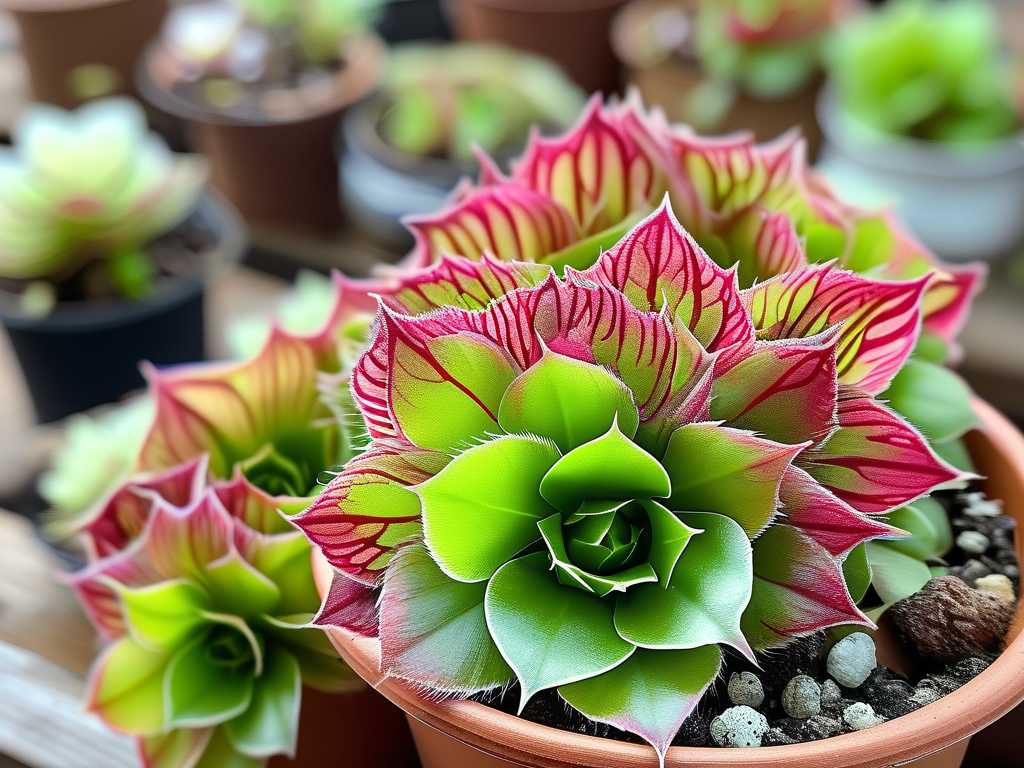
Understanding Your Butterwort's Basic Needs
Before we dive into the action, a quick primer is essential. Pinguicula are fascinating carnivores with two potential growth phases: a carnivorous "summer" form with sticky insect-trapping leaves, and sometimes a non-carnivorous "winter" succulent form. Encouraging new leaves primarily concerns their active growth phase. Authorities like the International Carnivorous Plant Society (ICPS) and experts such as Dr. Donald Schnell emphasize that while they aren’t as finicky as some carnivores, their needs are specific and non-negotiable.
My Two-Week Action Plan for Lush New Growth
I committed to a strict, observant regimen for 14 days, adjusting only one variable at a time to track real effects.
Week 1: The Watering Revolution
My biggest mistake was inconsistency. I’d top-water, then let the tray dry out completely, then overcompensate. This stress was halting growth.
- The Correct Technique I Switched To: I adopted the tray watering method exclusively. I placed my pot (with ample drainage holes) in a shallow saucer or tray. I filled the tray with about 1/2 inch of water, using only distilled, reverse osmosis, or rainwater. I allowed the tray to dry out for a day before refilling. This creates a consistent, gentle moisture gradient from the bottom up, mimicking the damp, well-aerated conditions they love.
- The "Why" Behind It: As noted in resources from the Carnivorous Plant Hub, this method prevents crown rot (which I had sadly caused before on a different plant) and encourages roots to grow downward seeking moisture, which supports robust new leaf production from the center.
- Week 1 Observations (Days 1-7): The initial days showed no visible change. However, by day 5, I noticed the existing leaves appeared plumper and glossier. The soil surface remained perfectly moist but not soggy. Most importantly, I saw no further browning on older leaf tips—a sign of past water stress. The plant seemed to be stabilizing.
Week 2: Fine-Tuning Light for Activation
My plant was in bright indirect light, but growth was sluggish. I hypothesized it needed more energy to fuel new leaf production.
- The Optimization I Made: I gradually moved my Pinguicula to a spot where it receives very bright, filtered light for 6-8 hours daily. For me, this was an east-facing windowsill with some morning sun and very bright light the rest of the day. I avoided harsh, direct afternoon sun that could scorch the leaves. For those without ideal windows, a strong LED grow light placed 6-12 inches above the plant for 12-14 hours is a fantastic alternative, as recommended by many hobbyists on forums like TerraForums.
- The "Why" Behind It: Light is the engine for photosynthesis. More gentle, consistent energy means the plant can produce the carbohydrates needed to promote healthy leaf development in butterworts. It signals the plant it’s in an optimal growing season.
- The Pitfall and Solution: On day 10, I got overzealous and gave it 2 hours of direct midday sun. A small, older leaf showed a pale, bleached spot. My fix: I immediately moved it back to its filtered light spot. The damage was contained to that one leaf, and I learned my lesson about gradual acclimation.
- Week 2 Breakthrough (Days 8-14): This is where the magic happened. Around day 12, while inspecting the central growth point, I spotted two tiny, barely-visible nubs of fresh green. By day 14, these had unmistakably unfurled into two brand new, small, and perfectly formed sticky leaves! The plant’s center looked vibrant and active for the first time in months.
The Supporting Cast: Soil and Nutrition
You cannot get new leaves with the wrong foundation. My plant was already in a suitable mix: a 1:1 blend of perlite and peat moss. This is crucial—standard potting soil is fatal. It retains too much water and contains minerals that burn their roots. I confirmed this aligns with the American Horticultural Society’s (AHS) guidance for carnivorous plant media, which stresses excellent drainage and zero nutrients.
For nutrition, I stopped all fertilizer. Their "food" comes from captured insects. Since mine is indoors, I occasionally place tiny dried bloodworms or fruit flies on its leaves every 3-4 weeks during active growth. This provides the nitrogen boost needed for sustaining Pinguicula foliage growth without the risk of chemical root burn.
Seasonal Rhythms and Dormancy
It’s vital to know your species. Some temperate Pinguicula require a cool winter dormancy. If you’re trying to encourage new leaves on Pinguicula during its dormant phase (where it forms a tight, non-carnivorous bud), you’ll be fighting a losing battle. My plant is a tropical variety (Pinguicula moranensis), which doesn’t have a strict dormancy, so my experiment was timed correctly. Always research your specific type.
Common Questions from Fellow Growers
Why are the new leaves smaller than the old ones? This is common after a period of stress or at the very start of a growth spurt. As your corrected care continues consistently, subsequent leaves should increase in size. My two new leaves started small but were healthy. Patience is key.
My plant has new leaves but they aren’t sticky. What’s wrong? Lack of stickiness (mucilage) is often a sign of insufficient light or humidity. Re-evaluate your light source first—it’s usually the main culprit. Increasing air humidity slightly with a nearby humidifier or pebble tray can also help, but light is primary.
How often should I expect new leaves once conditions are right? In ideal conditions during their active season, a healthy Pinguicula can produce a new leaf from its center every 1-2 weeks. Growth is cyclical, so don’t panic if it pauses briefly. Consistency in environment leads to consistent growth.
Seeing those two fresh leaves emerge was immensely rewarding. It confirmed that caring for butterworts to get more leaves isn’t about complex rituals, but about precise, consistent fundamentals. The synergy of correct bottom-watering with pure water and strong, filtered light created the unstressful environment my plant needed to invest energy in new growth. Remember, your Pinguicula wants to grow. By removing the stressors of improper water quality, erratic moisture, and inadequate light, you give it the simple, clear signal it’s time to thrive. Start with these two pillars, be patient, and you’ll likely soon be admiring your own batch of beautiful, new butterwort leaves.





