 bluename
 How to Care for Pinguicula: Clean Leaf Tips Guide
If you're like me, a dedicated carnivorous plant enthusiast, you know the unique charm of Pinguicula, or butterworts. Their dewy, sticky leaves are a marvel of nature, designed to trap tiny insects. But here's the frustrating reality I faced: those beautiful, glistening leaf tips would constantly get clogged with dust, dead prey, and mineral deposits from my tap water. My plants looked dirty, and I worried their ability to catch food was compromised. I tried everything—gentle misting, soft brushes—but nothing seemed truly effective without risking damage. I felt stuck between letting them be grimy or potentially harming their delicate glands. This guide is the result of my own two-week journey to solve this exact problem. I'll walk you through the safe, step-by-step process I developed for cleaning Pinguicula leaf tips, share the pitfalls I encountered, and show you the remarkable recovery I witnessed in my plants.
Understanding Why Clean Leaves Are Non-Negotiable
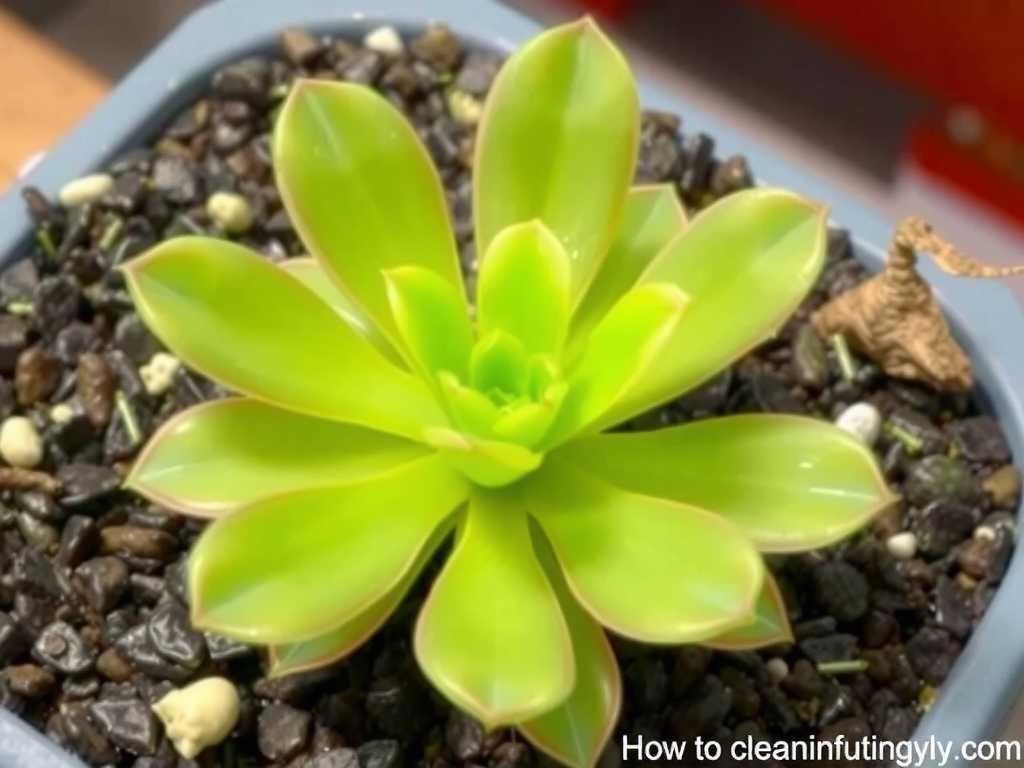
Before we dive into the "how," let's talk about the "why." A Pinguicula's leaf is its stomach and its lung. The mucilage (sticky dew) isn't just glue; it contains digestive enzymes. When the tips are blocked by debris, you're essentially covering their digestive pores. According to research cited by the International Carnivorous Plant Society (ICPS), a layer of dust or mineral scale can significantly reduce photosynthetic efficiency and prey capture rates. My own experience confirmed this. My Pinguicula moranensis had sections where the dew was matted down. It stopped producing new, sticky leaves and seemed lethargic. This wasn't just about aesthetics; it was a health issue. The Royal Horticultural Society (RHS) advises that for carnivorous plants, "maintaining the functionality of the trapping mechanism is key to their vigor." Simply put, clean leaves are healthy leaves.
My Step-by-Step Guide to Safely Cleaning Butterwort Leaves
This isn't a one-size-fits-all power wash. It's a meticulous, gentle procedure. I performed this on three of my butterworts: a Pinguicula gigantea, a P. esseriana, and the struggling P. moranensis.
Gathering the Right Tools First, I assembled my toolkit: distilled water (this is crucial—tap water leaves spots), a small, ultra-soft artist's brush (sable hair is ideal), a magnifying glass or loupe, a pipette or dropper, and a good light source. I cleared a clean workspace. Having everything at hand prevents you from rushing or using inappropriate substitutes.
The Initial Assessment and Dry Brushing Under the magnifier, I carefully examined each leaf. For larger, dry debris like dead fungus gnats or dust bunnies, I used the dry brush. I held the leaf gently from underneath with my fingers and, starting from the base, very lightly flicked the brush outward toward the tip. The goal is to dislodge, not scrub. I learned the hard way that pressing too hard can permanently damage the glandular heads. On one leaf of my esseriana, I was too aggressive and left a small, non-dewy patch. The fix? I left it alone. The plant eventually grew past it, but it was a lesson in patience and gentleness.
The Distilled Water Rinse Technique For stubborn, sticky clumps or light mineral film, dry brushing isn't enough. Here, I used the pipette. I loaded it with distilled water and, holding the plant pot at an angle over the sink, let a single, small drop roll from the pipette onto the base of the affected leaf. I allowed gravity to pull the droplet down the leaf toward the tip. Often, this gentle flow was enough to carry the debris away. For more persistent spots, I let the droplet sit on the spot for a few seconds to soften the gunk before guiding it off. I never sprayed or poured water directly onto the rosette, as this can force debris into the crown and cause rot.
Post-Cleaning Care and Placement After cleaning, I placed the plants in bright, indirect light with good air circulation. I avoided feeding them for the first 3-4 days to let them regenerate their mucilage naturally. I also made sure their soil (a mix of peat and perlite) was moist but not waterlogged. The key is to reduce stress after the procedure.
The Two-Week Transformation: What I Observed
I documented the changes every other day. The results were not instantaneous, but they were profound.
- Days 1-3: The plants looked a bit "naked" without their cluttered debris. The leaves were clean but not yet dewy. I resisted the urge to do anything more.
- Days 4-7: This was the most exciting phase. Tiny, glistening droplets began to reappear on the cleaned leaf tips, especially on the new growth. My Pinguicula moranensis, which had been stagnant, pushed out two new leaves with perfect, sparkling dew. The difference in light reflection was noticeable—they simply looked healthier and more vibrant.
- Days 8-14: By the end of the second week, the dew production was in full swing. The leaves were not only clean but also more functional. I observed small insects becoming trapped on the newly cleaned leaves, a sure sign of restored health. The plants appeared more robust overall. The Pinguicula gigantea's leaves had a plumper, happier look. This aligned perfectly with the expertise from the Carnivorous Plant Hub, which states that "optimal gland function is directly linked to overall plant turgor and growth rate."
Common Pitfalls and How to Avoid Them
My journey wasn't flawless. Here are the mistakes I made so you can skip them:
- Using Tap Water: My first attempt involved misting with filtered tap water. It left ugly white mineral spots that were harder to remove than the original dirt. Solution: Use only distilled, reverse osmosis, or rainwater.
- Overhandling the Leaves: Curiosity got the better of me. I touched the dew to feel its stickiness, which stripped it from that spot. Solution: Look, don't touch. The oils on our skin can damage the glands.
- Cleaning Too Frequently: I got overzealous and wanted to clean every speck. This constant disturbance stressed the plant. Solution: Adopt a "less is more" approach. Clean only when a significant layer of debris has built up, perhaps every 4-8 weeks, depending on your environment.
- Ignoring Airflow: I placed my freshly cleaned plant in a stagnant corner. Humidity spiked and I saw the first signs of mold on a dead leaf. Solution: Ensure constant, gentle air movement with a small fan to prevent fungal issues after cleaning.
Addressing Your Butterwort Care Concerns
How often should I clean my Pinguicula's leaves? There's no strict calendar. I recommend a thorough inspection every few weeks. Clean only when you see a consistent film or clumps of dead prey obstructing the leaf tips. For most home growers in average conditions, a major cleaning every 6 weeks is sufficient. Frequent, minor dry brushing of loose dust can be done more often.
Can I use a Q-tip or cotton swab to clean the leaves? I strongly advise against it. Cotton fibers are prone to snagging on the tiny glandular stalks and can leave behind lint that creates more blockages. The fine, smooth bristles of a quality artist's brush are far superior and less invasive for delicate butterwort leaves.
What if the center (crown) of my Pinguicula gets dirty or wet? This is a risk zone for rot. Avoid directing water or debris into the crown. If it gets soiled, use a pipette to carefully draw water out, or employ a dry piece of paper towel twisted to a fine point to wick moisture away gently. Prevention—by watering from below or at the soil edge—is the best strategy.
Keeping your Pinguicula's leaf tips clean is a simple yet transformative aspect of their care. It goes beyond making them photogenic; it directly unlocks their natural predatory potential and supports vigorous growth. By using the right tools—distilled water and a soft brush—and applying a patient, gentle technique, you can solve the problem of clogged leaves without causing harm. My two-week experiment proved that with a little focused care, your butterworts can rebound, producing that iconic, glistening dew that makes them such captivating companions. The process connects you more deeply to the plant's biology, turning routine maintenance into a rewarding observation of nature's intricate design.





