 bluename
 How to Care for Pinguicula in Dry Seasons: A Grower’s Survival Guide
If you’re like me, the arrival of a dry season brings a wave of anxiety for my beloved Pinguicula collection. These “butterworts” are often celebrated for their dewy, carnivorous leaves, but their care sheet rarely covers what happens when humidity plummets and the air turns arid. I’ve watched helplessly as leaves shriveled, growth stalled, and that characteristic sticky glue seemed to vanish overnight. The common advice of “keep them moist” suddenly feels vague and insufficient. After several seasons of trial, error, and close observation, I’ve developed a reliable system to not just help my Pinguicula survive dry periods, but actually thrive through them. This guide is born from my hands-on experience, including the mistakes I made and the solutions I found over a dedicated two-week adjustment period.
Understanding the Dry Season Challenge for Butterworts
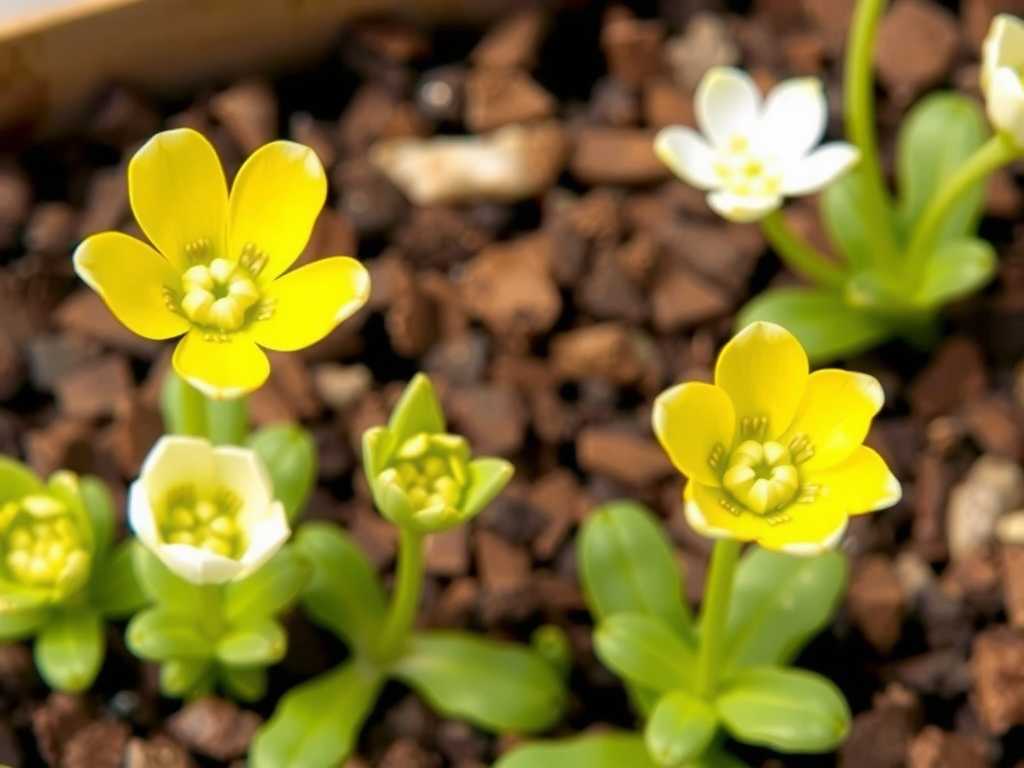
Pinguicula are fascinating because they straddle two worlds. While they are carnivorous, their root systems are not built for true drought. Many species, especially the Mexican and temperate varieties, experience seasonal changes in the wild, but our indoor dry seasons—often caused by heating or air conditioning—are more extreme and constant. The primary threat isn’t just low water in the soil; it’s the lack of moisture in the air, which accelerates transpiration. The plant loses water faster than its roots can absorb it, leading to stress. The Royal Horticultural Society (RHS) notes that maintaining high atmospheric humidity is crucial for most carnivorous plants to preserve their delicate, insect-trapping mechanisms. During dry spells, this becomes the central puzzle to solve.
My Two-Week Dry Season Care Protocol
I decided to implement a new routine at the start of a predicted dry spell and monitor my plants closely for two weeks. Here’s the exact step-by-step process I followed.
Reevaluating the Watering Foundation
The first instinct might be to simply water more, but this is a dangerous trap. Soggy soil in low humidity can lead to root rot, a silent killer. My solution was a shift in both technique and medium. I use a mix of roughly 50% perlite, 30% silica sand, and 20% peat moss. This blend retains just enough moisture but drains exceptionally fast, preventing waterlogging. Instead of top-watering, I switched to the tray method. I keep a shallow tray filled with about 0.5 inches of distilled or rainwater, allowing the pot to wick up moisture from the bottom. I let the tray dry out completely for one day before refilling. This creates a cycle of wet-to-damp that mimics beneficial moisture fluctuations without drought stress.
Creating a Microclimate of Humidity
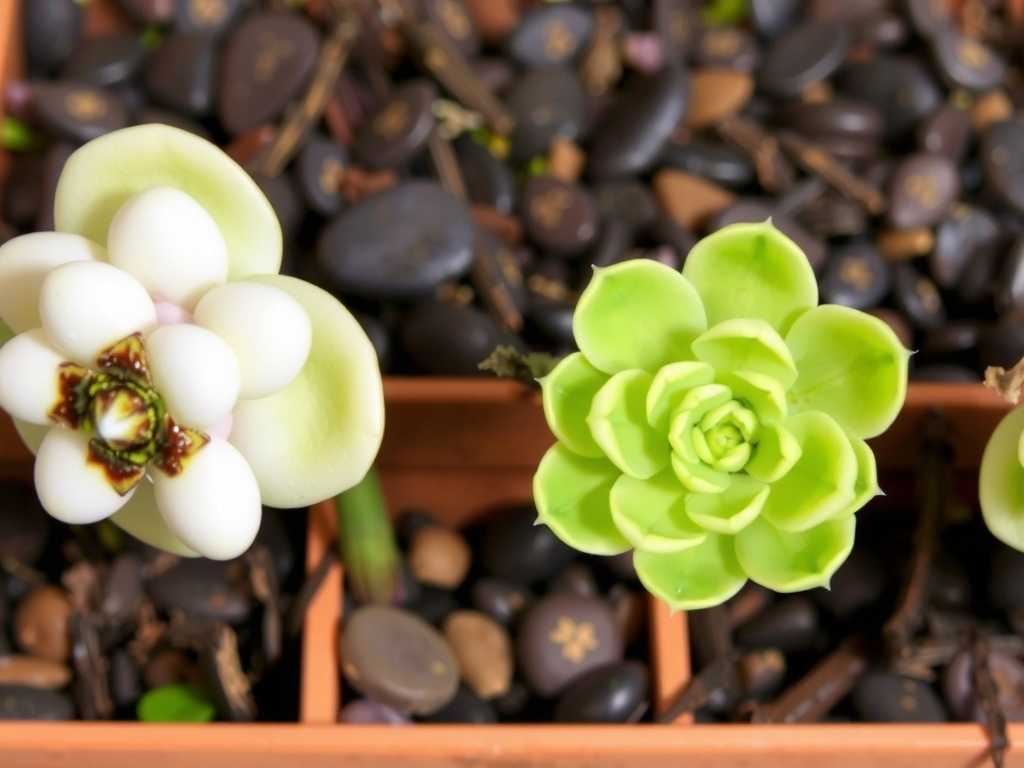
This was the most critical adjustment. Grouping plants together helps, but for dry seasons, I needed a more aggressive approach. I placed my Pinguicula pots on a large, wide humidity tray. This isn’t just a small saucer; I use a broad drip tray filled with a layer of pebbles. I keep water in the tray so it sits just below the top of the pebbles. The pots sit on the pebbles, not in the water. As the water evaporates, it envelops the plants in a localized cloud of higher humidity. According to the American Horticultural Society’s (AHA) plant care guidelines, such pebble trays can effectively increase immediate humidity by 10-15%, which is often the margin needed for well-being.
The Lighting Balance Act
Strong light is essential for Pinguicula to form their succulent leaves and produce mucilage. However, in dry air, intense light amplifies water loss. I moved my plants about 6-12 inches further away from my primary grow lights. The goal was to maintain bright, indirect light levels rather than direct, intense beams. For a south-facing window, a sheer curtain became indispensable. This slight reduction in light intensity significantly reduced the environmental stress without sacrificing their energy needs.
Observation and Adjustment: The Two-Week Log
Here’s what I observed day-by-day:
- Days 1-3: The plants looked unchanged, which I took as a good sign—no immediate shock.
- Days 4-7: I noticed the existing leaves looked slightly plumper. The dew on the leaves, which had been sparse, began to reappear, particularly in the mornings. New growth points at the center seemed active.
- Days 8-10: A clear sign of success! Two of my Pinguicula moranensis started producing new, small leaves. The mucilage on these new leaves was visibly sticky and copious.
- Days 11-14: Steady growth continued. The older, outer leaves on one plant began to naturally senesce (a normal process), but the core of the plant was vibrant and actively growing. There were no signs of rot or fungal issues.
The Pitfalls I Encountered and How I Fixed Them
My journey wasn’t flawless. In an earlier attempt, I made a crucial error: I misted my plants. I thought spraying them with water would boost humidity. It was a disaster. Water pooled in the crown of the rosettes, and in the still, dry air, it didn’t evaporate quickly enough. Within days, I saw the onset of crown rot—a soft, brown mush at the plant’s center. I had to perform emergency surgery, carefully removing all rotted tissue with sterile tools and applying a sprinkle of cinnamon (a natural fungicide). The plant survived but was set back months. I learned that increasing air humidity around the plant is fundamentally different from wetting the plant itself. The pebble tray method addresses the air without risking water sitting on the foliage.
Another mistake was using tap water in the humidity tray. As the water evaporated, it left behind mineral deposits on the pebbles and even the pot edges. These salts can eventually wick into the soil and harm the Pinguicula’s sensitive roots. I now use only distilled or rainwater for both the watering tray and the humidity tray, a practice strongly supported by expert carnivorous plant communities to prevent mineral burn.
Long-Term Health and Dormancy Considerations
For some Pinguicula, a dry season isn’t just a challenge—it’s a natural trigger. Many Mexican species, like Pinguicula gypsicola, naturally enter a succulent, non-carnivorous phase during dry periods in their habitat. Under my care protocol, I observed that while the plants stayed healthy, some did begin to produce slightly thicker, less sticky leaves—a mild adaptation to the drier microclimate even with my interventions. This is a normal and healthy response. The key is to reduce watering slightly further during this phase, keeping the soil just barely damp, while maintaining the higher ambient humidity. This respects their natural cycle without pushing them into true drought.
Frequently Asked Questions
Can I use a humidifier instead of pebble trays? Absolutely. A small room humidifier is a highly effective solution, especially for larger collections. I point the mist away from direct contact with the leaves to prevent waterlogging. It offers more consistent control, but pebble trays are a low-cost, zero-energy alternative that works perfectly for a dedicated plant shelf.
My Pinguicula’s leaves are shriveling from the tips even with this routine. What’s wrong? Tip shriveling is often a sign of root distress. First, check that your soil mix hasn’t become compacted or water-repellent. If the soil drains too quickly and the roots are actually dry, you may need to water from the top once to re-saturate the medium before resuming the tray method. Also, ensure the plant isn’t in a direct draft from a vent, as this strips humidity instantly.
Should I stop feeding my Pinguicula during dry seasons? Their ability to catch insects may be reduced if dew production is lower, but if they have sticky leaves, they are still functional. I avoid manually feeding during periods of environmental stress. The plant’s energy is focused on acclimating. Once the plant shows stable new growth under the new conditions (usually after the 2-week period), you can resume occasional feeding if no insects are present.
Caring for Pinguicula through dry seasons is about proactive environmental management, not just reactive watering. By focusing on creating a stable, humid microclimate, adjusting light intensity, and using a safe watering technique, you can guide your plants through these challenging periods. The transformation from stressed, dewdrop-less rosettes to glistening, growing plants over a two-week period is incredibly rewarding. Remember, the goal is to replicate the gentle embrace of a moist morning, not a torrential downpour. With these adjustments, your butterworts will not only endure the dry times but will continue to be the captivating, carnivorous gems of your plant collection.





