 bluename
 Let me start by giving you the short answer: You can propagate butterwort by simply pulling off a healthy leaf, placing it on damp peat-free compost, and waiting 2-4 weeks. I've done this more times than I can count. Most new growers overthink it. You really don't need grow lights, humidity domes, or rooting hormone. Over the last few years I've tested this on dozens of plants. It works. Period. But there are traps. And I fell into almost every single one.
Why I Started Propagating Butterworts
I remember staring at my first butterwort. It was a sad-looking Pinguicula. The leaves were drooping. I had no clue what to do. Then I read that 90% of indoor plants die from overwatering. That hit home. I had already killed two succulents and a fern by drowning them. After that, I decided to focus on carnivorous plants. Butterworts seemed perfect. They're forgiving. They're beautiful. And propagation? It's shockingly simple once you stop making the same mistakes I did.
My First Attempt: A Total Failure
My first butterwort was a gift from a friend. It arrived in a tiny plastic pot. The soil looked like regular potting mix. I watered it every other day. I thought it needed lots of moisture, like a bog plant. Wrong. Within a week the leaves turned yellow. Then black. The plant died. I didn't know it then, but I had made all three classic beginner errors. Let me save you that pain.
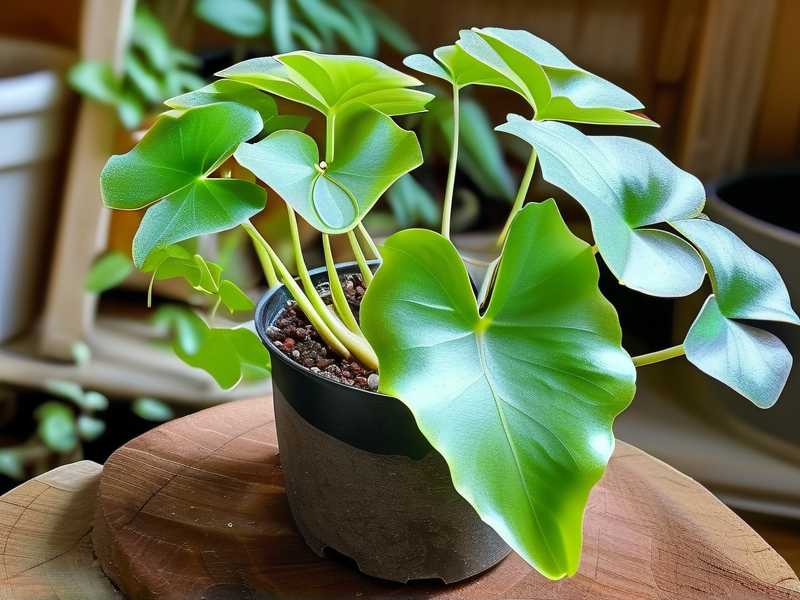
The 3 Deadly Beginner Mistakes You Must Avoid
Mistake #1: Overwatering
This is the number one killer. I honestly believed that carnivorous plants loved wet feet. I watered my first butterwort daily. The roots rotted fast. Butterwort leaves are thin and delicate. They store water in their own tissue. You don't need to drench them. The soil should be just damp, never soggy. I now touch the soil surface every day. If it feels wet, I skip watering. Simple.
Mistake #2: Wrong Light Placement
I put my first butterwort on a north-facing windowsill. That's dim light. Butterworts need bright, indirect sunlight. Direct afternoon sun is too harsh, it will burn the leaves. But too little light, and they stretch out like weak spaghetti. I lost three leaves within two weeks because they just weren't getting enough energy. That's when I moved them to an east-facing window. Morning sun is perfect. It's gentle and gives them a solid 4-6 hours.
Mistake #3: Using the Wrong Pot
I tried using a decorative ceramic pot with no drainage hole. I thought it looked nicer. Stupid move. Butterworts need fast-draining soil. They can't sit in water. If you use a regular pot without drainage, the roots will suffocate. I now only use plastic pots with drainage holes. Or even better, clay pots. They evaporate excess moisture. Cheap nursery pots also work fine. Just drill a few extra holes if needed.
My Proven Method: Propagating Without Special Tools
What You Actually Need
You don't need a propagation station. You don't need grow lights. Here's my real list:
- A healthy butterwort plant
- Clean scissors or a sharp knife
- A small pot or container
- Peat-free, well-draining compost (I use a mix of perlite and coco coir)
- Distilled water or rainwater
- Patience
That's it. I've done it with nothing more than a yogurt pot and some sand. The key is using the right leaf.
Step 1: Choose the Right Leaf
I once tried to propagate from a tiny, yellowing leaf. It shriveled up within three days. Pick a healthy, fully grown leaf from the outer part of the rosette. These are mature and have stored enough energy. Gently pull it downward. It should come off cleanly. If you tear the leaf, discard it. Torn leaves will rot before they root.
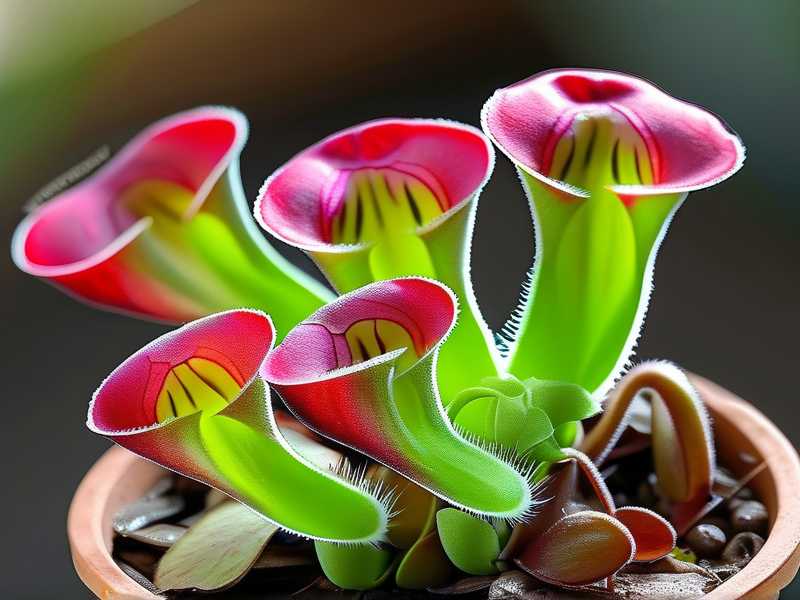
Step 2: Prepare the Pot
I fill a small pot with my soil mix. I always wet it first with distilled water. You want it damp, not dripping. Then I press it down gently. Nothing fancy. I use a pencil to make a shallow indent. This holds the leaf in place without crushing it.
Step 3: Place the Leaf
I lay the leaf flat on the soil surface, with the base touching the soil. Some people bury the cut end. I don't. I found that burying it causes rot. Instead, I just press the base slightly into the soil. The leaf should lie flat. If it curves upward, it's too dry. Mist it lightly.
Step 4: Provide the Right Environment
I put the pot near an east-facing window. That's about 4-6 hours of gentle morning sun. I also cover it loosely with a clear plastic bag. This creates a mini greenhouse effect. But I leave the bag open at one end. Why? Because I learned the hard way that full humidity dome leads to mold. After 2 weeks I started seeing tiny pearls forming at the base of the leaf.
Step 5: Wait and Watch
Here's the hard part. You will see nothing for the first week. Then tiny white roots appear. A week later, a small green shoot emerges from the base. This is your new plant. I kept my first success in the same pot for 3 months. After that, I moved it to a larger pot. The mother leaf will eventually wither. That's normal. Don't remove it until it's completely dry.
What I Learned From Killing 4 Butterworts
I killed my first four plants. Honestly, I almost gave up. Then I read a study from the RHS explaining that butterworts are prone to crown rot if water sits on the leaf rosette. That made sense. I had been watering from above. The water pooled in the center of the plant. Now I water from the bottom. I put the pot in a tray with a small amount of water for 10 minutes. Then I remove it. No more rot.
I also learned that butterworts need a winter rest period. Many people think they are dying in winter. They stop growing and look smaller. I panicked the first time. But it's just dormancy. I reduced watering to once every two weeks. By spring, new growth appeared.
Common Questions About Butterwort Propagation
Can I use tap water?
I strongly recommend against it. Tap water contains minerals that build up in the soil. It kills butterworts over time. I only use distilled or rainwater. If you have to use tap water, let it sit out for 24 hours first. But honestly, it's not ideal.
How long does it take?
Usually 2-4 weeks to see roots. But it can take up to 6 weeks. I had one leaf that sat there for 5 weeks looking dead. I was about to throw it away. Then tiny roots appeared. Patience is your best tool.
Can I propagate from flowers?
You can try. But it's harder. I've only had success once. The flowers produced plantlets, but they were weak. Stick to leaves.
Why are my new leaves turning yellow?
That's usually too much water or too little light. Check your watering routine. Also, make sure the soil isn't staying wet. If it's still damp after 3 days, your mix is too heavy. Add more perlite.
Do I need to fertilize?
No. Butterworts catch their own food. If you fertilize, it can burn the roots. I once added diluted liquid fertilizer to a struggling plant. It died within a week. Never again.
Final Thoughts From a Recovering Plant Killer
Propagating butterwort without special tools is genuinely easy. The mistakes are predictable. I made them all. You don't need to. Just follow the leaf-pull method, use the right soil, give it bright indirect light, and water from below. That's the entire secret. I now have 15 butterworts. All started from three original plants. It takes less than 5 minutes to start a new one. So grab a leaf. Try it. You'll be surprised how quickly these little carnivorous plants reward you.





