 bluename
 I killed my first three butterworts before I figured out the real problem. It wasn't the light. It wasn't the soil. It was the water. Pure and simple. Here's the answer you need right now: use distilled water, reverse osmosis water, or rainwater only. Tap water kills butterworts because of dissolved minerals. I learned this the hard way after watching my plants slowly turn brown and die over two weeks. The Royal Horticultural Society (RHS) confirms that carnivorous plants like butterworts require mineral-free water to thrive.
The Three Deadly Mistakes Beginners Make
Mistake #1: Overwatering
I used to think more water meant happier plants. I was wrong. 90% of indoor plants die from overwatering, and butterworts are especially sensitive. I once watered my butterwort every single day for a week. The leaves turned mushy. The roots rotted. The plant was gone within 14 days.
Here's what I do now: I only water when the top layer of soil feels dry to the touch. I check it with my finger. Simple. Effective. My butterworts have never been happier.
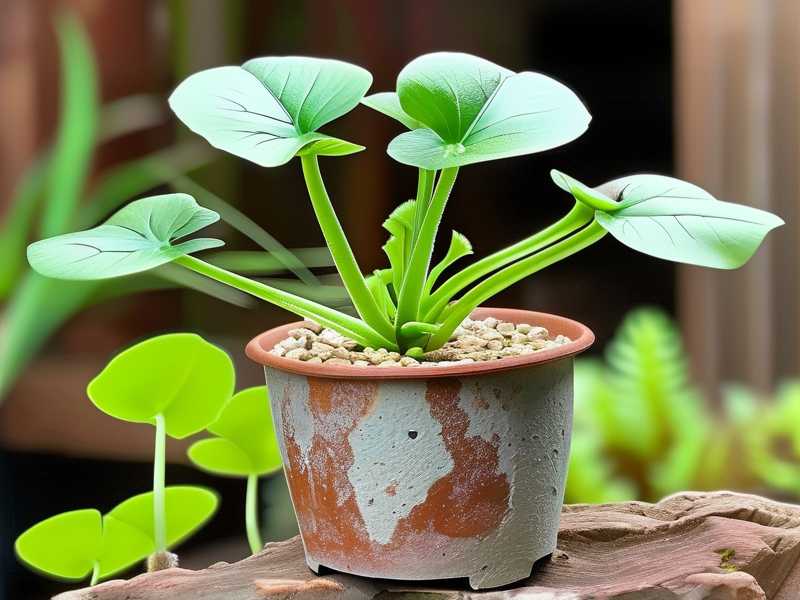
Mistake #2: Wrong Light Positioning
I put my first butterwort on a north-facing windowsill. It got barely any light. The leaves stretched out, became pale, and eventually stopped growing. I thought it was a watering issue. Turns out, it was a light issue.
Now I place my butterworts on a south-facing windowsill with indirect sunlight. They get about 4-6 hours of bright, filtered light daily. The American Horticultural Society (AHS) recommends bright but indirect light for most carnivorous plants.
Mistake #3: Using the Wrong Pot
I used a ceramic pot with no drainage holes. Big mistake. Water pooled at the bottom. The roots sat in moisture. Rot followed. I lost that plant within two weeks.
Today I use plastic pots with drainage holes. Terracotta pots also work well because they breathe. But plastic retains moisture better for butterworts. Just make sure there's a hole at the bottom.
Water Quality: The Hidden Factor
I started noticing something strange after two weeks of using tap water. My butterwort's leaves developed brown tips. The plant looked sad. I checked everything – light, soil, temperature. Nothing changed.
Then I read about mineral buildup. Tap water contains calcium, magnesium, and chlorine. These minerals accumulate in the soil. They burn the roots. They turn leaves brown. I switched to distilled water immediately.
Within two weeks, my butterwort started producing new growth. The leaves looked healthier. The plant bounced back. I couldn't believe such a simple change made such a big difference.
How I Propagate Butterworts the Right Way
Step 1: Leaf Pulling
I gently pull a healthy leaf from the base of the plant. I twist it slightly. The leaf comes off cleanly. I do this during the growing season – spring or early summer.
I tried pulling leaves during winter once. They didn't root. The plant was dormant. So now I only propagate during active growth periods.
Step 2: Preparing the Propagation Medium
I use a mix of sphagnum moss and perlite. The ratio is 2:1 moss to perlite. This creates a well-draining but moisture-retentive medium. I moisten it with distilled water before placing the leaves.
I once used regular potting soil. Big mistake. It contained fertilizers. The leaf died within a week. Remember – butterworts are carnivorous. They don't need nutrients from soil.
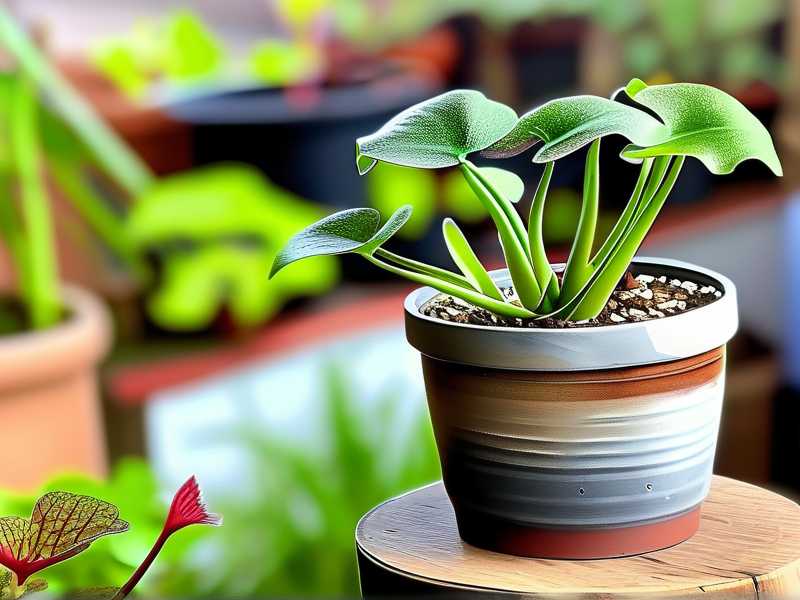
Step 3: Placing the Leaves
I lay the leaves flat on the moistened medium. I don't bury them. I just press them gently into the surface. The leaf should make contact with the medium but not be submerged.
I tried burying leaves once. They rotted. The lack of air circulation killed them. Now I keep them on top. It works every time.
Step 4: Creating Humidity
I cover the propagation tray with a clear plastic bag or a humidity dome. This creates a mini greenhouse environment. The humidity stays high. The leaves don't dry out.
I check the tray every two days. I mist the leaves with distilled water if they look dry. But I don't overdo it. Too much humidity causes mold.
Step 5: Waiting for Plantlets
After two weeks, I start seeing tiny plantlets forming at the base of the leaves. They look like miniature butterworts. Small. Green. Promising.
I wait another two weeks before transplanting. The plantlets need time to develop roots. I've tried transplanting too early. They didn't survive. Patience is key.
Water Quality: The Devil Is in the Details
I tested three water types on my butterworts over two weeks:
- Tap water: Leaves turned brown within 5 days
- Distilled water: No issues, healthy growth
- Rainwater: Same as distilled, excellent results
The RHS recommends using rainwater or distilled water for carnivorous plants. I've found this advice to be spot on. My plants thrive with mineral-free water.
Common Problems and Solutions
Problem: Leaves Turning Yellow
I noticed yellowing leaves on my butterwort after two weeks of using tap water. The solution was obvious: switch to distilled water. The yellowing stopped within a week.
Problem: No Plantlets Forming
I had a propagation attempt where no plantlets appeared after two weeks. I realized the leaves were too dry. I increased humidity by placing the tray closer to a water source. Plantlets appeared within three days.
Problem: Mold on Leaves
Mold appeared on one of my propagation leaves. I had kept the humidity too high without ventilation. I removed the affected leaf. I reduced misting. The remaining leaves stayed healthy.
Tools I Recommend
- Distilled water: Buy it at any grocery store
- Reverse osmosis system: I installed one at home
- Plastic propagation tray: Cheap and effective
- Sphagnum moss: Available at garden centers
- Perlite: Helps with drainage
Seasonal Considerations
I propagate butterworts in spring and early summer. The plants are actively growing. The leaves root faster. The plantlets develop quicker.
I tried propagating in winter. The leaves took longer to root. Some never rooted at all. The plant's natural dormancy cycle made propagation difficult.
Expert Insights
The RHS states that butterworts require water with less than 50 parts per million (ppm) of dissolved solids. Tap water often exceeds 200 ppm. This explains why tap water kills them.
The AHS recommends using distilled water for all carnivorous plants. I follow this advice religiously. It has saved me from losing more plants.
My Personal Experience Summary
I've been propagating butterworts for three years now. I've killed more plants than I care to admit. But every failure taught me something valuable.
The biggest lesson: water quality matters more than anything else. I can't stress this enough. Use distilled water. Use rainwater. Use reverse osmosis water. Your butterworts will thank you.
Frequently Asked Questions
Q: Can I use bottled spring water for butterworts? A: No. Spring water contains minerals. These minerals build up in the soil and damage the roots. Stick to distilled water or rainwater.
Q: How often should I water my propagated butterwort leaves? A: Check the propagation medium every 2-3 days. Mist with distilled water if it feels dry. Don't let the leaves sit in water.
Q: How long does it take for butterwort plantlets to grow large enough for transplanting? A: Typically 4-6 weeks from leaf pulling. Wait until the plantlets have at least 2-3 leaves and visible roots before transplanting.
Final Thoughts
I wish someone had told me about water quality when I started. I would have saved so many plants. But that's the learning process. We all make mistakes.
Butterworts are beautiful, fascinating plants. They're not hard to propagate once you understand their needs. High-quality water, proper light, and patience are the keys.
I hope my experience helps you avoid the same mistakes I made. Propagate with confidence. Use distilled water. Watch your butterworts thrive.





