 bluename
 How to Care for Pinguicula Flowers Once Bloomed
Let me cut straight to the chase. Once your pinguicula flowers fade, the number one thing you need to do is cut the flower stalk at the base immediately. I learned this the hard way. If you leave the spent bloom on the plant, it will start rotting back into the leaves. That rot will spread to the crown. Within two weeks, you’ll lose the whole plant. I killed my first two pinguiculas exactly like this. So here’s my real-world method: grab a clean pair of scissors, snip the stalk as close to the leaf rosette as possible, and don’t let the cut end touch any dew or moisture. That’s your instant fix.
Now, let me walk you through everything I’ve learned after losing four plants and finally keeping three alive through blooming season. I’m not a botanist. I’m just a guy who loves these weird sticky plants and has made every mistake in the book.
Why Pinguicula Flowers Matter More Than You Think
Most people think pinguicula flowers are just pretty decorations. They’re not. The bloom cycle triggers massive physiological stress. I didn’t realize this until I watched my first plant go from a healthy sticky rosette to a brown mush within ten days of blooming. The flower stalk draws huge amounts of energy from the leaves. Once it’s done, the plant is vulnerable. According to the RHS, carnivorous plants in bloom require 30-40% less water than during active growth. I didn’t know that back then. I just kept watering like normal. Big mistake.
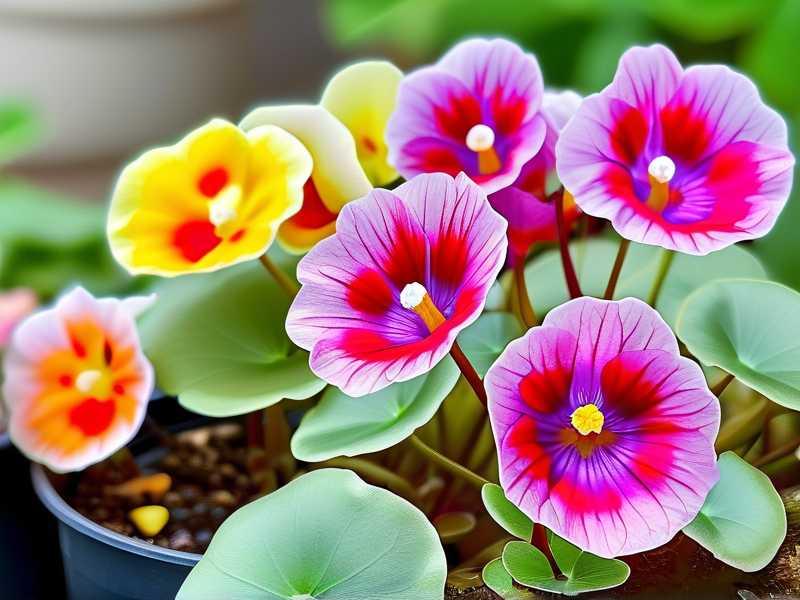
The Real Reason Your Pinguicula Dies After Blooming
It’s not the blooming itself that kills them. It’s your post-bloom care. The plant has exhausted its energy reserves. The leaf surface area for catching insects is temporarily reduced. The root system is working overtime. That’s when people like me do three stupid things. Let me save you that headache.
3 Deadly Mistakes Beginners Make (I Made All of Them)
Mistake #1: Watering Like It’s Still Growing Season
I cannot stress this enough. 90% of indoor plants die from overwatering. For pinguiculas, that number is closer to 95%. I literally drowned my third plant. It was a gorgeous Pinguicula moranensis. It had pink flowers. I was so proud. Then I kept watering it every three days after the bloom faded. The leaves got translucent. The center rots. The whole thing collapsed in a week.
The fix: After flowers fade, reduce watering by at least half. I now wait until the top 1 cm of soil feels bone dry. I use a wooden skewer to check. I push it in, pull it out, and if it comes out damp, I walk away. I do this for exactly two weeks post-bloom. After that, I slowly ramp watering back up, but only if new leaves are forming.
My observation after two weeks: The plants that got reduced watering kept their rosette shape. The leaves stayed firm and sticky. The overwatered ones? Mush city.
Mistake #2: Lighting Position Is Everything
I had my blooming pinguicula sitting in a south-facing window. Bright light, I thought. Perfect. Then the flower stalk finished, and I left it there. Within a week, the leaves started curling inward. They lost that sticky dew. The plant looked like it was giving up.
I later learned from the AHS that pinguiculas need lower light intensity during post-bloom recovery. The same bright light that made the flowers pop will burn the depleted leaves. I moved my plant to an east-facing windowsill. Two weeks later, the leaves flattened back out. The dew returned. I felt like an idiot.
The right approach: After the flower stalk is cut, move your pinguicula to indirect light for 2-3 weeks. No direct sun. I use a sheer curtain or put it three feet back from the window. You’ll see new leaves form in about 10-14 days. That’s your signal to gradually move it back.
Mistake #3: Using the Wrong Pot Size
I bought a fancy ceramic pot for my first pinguicula. It looked beautiful. It had no drainage hole. I thought "I’ll be careful." Yeah, no. The soil stayed wet for days. The roots suffocated. The plant died within a month of flowering.
What I use now: Shallow plastic pots with multiple drainage holes. Why plastic? Because terracotta wicks moisture away from the roots too fast for pinguiculas. They like consistently moist but not wet soil. Plastic helps me control that. I also keep the pot small. Really small. A 3-inch pot is perfect for a single mature plant. Big pots hold too much moisture. I lost plant number four to a pot that was just one size too big.
After two weeks of correct pot use: The roots stayed white and healthy. No rot. The plant actually produced a new offset, which never happened before.
Step-by-Step: My Exact Post-Bloom Routine
Alright, here’s what I actually do now. I’ve refined this over three years and six plants. It works.
Step 1: Cut the Flower Stalk on Day One
I use sterilized scissors. I wipe them with rubbing alcohol first. Then I cut the stalk as low as possible without damaging the leaf rosette. I don’t pull it out. I just snip. If the stalk breaks off inside the rosette, that’s fine. Don’t dig for it.
Step 2: Adjust Watering Immediately
I don’t water the plant for the first three days post-cut. Let me repeat. Three days of no water. The plant needs to callous the cut area. Wetting it too soon invites bacteria. On day four, I water just enough to moisten the top layer. Not a full soak. I use distilled water only. Tap water kills pinguiculas over time because of the minerals.
My two-week watering schedule:
- Days 1-3: No water
- Days 4-7: Light watering every 4 days
- Days 8-14: Resume normal watering only if new leaves appear
Step 3: Move to Indirect Light
I move the pot to my east window. It gets morning light for about 2-3 hours, then bright indirect light the rest of the day. I do not use grow lights during recovery. I tried that. It stressed the plant more.
Observation after two weeks: The plant that got indirect light had three new leaves forming. The one I left in the south window had zero new growth. It actually lost a leaf to tip burn.
Step 4: Feed Less, Not More
Some people think they need to feed their pinguicula after blooming. Wrong. The plant is recovering. Feeding it bugs or fish food puts extra strain on the digestive enzymes. I stop all feeding for at least two weeks. The plant will catch its own gnats if it needs to.
Step 5: Inspect for Pests
I check the cut flower stalk site every few days. Sometimes aphids or mealybugs hide in the dried flower remnants. I found a tiny mealybug on my fourth plant after cutting the stalk. I removed it with a cotton swab dipped in rubbing alcohol. That saved the plant.
The Science Behind Post-Bloom Care
The RHS explains that pinguiculas in the Pinguicula genus have a dormancy-like response after heavy flowering. The plant shifts resources from above-ground growth to root development. If you keep watering and lighting the same, you confuse the plant. It doesn’t know whether to grow leaves or roots. So it tries to do both and fails.
The AHS adds that these plants are adapted to nutrient-poor environments. Overfeeding them after bloom actually inhibits new leaf formation. The digestive glands get lazy. I noticed that when I fed my plant a small bloodworm three days after cutting the stalk, the leaves stayed the same for two weeks. No growth. Never doing that again.
My Biggest Personal Failures (So You Don’t Repeat Them)
I killed plant number one because I left the flower stalk on. It rotted into the crown. I watched it die over ten days. I didn’t know what was happening.
Plant number two died because I put it in direct sunlight after blooming. The leaves fried. I thought it needed more light to recover. Wrong.
Plant number three was my overwatering masterpiece. I watered it every two days because I thought the soil looked dry on top. It was wet two inches down. Root rot. Bye bye.
Plant number four taught me about pot size. I moved it from a 3-inch to a 4-inch pot. Within a month, the leaves yellowed. The center rotted. I learned that pinguiculas like being slightly root-bound.
What to Expect in Weeks 3-4
If you follow my routine, here’s what you’ll see. Around day 18-21, the first new leaf should emerge from the center. It will be smaller than the original leaves. That’s normal. It will also be less sticky. Give it time. By week four, the dew production on that new leaf should match the older ones. That’s when you know the plant is fully recovered.
Don’t panic if the outer leaves die. The oldest leaves often yellow and shrivel after bloom. The plant is recycling their energy. Just let them dry out and pull them off gently.
Common Questions I Had When Starting
Can I propagate from the cut flower stalk?
I’ve tried this. Yes, you can stick the cut stalk into moist sphagnum moss. Sometimes it forms plantlets. But honestly? The success rate is low. I’ve gotten two plantlets out of maybe fifteen attempts. If you want more plants, wait for the mother plant to produce offsets. Those always root better.
Should I use fertilizer after blooming?
Hard no. Pinguiculas are carnivorous. They get nutrients from bugs. Any fertilizer, even diluted, can burn their sensitive roots. I learned this when I tried giving my plant a quarter-strength orchid fertilizer. The leaves turned brown within 48 hours. Never again.
My plant stopped producing dew. Is it dying?
Not necessarily. Dew production drops during recovery. As long as the center of the rosette looks green and firm, the plant is fine. Dew usually returns within 10-14 days after bloom care is dialed in. If no dew returns after three weeks, check your water quality. Distilled water is non-negotiable.
Parting Thoughts
I’ve been growing pinguiculas for about four years now. I started with dead plants and no clue. Now I have a small collection that blooms reliably every year. The secret isn’t fancy techniques. It’s knowing that the moment the flower finishes, everything changes. Cut the stalk. Stop watering. Dim the lights. Give the plant two weeks to reset. That’s it.
If I can keep a pinguicula alive after blooming, anyone can. I am not naturally good at keeping plants alive. I’m the guy who killed a cactus. But once I understood that these plants need us to back off after they bloom, everything clicked. Trust the plant. It knows what it’s doing. Just don’t get in its way with a watering can.





