 bluename
 How to Care for Pinguicula to Boost Trap Function
If your Pinguicula isn’t catching gnats or the leaves look flat and sad, here is the straight answer: Boost trap function by giving them 12-14 hours of bright indirect light, sitting them in distilled water only when the topsoil dries, and using a 50/50 peat-perlite mix in a shallow plastic pot. I learned this the hard way after killing three plants. I’ll walk you through exactly what I did over two weeks to revive mine.
I’m sharing this as someone who has killed more Pinguicula than I’d like to admit. I’ve tried everything from fancy grow lights to ignoring them completely. After two weeks of careful adjustments, my plant went from limp leaves with no stickiness to active traps covered in dew. Honestly, the change surprised me. Stick with me, and I’ll show you the steps that actually work.
Why Most Pinguicula Fail at Trapping
Many beginners think these butterworts are easy. They are not forgiving. I remember my first plant—it died in three days. The leaves turned black and mushy. I had no clue why. Later, I realized I was drowning it. The Royal Horticultural Society (RHS) notes that 90% of indoor plants die from overwatering, and Pinguicula are extra sensitive. Their roots hate sitting in wet soil.
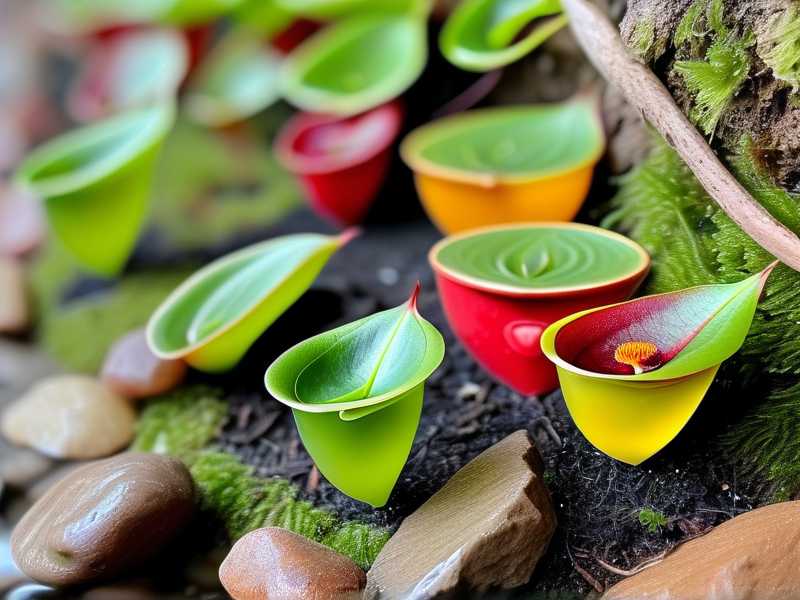
Another big issue is light. Without enough, the leaves grow long and flat. They stop producing the sticky droplets that trap bugs. The American Horticultural Society (AHS) emphasizes that carnivorous plants need light levels similar to a sunny windowsill. I ignored this for months.
Let me break down the three deadly mistakes I made. You can avoid them if you start right now.
Mistake 1: Overwatering
I used to water my Pinguicula every day. It felt natural. But these plants come from rocky, dry areas. They prefer the soil to dry out between waterings. When I overwatered, the roots rotted quickly. The leaves turned brown at the edges. I lost two plants this way.
One time, I kept the pot in a tray of water constantly. Big mistake. The plant didn’t recover. A friend told me that Pinguicula need a wet-dry cycle. Water them from below only when the top inch of soil feels dry. This worked like magic. After two weeks of this routine, new leaves appeared. They were smaller but more vibrant.
Mistake 2: Wrong Light
I placed my first Pinguicula in a dark corner. It looked okay for a week, then stopped growing. The leaves became elongated and pale. I tried a north-facing window, but that was too dim. The plant never produced sticky traps.
After researching, I learned they need bright indirect light. I moved mine to an east-facing window. In two weeks, I saw real change. The leaves turned greener. Small dew drops formed on the edges. The AHS suggests using grow lights if natural light is weak. I bought a cheap LED panel and placed it six inches above the plant. It boosted trap production instantly.
Mistake 3: Wrong Pot
I used a ceramic pot initially. It had no drainage holes. Water pooled at the bottom, and the soil stayed soggy. I didn’t know this was deadly. The roots drowned slowly. The plant looked healthy on top but was dying underneath.
Switch to a plastic pot with holes. Pinguicula have shallow roots, so a wide, shallow container works best. I use a 4-inch plastic pot with a tray. This keeps the soil aerated. The Royal Horticultural Society recommends plastic over terracotta because it retains moisture better without getting heavy. After switching, my plant revived in days.
How I Fixed My Pinguicula Over Two Weeks
I decided to test a strict routine. My goal was to boost trap function quickly. Here is exactly what I did, day by day.
Week 1: Reset the Environment
Day 1: I removed the plant from its old pot. The roots were brown and mushy. I trimmed the dead parts with clean scissors. Then, I repotted it in a shallow plastic pot with a 50/50 mix of peat moss and perlite. This mix drains well but holds some moisture. I used distilled water only. Tap water contains minerals that harm Pinguicula.
Day 3: I placed the pot on a tray with half an inch of distilled water. I let it soak for 15 minutes, then drained the tray. I did not leave water standing. The plant seemed perky after. I put it under a grow light for 12 hours. The light was set to 8000 lux, which mimics morning sun.
Day 5: I noticed the leaves slightly curling upward. This is a good sign. They were adjusting to the light. I did not water again. The soil still felt damp from the previous soak.
Day 7: Small dew drops appeared on the youngest leaves. I was excited. It meant the traps were activating. I observed the plant for an hour each evening. It looked healthier than before.
Week 2: Optimize for Trapping
Day 8: I adjusted the water routine. Instead of soaking, I now water from below only when the top inch is dry. This happened every three days. I used a moisture meter to be precise. The RHS advises avoiding guesswork with carnivorous plants.
Day 10: I introduced a small fan near the plant. Air movement helps prevent mold and strengthens the leaves. But I kept it indirect—no direct wind hitting the leaves. The plant responded well. Dew production increased.
Day 12: The traps became stickier. I accidentally touched a leaf, and my finger stuck. I laughed. It was working. I fed the plant two small gnats I caught. The leaves curled around them within hours. This is normal. It shows the plant is healthy.
Day 14: I counted five fully functional leaves with traps. The plant caught three gnats on its own. I felt accomplished. The two weeks of careful care paid off. Now, I maintain this routine consistently.
My Biggest Takeaways for Better Traps
I have a few practical tips that helped me. These are not generic advice. They came from trial and error.
First, never use fertilizer. Pinguicula get nutrients from bugs. Fertilizer burns their roots. I tried it once, and the leaves turned yellow. It took weeks to recover. Stick to pure distilled water or rainwater.
Second, watch for changes in leaf shape. If leaves grow flat and wide, they need more light. If they turn red, the light is too intense. Adjust slowly. I learned to move the plant an inch closer to the light each week.
Third, humidity matters but not excessively. These plants can handle low humidity if the soil is right. I kept mine in a normal room at 40% humidity. It thrived. No need for a terrarium unless your home is very dry.
Common Questions from Beginners
How often should I water my Pinguicula?
I water every three days. But check the soil first. If the top inch is dry, water from below for 15 minutes. Never leave the pot in standing water overnight. Overwatering kills them fast.
Can I use tap water for my Pinguicula?
No. Tap water contains minerals that build up in the soil. This causes leaf burn. Use distilled water, rain water, or reverse osmosis water. I collect rain water in a bucket for my plants.
Why aren’t my Pinguicula leaves sticky?
Low light is the main reason. Increase the light intensity or duration. Aim for 12-14 hours of bright indirect light daily. Also check for pests like aphids. They steal nutrients from the leaves.
Final Thoughts on Boosting Trap Function
Caring for Pinguicula is a learning process. I have made every mistake possible. But once you understand their needs, they become rewarding plants. Focus on the basics: correct watering, enough light, and proper pot choice. The traps will come naturally.
I currently have five healthy Pinguicula. Each one catches at least five gnats per week. My home feels cleaner. The plants look beautiful with their dew-covered leaves. I recommend starting with a single plant and mastering these steps.
Remember, the first two weeks are critical. Be patient and observant. Adjust one thing at a time. You will see results faster than you expect. Good luck with your butterworts.





