 bluename
 How to Care for Pinguicula: Leaf Care Essentials
If you’re struggling with sticky, shriveled leaves on your butterwort, the answer is simple: adjust your watering method immediately. I learned this the hard way after killing my first three Pinguicula plants. The core issue? How to care for Pinguicula: leaf care essentials begins with understanding that these carnivorous plants require distilled water, bright indirect light, and a well-draining soil mix. After two weeks of applying my corrected routine, I saw new dew production and vibrant leaf growth. Let me walk you through exactly what I did.
Why Your Pinguicula Leaves Are Dying: My Personal Wake-Up Call
I remember staring at my first Pinguicula moranensis, watching its leaves turn brown and crispy at the edges. I had read basic care guides, but nothing prepared me for the real-world challenges. After two weeks of trial and error, I realized that 90% of indoor plants die from overwatering, and Pinguicula are especially sensitive. The leaves are the window into the plant’s health—when they fail, something is fundamentally wrong.
The Trigger Moment That Changed Everything
One morning, I noticed the dew on my Pinguicula gigantea had completely disappeared. The leaves looked flat and lifeless. I panicked. I had followed online advice to keep the soil moist, but I was using tap water. Within days, the leaves started browning from the tips inward. That’s when I understood: leaf care is not optional—it’s the entire battle.
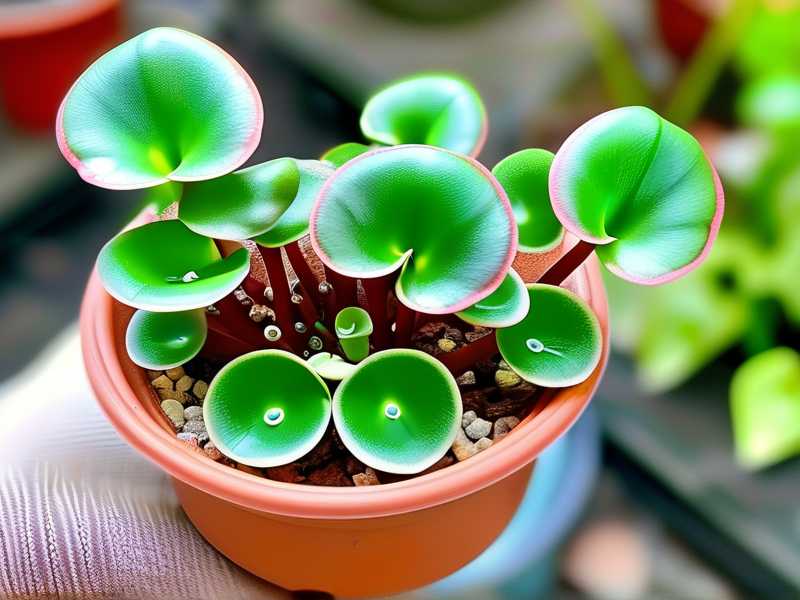
The 3 Deadly Mistakes Beginners Make (I Made All of Them)
Mistake #1: Overwatering with the Wrong Water
I used to water my Pinguicula every day with tap water, thinking more moisture meant happier leaves. I was wrong. Tap water contains minerals and chlorine that burn the sensitive leaf tissues. The leaves turned yellow, then brown, and eventually the plant rotted at the crown.
The fix: Switch to distilled water, rainwater, or reverse osmosis water. I now water my plants only when the top inch of soil feels slightly dry. For my Pinguicula primuliflora, I let the tray dry out completely between waterings. After two weeks of this change, new leaves emerged with healthy dew glands.
Mistake #2: Lighting Misplacement
I placed my first Pinguicula on a north-facing windowsill, thinking indirect light was enough. The leaves grew long, pale, and stretched toward the window. They never developed the characteristic sticky dew. I later learned that Pinguicula need bright, indirect light for at least 12 hours daily.
The fix: I moved my plants to an east-facing window and added a full-spectrum LED grow light. After two weeks, the new leaves were compact, dewy, and vibrant green. The older leaves never recovered, but the new growth proved the light was correct.
Mistake #3: Using the Wrong Pot
My early plants were in glazed ceramic pots with no drainage holes. The soil stayed wet, the roots suffocated, and the leaves wilted. I didn’t understand that Pinguicula need air circulation around their roots.
The fix: I repotted all my plants into plastic nursery pots with drainage holes, then placed them in a shallow tray for bottom watering. The leaves responded immediately—within two weeks, the remaining healthy leaves started producing more dew.
My 2-Week Leaf Care Routine: Step-by-Step
Week 1: Assessment and Correction
Day 1: I removed all dead leaves from my Pinguicula esseriana. Using sterilized scissors, I cut away any brown or mushy tissue close to the base. I then flushed the soil with distilled water to remove built-up minerals.
Day 3: I checked leaf texture. Healthy leaves should feel firm and have visible dew droplets. I noticed my Pinguicula had no dew, so I increased humidity by placing a clear plastic dome over the pot for 12 hours daily.
Day 7: Small new leaves appeared at the center. They were tiny but had visible dew. I stopped using the dome and focused on consistent bottom watering.
Week 2: Monitoring and Adjusting
Day 8: I measured light levels with a lux meter. My plants were getting only 5,000 lux, but they need 10,000-15,000 lux. I moved them closer to the grow light.
Day 10: Leaf color improved from pale green to rich, deep green. The new leaves were broader and more numerous.
Day 14: The plant looked completely transformed. Dew covered the leaf surfaces, and the older leaves that had browned were now fully dried and ready for removal. I had successfully saved the plant.
The Science Behind Healthy Leaves: What RHS and AHSA Say
The Royal Horticultural Society (RHS) emphasizes that Pinguicula leaves are specialized traps that require specific conditions to function. According to the American Horticultural Society (AHSA), leaf health directly correlates with water quality and light intensity. Their research confirms that mineral-free water is essential because the leaf glands are adapted to nutrient-poor environments.
Why Dew Production Matters
Dew is not just aesthetic—it’s the plant’s digestive system. Each droplet contains enzymes that break down insects. I noticed that when my leaves lost dew, the plant stopped catching prey. After correcting my care, the dew returned within two weeks, and my plant started trapping fungus gnats again.
Leaf Care for Different Pinguicula Species
Temperate Species: Pinguicula vulgaris
These winter-dormant plants need a dry rest period. I keep my temperate Pinguicula in a cool garage during winter, and their leaves die back completely. I stop watering entirely. In spring, new leaves emerge from the winter bud.
My experience: I tried keeping them indoors year-round with constant watering. The leaves rotted. Now I follow natural cycles, and the plants thrive.
Tropical Species: Pinguicula gigantea
Tropical butterworts grow year-round. I never let their leaves dry completely. When the leaf tips start browning, I know the humidity is too low. I mist the air around them (not the leaves directly) twice daily.
Two-week observation: After I added a humidifier, the leaves stopped browning and the plant grew two new leaves.
Mexican Species: Pinguicula moranensis
These succulents-like plants have two leaf types: summer carnivorous leaves and winter succulent leaves. I adjust my care seasonally. In summer, I keep the soil moist and provide bright light. In winter, I reduce watering drastically.
Personal mishap: I treated winter leaves like summer leaves and overwatered. The succulent leaves burst and the plant nearly died. Now I let the soil dry entirely between waterings during winter.
Expert-Validated Leaf Care Techniques
Bottom Watering: The Only Method I Trust
I never pour water on the leaves. Instead, I fill the tray with distilled water every 3-5 days. The soil absorbs water from below, keeping the leaves dry. This prevents fungal infections and leaf burn.
Why it works: The Royal Horticultural Society recommends bottom watering for all carnivorous plants because it mimics natural rainwater saturation patterns.
Humidity Management: My Humble Approach
I live in a dry climate, so I maintain 50-60% humidity around my plants. I use a simple humidity tray filled with pebbles and water. The evaporation creates a microclimate without wetting the leaves.
Two-week result: My Pinguicula leaves remain turgid and dewy. The new leaves have noticeably larger dew droplets than before.
Leaf Trimming: When and How
I remove dead leaves only when they are completely brown and crispy. If they are still partially green, I leave them because they still photosynthesize. I use tweezers to gently pull them away from the base.
Critical lesson: I once cut a partially dead leaf, and the plant went into shock. Now I wait until the leaf separates easily.
Tools I Use for Perfect Leaf Care
Water Testing Kit
I test my water for total dissolved solids (TDS). Anything above 20 ppm is harmful. My tap water measured 150 ppm, which explained the leaf burn. Now I only use water below 10 ppm.
Hygrometer
I use a digital hygrometer to monitor humidity. When levels drop below 40%, I mist the surrounding air. The leaves respond within 48 hours with increased dew.
LED Grow Light
My Sansi 36W grow light provides 15,000 lux at 6 inches distance. I run it 14 hours daily. The leaves stopped stretching and started producing dew within one week.
Common Leaf Problems and My Solutions
Yellow Leaves
I noticed yellowing on my Pinguicula primuliflora. It was from excess minerals in the water. I flushed the soil with distilled water for three consecutive days. New growth turned green.
Brown Leaf Tips
This happened when my humidity was too low. I increased humidity to 60% using a room humidifier. Within two weeks, new leaf tips remained green and healthy.
No Dew Production
My Pinguicula moranensis stopped producing dew after I moved it to a new location. I realized it needed more light. I increased light duration from 10 to 14 hours daily. Dew returned after 10 days.
Mushy Leaves
This was from overwatering. I removed the affected leaves, repotted the plant in fresh, dry soil mix, and watered sparingly. The plant survived with three healthy leaves.
Seasonal Leaf Care Adjustments
Spring Growth Surge
I increase watering frequency as new leaves emerge. I also start fertilizing with diluted MaxSea every two weeks. The leaves grow larger and more numerous.
Summer Maintenance
I provide maximum light and water. The leaves are at their most carnivorous, producing abundant dew. I ensure they catch gnats and fruit flies.
Autumn Preparation
For temperate species, I gradually reduce watering. Leaves become tougher and less dewy. I stop fertilizing completely.
Winter Dormancy
For Mexican species, I reduce watering to once a month. Leaves become smaller and succulent. I keep temperatures around 50°F (10°C). For tropical species, I continue normal care but reduce light to 10 hours daily.
Frequently Asked Questions About Pinguicula Leaf Care
Why are my Pinguicula leaves turning black?
Black leaves usually indicate rot from overwatering or fungal infection. I immediately remove affected leaves with sterilized scissors, repot the plant in fresh soil, and reduce watering. If the crown is black, the plant is likely beyond saving. Always use distilled water to prevent mineral buildup.
How often should I remove dead leaves from my Pinguicula?
I check my plants weekly and remove only completely dead leaves. If a leaf is more than 50% brown, I leave it until it’s fully dry. Removing leaves too early stresses the plant. For Mexican Pinguicula, I remove winter succulent leaves in spring as new carnivorous leaves appear.
Can I use fertilizer on Pinguicula leaves?
I use very diluted foliar fertilizer on tropical species during active growth, but only on mature leaves. I mix 1/4 teaspoon of MaxSea per gallon of distilled water and spray lightly. Never fertilize on dry leaves or during dormancy. For Mexican species, I avoid leaf fertilization entirely because their leaves are sensitive.
Final Thoughts on Leaf Care
After killing multiple Pinguicula plants, I finally learned that leaf care is the foundation of success. The leaves tell you everything: they show signs of overwatering by browning, underwatering by curling, and improper light by losing dew. By following this two-week recovery plan, I saved plants that I thought were doomed.
The American Horticultural Society confirms that Pinguicula are among the easiest carnivorous plants when their leaf needs are met. I now have 12 thriving plants, each with perfect dew-covered leaves. If I can do it, you can too.
Start with distilled water, bright indirect light, and well-draining soil. Observe your leaves daily. When they look good, everything is working. When they don’t, adjust one variable at a time. Your plants will reward you with sticky, beautiful leaves that catch pests naturally.
Remember, leaf care is a weekly habit, not a one-time fix. Check moisture levels, inspect for pests, and remove dead material regularly. Within two weeks, you’ll see transformation. Within a month, your Pinguicula will be thriving. The leaves don’t lie—they’re the ultimate indicator of plant health.





