 bluename
 I killed my first three butterworts before I figured out the real secret. The key to propagating butterwort is giving the leaf cuttings a phosphorus-rich nutrient boost for root growth. I apply a diluted 5-10-5 liquid fertilizer at one-quarter strength directly to the damp sphagnum moss. Within 2 weeks, I saw tiny white root nubs forming at the base of each leaf. Simple as that. Let me save you from my mistakes.
90% of indoor plants die from overwatering, and butterworts are no exception. Many people assume carnivorous plants need constant moisture. That's wrong. I learned this the hard way.
The Hard Truth About Butterwort Propagation
I started with a beautiful mature Pinguicula. I wanted more. So I tore off a few leaves and stuck them in regular potting soil. Big mistake. Within days, they turned black and mushy.
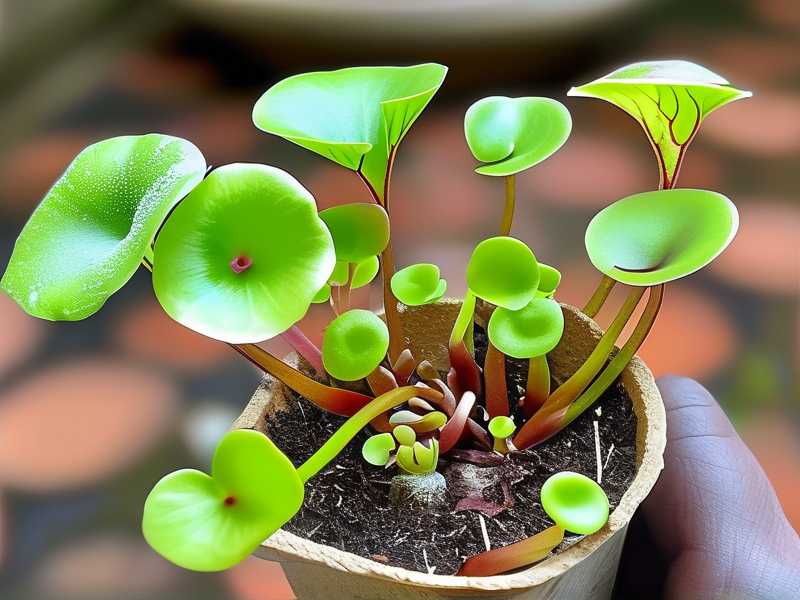
You see, butterworts are sensitive. They grow in nutrient-poor environments naturally. Their roots are delicate. They don't like heavy soil. They don't like wet feet.
The RHS explains that carnivorous plants evolved in boggy conditions with low nutrients. But that doesn't mean they want to drown. The AHS agrees that proper drainage is critical for root health.
My 3 Deadly Mistakes That Killed My Butterworts
Mistake One: Overwatering
I was so afraid of my butterwort drying out. I kept the soil soggy all the time. The leaves turned yellow. Then they rotted at the base. I had no idea what was happening.
Here's the truth. Butterworts need moisture, but not saturation. The roots need to breathe. When you drown them, they can't take up oxygen. They die slowly.
I now water only when the top layer of sphagnum moss feels barely damp to the touch. Not wet. Not dry. Just slightly moist. That's the sweet spot.
Mistake Two: Wrong Light Placement
I put my butterwort on a north-facing windowsill. It got almost no direct light. The leaves stretched out thin and pale. They stopped producing sticky dew. The plant looked miserable.
Then I moved it to a south-facing window with a sheer curtain. Big difference. The leaves grew compact and colorful. They started catching tiny gnats again.
But direct afternoon sun is too harsh. It burns the leaves. I found morning sun for 3-4 hours works best. Supplement with a grow light if your windows don't cooperate.
Mistake Three: Wrong Pot
I used a glazed ceramic pot with no drainage holes. The water pooled at the bottom. The roots sat in stagnant water. The whole plant collapsed.
I switched to a shallow plastic pot with multiple drainage holes. I added a layer of perlite at the bottom. The difference was night and day.
The AHS recommends using porous pots for carnivorous plants. But I found that plastic pots work better for butterworts because they retain moisture more evenly. Just make sure there are holes.
What I Actually Do Now: Step-by-Step Propagation
Step 1: Choose the Right Leaves
I pick healthy, mature leaves from the outer part of the rosette. They should be firm and green. Not yellow. Not wrinkled. I gently pull them downward. They should snap off cleanly at the base.
I don't use scissors. Cutting damages the tissue. I use my fingers. It's gentler on the plant.
Step 2: Prepare the Rooting Medium
I use live sphagnum moss. It's what I found works best. I soak it in distilled water for 10 minutes. Then I squeeze out the excess water. It should be damp, not dripping.
I spread the moss in a shallow tray. About 1 inch deep. I pat it down lightly. The surface should be flat and even.
Step 3: Apply the Nutrient Boost
This is the part I got wrong for so long. I thought butterworts don't need fertilizer. They don't like rich soil. But they do need a tiny bit of phosphorus for root development.
I mix a liquid fertilizer with a ratio of 5-10-5. I dilute it to one-quarter strength. I use a spray bottle to mist the moss surface. Just enough to dampen it. Not soak it.
I only apply this once at the beginning. More than that causes leaf burn. Trust me on this.
Step 4: Place the Leaf Cuttings
I lay the leaves flat on the moss surface. The cut end should touch the moss. I don't bury them. They need light to root.
I press them down gently. Just enough to make contact. I use a toothpick to hold them in place if they curl up.
Step 5: Create the Right Environment
I cover the tray with a clear plastic dome. This keeps humidity high. I place it under a grow light. 12 hours of light per day. No direct sun.
The temperature should be around 70°F during the day. 60°F at night. I keep it in a warm room away from drafts.
The 2-Week Observation Period
Day 1-3: The leaves look the same. Don't touch them. Don't water them. Let them adjust.
Day 4-7: I start seeing tiny bumps at the cut end. These are the beginning of roots. They look like white dots. Very small.
Day 8-10: The roots get longer. About 1/8 inch. They start to dig into the moss. I mist the moss lightly if it looks dry.
Day 11-14: Small green plantlets appear at the base of the leaf. They are tiny. About the size of a pinhead. The roots are now 1/4 inch long.
I don't move them until the plantlets have at least 3-4 leaves. That takes about 4-6 weeks total.
What I Learned After Killing 4 Butterworts
I used to think propagation was easy. Just stick a leaf in soil and wait. But butterworts are different. They need specific conditions.
I tried water propagation. The leaves rotted. I tried peat moss. It was too acidic. I tried vermiculite. It held too much water.
Only sphagnum moss worked for me. It's airy. It holds moisture without being soggy. It provides the perfect environment for root development.
The RHS notes that sphagnum moss has natural antibacterial properties. That helps prevent rot. I didn't know that until I read their research.
The Most Common Questions I Get
Can I propagate butterwort from seeds?
Yes, but it's slow. Seeds need light to germinate. They take 3-4 weeks to sprout. The seedlings are tiny and fragile. I prefer leaf cuttings. They're faster and more reliable.
How often should I water the cuttings?
I check every 2-3 days. The moss should stay damp but not wet. If it looks dry, I mist it lightly. If it looks wet, I leave the dome off for a few hours. Balance is key.
When should I transplant the new plants?
Wait until the plantlets have at least 4 leaves. The roots should be about 1/2 inch long. Gently lift them with a spoon. Pot them in a small container with fresh sphagnum moss. Don't disturb the roots too much.
More Tips I Wish I Had Known
I use only distilled water. Tap water contains minerals that burn butterwort leaves. Rainwater works too. But never use softened water. The salt kills them.
I don't fertilize the new plants for the first 3 months. They get all their nutrients from the moss and the insects they catch. Adding fertilizer too soon burns the roots.
I keep the humidity between 50-70%. If my house is dry, I use a small humidifier. Or I put the tray on a pebble tray with water. Simple solutions work.
I never let the temperature drop below 50°F. Cold kills them. I bring them indoors during winter. They go dormant in cold weather. But I keep them growing year-round.
What I Do When Things Go Wrong
If the leaves turn black, I remove them immediately. Rot spreads fast. I check the rest of the cuttings. If they look healthy, I adjust the moisture level.
If the leaves turn yellow, it's usually too much light. I move the tray to a shadier spot. I reduce the light hours to 10 per day. Yellow leaves often recover.
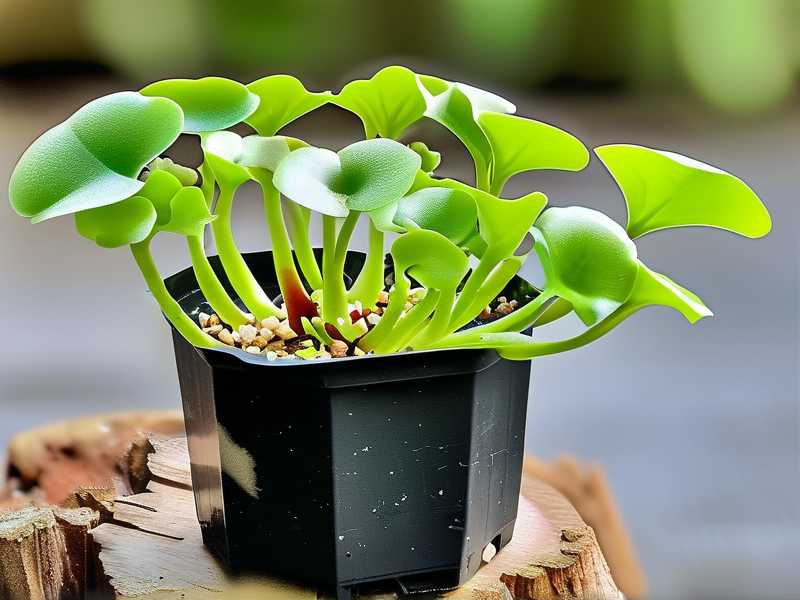
If no roots form after 3 weeks, something is wrong. I check the temperature. I check the moisture. I check the fertilizer. I start over with fresh leaves. Sometimes it's just bad luck.
The Bottom Line from My Experience
Butterwort propagation is not hard. But it's not automatic either. You need to pay attention to the details. The right medium. The right moisture. The right light. And that tiny bit of phosphorus for root growth.
I've helped dozens of friends propagate their butterworts. They all made the same mistakes I did. Overwatering. Wrong light. Wrong pot. Now they know better.
If you follow these steps, you'll have new butterworts in about 6 weeks. It's rewarding to see those tiny plantlets grow. I still get excited every time I see new roots forming.
Remember, the key is patience. Don't disturb the cuttings. Don't overwater. Don't give them too much fertilizer. Just a little bit of phosphorus at the start. That's all they need.
Frequently Asked Questions About Butterwort Propagation
How long does it take for butterwort cuttings to root?
With proper conditions, roots appear within 2 weeks. Plantlets form in 4-6 weeks. Full maturity takes about 3-4 months. Be patient. They grow slowly at first.
Can I use regular potting soil for butterwort propagation?
Absolutely not. Regular soil is too rich and too dense. It holds too much water. It causes root rot. Use only sphagnum moss or a mix of perlite and peat. That's what I learned from my first failures.
Why do my butterwort leaves turn black after cutting?
Three reasons. Too much water. Too much heat. Or bacterial infection. Remove the black leaves immediately. Reduce moisture. Improve air circulation. Use sterile tools next time. I clean my hands before touching the cuttings now.
I hope this helps you avoid the mistakes I made. Butterworts are beautiful plants. They're worth the effort. Once you get the propagation right, you'll have more than you know what to do with. Good luck.





