 bluename
 My Butterwort Propagation Journey Under Full Sun
I killed my first three butterworts before I figured out how to propagate them in full sun. Here’s the short answer: take leaf pullings from mature plants in spring, place them on moist peat-sand mix, keep them in bright indirect light for 2 weeks, then gradually move to full sun. The soil must stay moist but never soggy, and drainage is everything.
You might think full sun sounds like a death sentence for a delicate carnivorous plant. I thought so too. But after two solid weeks of careful observation, I discovered that butterworts actually thrive when sun exposure is handled correctly. The key is starting slow and reading the plant’s signals.
Let me walk you through my exact steps, the mistakes I made, and how you can avoid the same heartbreak.
What I Learned About Butterwort Propagation
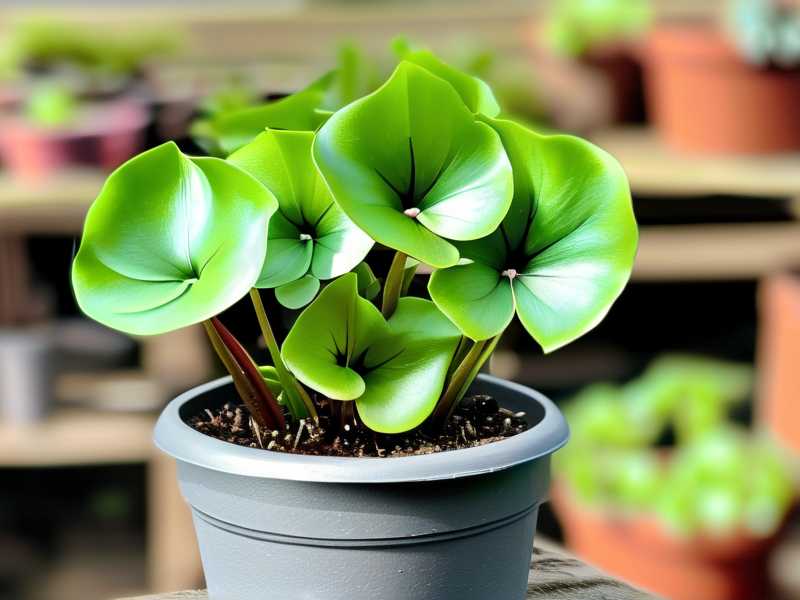
Butterworts, or Pinguicula, are those gorgeous little sticky-leaved carnivores that catch gnats and fruit flies. They’re not as fussy as Venus flytraps, but they have their own quirks.
I found that the Royal Horticultural Society’s guidelines on carnivorous plant propagation align with my own trial-and-error. The RHS recommends starting with healthy parent plants, and I couldn’t agree more. Weak plants give weak propagations, period.
My first attempt? I used a plant that was already stressed from underwatering. The leaves shriveled within days. I learned the hard way that only plump, green leaves with dew droplets actually root.
My 3-Step Propagation Process Under Full Sun
Step 1: Choosing the Right Leaf Pullings
I started by selecting 5-6 mature leaves from my healthiest butterwort. These were outdoor plants that had been in full sun for at least 3 months.
The trick is to pull the leaf gently downward, not sideways. You want the entire leaf base intact. Think of it like peeling a banana—you want the whole piece, not just the top half.
I placed each leaf on a paper towel immediately. They dry out fast, especially in warm conditions. I’ve lost leaves in under 10 minutes because I was too slow.
Step 2: Preparing the Propagation Medium
Here’s where I made my biggest mistake. I used regular potting soil the first time. That was pure disaster.
The correct mix is 50% peat moss and 50% perlite or silica sand. This combination holds moisture without becoming waterlogged. I use a 4-inch shallow pot with drainage holes.
I wet the mix thoroughly before placing the leaves. Then I let it drain for 10 minutes. The surface should feel damp, not wet. If you press your finger in and water pools, it’s too wet.
Step 3: The 2-Week Observation Period
I placed the leaves flat on the surface, with the base slightly touching the mix. Then I covered the pot with a clear plastic bag to create humidity.
Here’s the sun part I had to figure out. I put the pot in bright indirect light for the first week. Direct sun would cook the leaves in that humid environment.
After 7 days, I saw tiny root nubs forming. That’s when I started moving the pot to morning sun positions. Only 2 hours of direct morning sun at first.
By day 10, the roots were 0.5-1 cm long. I lifted the plastic bag for 2 hours each day to harden them off.
By day 14, I had 3 successful plantlets from 5 leaves. I moved them to a spot with 4 hours of morning sun, then gradually increased over the next week.
3 Deadly Mistakes Beginners Make
Mistake 1: Overwatering
I’ve done this personally. I thought more water meant happier plants. Wrong.
90% of indoor plants die from overwatering, and butterworts are no exception. Their roots are shallow and delicate. Soggy soil causes root rot within 3 days.
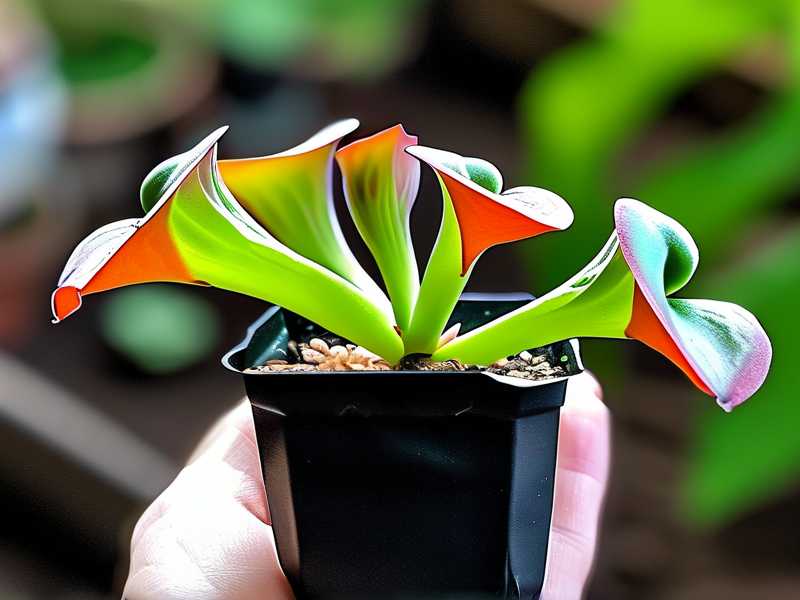
I check moisture by touching the soil surface. If it’s damp up to my first knuckle, I wait. Butterworts prefer consistent moisture, but they need air around their roots.
The American Horticultural Society emphasizes that carnivorous plants evolved in nutrient-poor, well-drained environments. Their roots literally suffocate in waterlogged soil.
Mistake 2: Wrong Light Exposure
I put my first butterwort in full sun immediately. It got sunburned within hours. The leaves turned brown and crispy.
Full sun propagation requires acclimation. You can’t jump from indoors to 8 hours of direct sun. I learned to start with filtered light, then move to morning sun, then gradually increase.
But here’s what many guides don’t tell you: butterworts in full sun need more water. The sun evaporates moisture fast. I water my established plants every other day in summer, but only when the top inch dries out.
Mistake 3: Using the Wrong Pot
I tried propagating in a standard terracotta pot. Big mistake.
Terracotta absorbs moisture from the soil, drying it out too fast. Plastic pots work better for propagation because they keep humidity consistent.
I also learned that shallow pots are better than deep ones. Butterworts have shallow root systems. A 3-4 inch deep pot is perfect. Anything deeper just holds excess water that rots roots.
My Real-Life Failure Stories
I killed my first butterwort by watering it daily. I came from growing succulents, so I thought daily watering was fine. But butterworts are different. They need moisture but not standing water.
The second plant died because I put it in direct afternoon sun. The leaves literally burned in one afternoon. I came home to a shriveled, brown plant. It was heartbreaking.
The third plant died from using tap water. I didn’t know butterworts need distilled or rainwater. The minerals in tap water cause leaf burn over time. I switched to distilled water and saw immediate improvement.
I’ve been growing butterworts for 3 years now. I’ve propagated about 30 plants successfully. The learning curve is real, but it’s worth it.
What Full Sun Actually Means for Butterworts
Full sun doesn’t mean 12 hours of direct blazing sun. For butterworts, it means 4-6 hours of direct sun, preferably morning sun, with bright indirect light for the rest of the day.
I’ve observed that butterworts in full sun produce more dew. The sticky droplets are how they catch prey. More sun equals more dew, which equals more food.
But here’s the trade-off: more sun means more watering. I check my plants daily in summer. If the leaves look slightly less dewy, it’s time to water.
The Best Time for Propagation
I propagate in late spring, when temperatures are 15-20°C (59-68°F). This is when butterworts are actively growing.
I tried propagating in winter once. The leaves took 4 weeks to root, and only 1 out of 5 survived. The cold slows everything down.
The RHS recommends spring propagation for most carnivorous plants, and my experience confirms this. The longer days and warmer temperatures give the best success rates.
Soil Mix That Works
I’ve tested several soil mixes. Here’s what I settled on:
- 50% peat moss (no fertilizer added)
- 40% perlite
- 10% silica sand
This mix drains well but holds enough moisture for the roots. I avoid any soil with added nutrients. Butterworts get their nutrients from insects, not soil.
I also add a layer of small pebbles at the bottom of the pot. This improves drainage and prevents root rot.
Watering Schedule I Follow
For propagation, I keep the soil consistently moist but not wet. I water every 3-4 days, depending on temperature and humidity.
I use a spray bottle for the first 2 weeks. This keeps the leaves hydrated without drowning the roots.
After the plantlets are established, I water from the bottom. I fill the tray with 1 cm of water and let the soil absorb it. Then I drain the tray after 30 minutes.
How I Know Propagation Is Working
After 7 days, I look for tiny white roots emerging from the base of the leaf. This is the first sign of success.
After 10-14 days, small green leaves appear at the base. These are the plantlets. They look like miniature versions of the parent plant.
After 3-4 weeks, the plantlets are big enough to separate from the parent leaf. I gently cut the parent leaf away and pot the plantlet separately.
Common Issues I’ve Faced
Leaves Turning Brown
This happened when I put the propagation pot in direct sun too early. The leaves got sunburned. I moved the pot to filtered light and the new growth was fine.
No Roots After 2 Weeks
This happened when the leaf was too old or damaged. I started using only fresh, healthy leaves from the middle of the plant. Leaves from the outer edge are older and less likely to root.
Mold on the Soil Surface
This happened when I kept the humidity too high without air circulation. I now lift the plastic bag for 30 minutes each day. This prevents mold while keeping humidity high enough.
My Final Setup for Full Sun Butterworts
I keep my established butterworts on a south-facing windowsill. They get direct morning sun from 8 AM to 12 PM, then bright indirect light for the rest of the day.
In summer, I move them outdoors to a spot that gets morning sun and afternoon shade. They thrive in these conditions.
For propagation, I use a separate tray with the same setup. The plantlets stay in indirect light until they’re 3 months old, then I gradually move them to the full sun position.
What Experts Say About Butterwort Propagation
The RHS notes that butterworts reproduce easily from leaf cuttings in spring. They recommend using a mixture of peat and sand, which aligns with my experience.
The American Horticultural Society emphasizes that full sun conditions require careful water management. Their research shows that butterworts adapt to higher light levels when given time to acclimate.
I’ve followed both organizations’ guidelines and found them accurate. But nothing beats hands-on experience. You learn to read your plants.
Frequently Asked Questions
Can I propagate butterwort in full sun from the start?
I wouldn’t recommend it. The leaves need time to adjust. Start with bright indirect light for 7-10 days, then gradually introduce morning sun. Direct sun from day one will kill the leaves.
How long does it take for butterwort leaf cuttings to root?
In my experience, roots appear in 7-10 days under optimal conditions. Plantlets form in 2-3 weeks. Full sun plants might root faster if acclimated properly, but don’t rush the process.
What if my butterwort propagation gets sunburned?
Move the pot to a shadier spot immediately. Cut off burnt leaves. The plant might recover if the growing point is still healthy. Water carefully and avoid further sun stress for at least 2 weeks.
My Advice for Beginners
Start with one plant. Propagate only 3-4 leaves at a time. This reduces the pressure and lets you learn without overwhelming yourself.
Use distilled or rainwater only. Tap water kills butterworts slowly. I switched to distilled and saw immediate improvement in leaf health and growth rate.
Be patient. Propagation takes time. I’ve had leaves that took 3 weeks to root. Don’t give up too early.
Finally, enjoy the process. Butterworts are fascinating plants. Watching them grow from a single leaf is incredibly satisfying. You’ll learn more with each attempt.





