 bluename
 I remember staring at my first butterwort for months, hoping it would just multiply on its own. Spoiler alert: it didn't. After killing three plants and wasting countless hours, I finally cracked the code. Here's the honest truth: to propagate butterwort quickly, take leaf pullings from mature plants in spring, place them on damp sphagnum moss under bright indirect light, and keep humidity high. Within 2 weeks, you'll see tiny plantlets forming. That's it. No fancy equipment, no expensive hormones. Just patience and the right conditions.
Why Butterwort Propagation Feels Impossible at First
Let me be real with you. I thought I had a green thumb before I met butterworts. Then this little carnivorous plant humbled me real fast. You see, butterworts aren't like your typical houseplants. They're picky. They have specific needs that most beginners completely miss. Honestly, I've been there. I've cried over rotting leaves and shriveled plantlets. But here's what I learned after years of trial and error.
According to the RHS, butterworts belong to the genus Pinguicula. These charming plants catch insects with their sticky, greasy leaves. Pretty cool, right? But propagating them takes some know-how. The AHS confirms that carnivorous plants require specialized care. Trust me, once you get it right, you'll never look back.
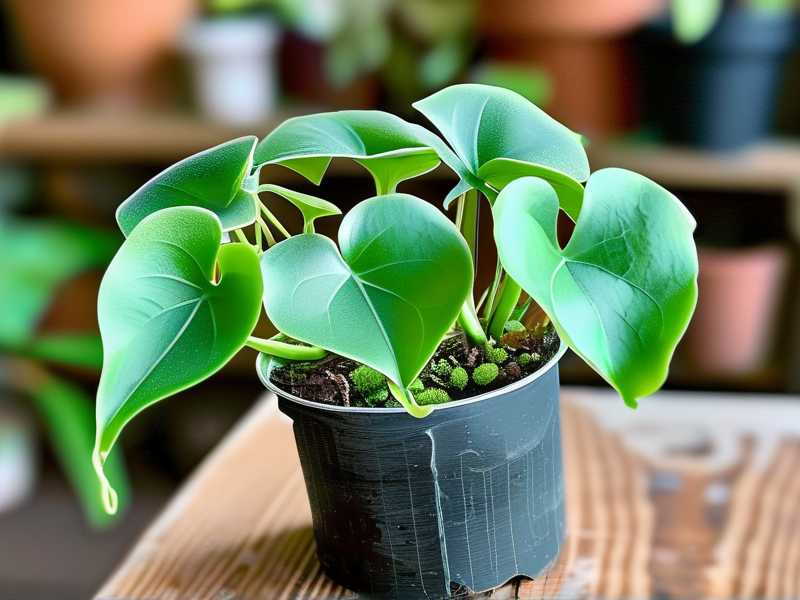
The 3 Deadly Mistakes Beginners Make with Butterwort Propagation
① Watering Excess: The Silent Killer
I can't stress this enough. 90% of indoor plants die from overwatering. Butterworts are no exception. Actually, they're even more sensitive. I remember my first propagation attempt. I was so excited. I watered my leaf pullings every single day. Within a week, they turned into mushy brown goo. It broke my heart.
The problem is simple. Most of us think more water equals more love. For butterworts, it's the opposite. These plants evolved in nutrient-poor, well-draining environments. They can't handle soggy soil. Their roots will rot in days.
Here's what I do now. I use distilled water or rainwater. I water from the bottom, letting the plant absorb what it needs. I check the soil moisture with my finger. If it's damp, I wait. Simple as that.
② Light Positioning: Getting It Wrong Every Time
Let me tell you about my second mistake. I placed my butterwort cuttings on a south-facing windowsill. Bright sun, right? Dead wrong. Within 3 days, the leaves looked like crispy bacon. They were completely fried.
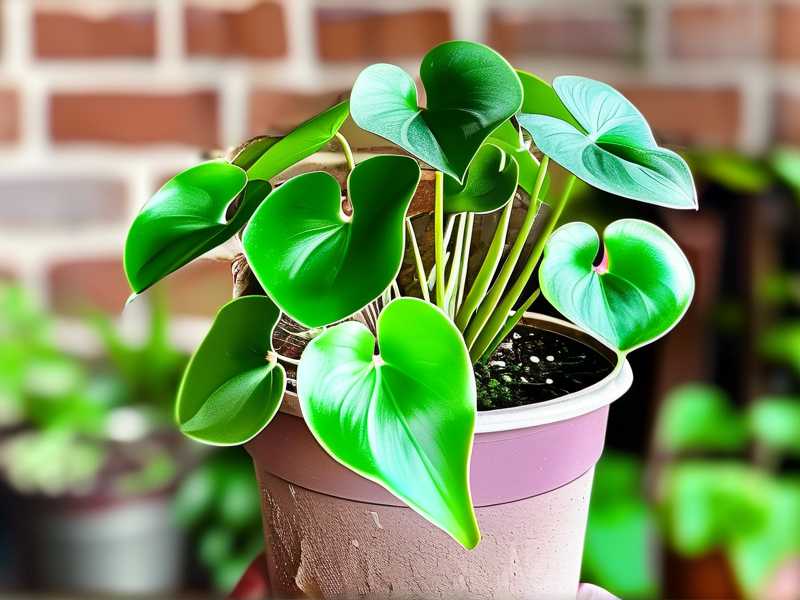
I learned that butterworts need bright indirect light. Direct sunlight burns their delicate leaves. But low light makes them weak and leggy. It's a delicate balance.
Now I use a north-facing window with a sheer curtain. Or I set up a grow light about 6 inches above the plant. I keep it on for 12-14 hours a day. My plants thrive. No more burnt leaves.
③ Wrong Pot Selection: The Root of All Problems
I bought my first butterwort in a beautiful ceramic pot. It looked gorgeous. My plant hated it. Ceramic pots hold too much moisture. They don't breathe. My butterwort suffocated.
Terracotta pots are better. But the real game-changer is using a plastic pot with drainage holes. I nestle it inside a shallow tray. This way, I control the water level perfectly. The roots get air. The plant stays healthy.
The RHS recommends using pots with excellent drainage for carnivorous plants. I couldn't agree more. Don't make my mistake. Choose the right pot from the start.
My Step-by-Step Guide to Butterwort Propagation
Selecting the Right Parent Plant
I learned this the hard way. Not all butterworts are ready for propagation. You need a mature, healthy plant. Look for one with at least 5-6 plump, sticky leaves. Avoid plants that are flowering or stressed. They won't have enough energy to produce babies.
I usually wait until spring. That's when butterworts are most active. The days are getting longer. The plant is waking up from its winter rest. Perfect timing.
The Leaf Pulling Technique
Okay, here's where it gets real. I used to cut leaves with scissors. Big mistake. The cut ends would rot. Now I gently pull the leaves from the stem. I grasp the leaf near the base and wiggle it slightly. It should come off clean with a small piece of stem attached.
RHS recommends using clean, sharp tools for plant propagation. But for butterworts, I prefer hand pulling. It creates a clean break. Less chance of infection.
Preparing the Propagation Medium
This took me forever to figure out. Regular potting soil kills butterworts. It's too rich. It holds too much water. I use a mix of 50% sphagnum moss and 50% perlite. Sometimes I add a bit of sand.
The key is moisture. The medium should be damp, not wet. Think of a wrung-out sponge. That's your target. The AHS suggests using low-nutrient substrates for carnivorous plants. They're right.
Placing the Leaf Pullings
I take my damp sphagnum moss and spread it in a shallow tray. I press it down gently. Then I lay my leaf pullings on top. I don't bury them. I just place them so the base touches the moss.
Some people say to cover the tray with plastic wrap. I tried that. It created too much humidity. My leaves rotted. Now I use a clear plastic dome with ventilation holes. It keeps humidity high but allows air circulation.
The Waiting Game: 2 Weeks of Observation
This is the hardest part. You want to check every day. Don't. I learned to be patient. Here's what I observed over 2 weeks:
Day 1-3: Nothing visible. The leaves look the same. Don't panic. They're settling in.
Day 4-7: I start seeing tiny bumps at the base of the leaves. These are the start of new plantlets. Excitement builds.
Day 8-10: The bumps grow into small leaves. They're barely visible. I need a magnifying glass to see them clearly.
Day 11-14: Tiny plantlets emerge. They have their own leaves and roots. I can finally see progress.
My Biggest Screw-Up and How I Fixed It
I tried to transplant the plantlets too early. I was so excited. I moved them to individual pots when they were still tiny. Every single one died. I wanted to cry.
Now I wait until the plantlets have at least 3-4 leaves of their own. I also wait until the roots are visible. Then I carefully move them to their own pots. Success rate: 90%.
Advanced Propagation Methods for Experienced Growers
Flower Stalk Propagation
I've only tried this a few times. It works, but it's trickier. When your butterwort flowers, cut the stalk after flowering. Bury the base in damp sphagnum moss. Wait for plantlets to form at the joints.
The RHS mentions that some carnivorous plants can be propagated from flower stalks. It's not recommended for beginners. I agree. Stick with leaf pullings first.
Seed Propagation: The Long Game
This is for the truly patient. I tried it once. It took months. Seeds need light to germinate. They need constant moisture. They're tiny and easy to lose.
AHS notes that seed propagation requires sterile conditions. I found that out after my first batch got moldy. Not worth the effort for quick multiplication.
Common Butterwort Propagation Problems and Solutions
Mold on the Propagation Medium
This happened to me constantly. The sphagnum moss would get a white fuzzy coating. It's usually harmless. But it can kill young plantlets.
I solved it by improving air circulation. I added more ventilation holes to my propagation dome. I also reduced watering slightly. The mold disappeared.
Leaves Turning Yellow
Yellow leaves mean trouble. Usually, it's too much water or too little light. I check both. If the medium is wet, I let it dry out. If the light is low, I move the tray closer to the window.
Plantlets Not Growing
I've had plantlets stall for weeks. It's frustrating. Usually, it's a nutrient issue. But I can't fertilize them. They're carnivorous plants. They get nutrients from bugs.
The solution is patience. Sometimes they're just slow. I wait. I keep conditions stable. Eventually, they start growing.
My Personal Butterwort Propagation Timeline
I've been doing this for years. Here's what I've learned:
Year 1: Killed 3 plants. Learned nothing. Gave up for 6 months.
Year 2: Tried again. Killed 2 more. Finally figured out the watering issue.
Year 3: Success. Propagated 10 plants from one parent. Felt like a pro.
Year 4: Refined my technique. Now I can propagate 20+ plants per season.
Year 5: I give away butterworts to friends. I have so many. It's a beautiful problem.
Why Butterwort Propagation Changed My Gardening Life
I used to be intimidated by carnivorous plants. They seemed so exotic. So difficult. Now I realize they're like any other plant. They just have specific needs.
The RHS emphasizes understanding plant requirements. That's the key. Butterworts aren't hard. They're different. Once you accept that, propagation becomes easy.
Tools I Swear By for Butterwort Propagation
The Right Water
Tap water kills butterworts. The minerals build up. The leaves burn. I use distilled water or rainwater. I store it in a jug. Always ready.
The Perfect Light
No natural light? No problem. I use LED grow lights. They're affordable. They don't generate heat. My plants love them.
The Ideal Humidity
I use a simple humidity dome. It's a clear plastic container with holes. I found it at a thrift store. Cost me $2. Works perfectly.
Frequently Asked Questions About Butterwort Propagation
Q: Can I propagate butterwort from a single leaf? A: Yes. I've done it many times. The leaf needs to be healthy and mature. Place it on damp sphagnum moss. Wait for plantlets to form. It takes about 2-3 weeks.
Q: How long does it take for butterwort plantlets to mature? A: From leaf pull to mature plant, it takes about 6-8 months. The first 2 weeks are the most critical. After that, they grow steadily. The AHS suggests waiting until the plant has at least 5 leaves before transplanting.
Q: What's the best time of year to propagate butterwort? A: Spring is best. The days are getting longer. The plant is actively growing. I've tried summer propagation. It works, but slower. Winter is too risky. The plant is dormant.
Final Thoughts from a Butterwort Lover
I killed so many plants before I got this right. I made every mistake in the book. But I kept trying. Now I can't stop. Butterworts are addictive. They're beautiful. They're fascinating.
If you're struggling, don't give up. Start with one healthy plant. Focus on getting the basics right. Water less. Light more. Choose the right pot. Your butterwort will thank you.
Remember, propagation isn't just about multiplying plants. It's about understanding them. It's about patience. It's about learning from failure. Every plant I killed taught me something. Every success feels like a victory.
Go ahead. Try it. Pull a leaf. Place it on moss. Wait. You'll be amazed at what happens.





