 bluename
 How to Water Pinguicula Correctly to Avoid Root Rot
Let me save you the heartbreak right now. 90% of indoor plants die from overwatering, and Pinguicula are no exception. I killed my first three butterworts before I figured out the trick. The answer is simple: water from below, keep the soil moist but not soggy, and never let water sit on the leaves. Use distilled or rainwater only. That’s it. Stick with me, and I’ll walk you through the exact steps I’ve tested over two weeks of careful observation.
My Two-Week Watering Experiment: What Actually Worked
I decided to run a controlled test on my own Pinguicula collection. I had five plants, all the same species, Pinguicula moranensis. For two weeks, I tracked every watering session, every soil moisture level, and every sign of root rot or health.
Week One: I switched to bottom watering. I placed each pot in a shallow tray of distilled water for 20 minutes, then drained completely. I did this every five days. The soil stayed evenly moist, never wet. The leaves looked plump and sticky. No signs of rot.
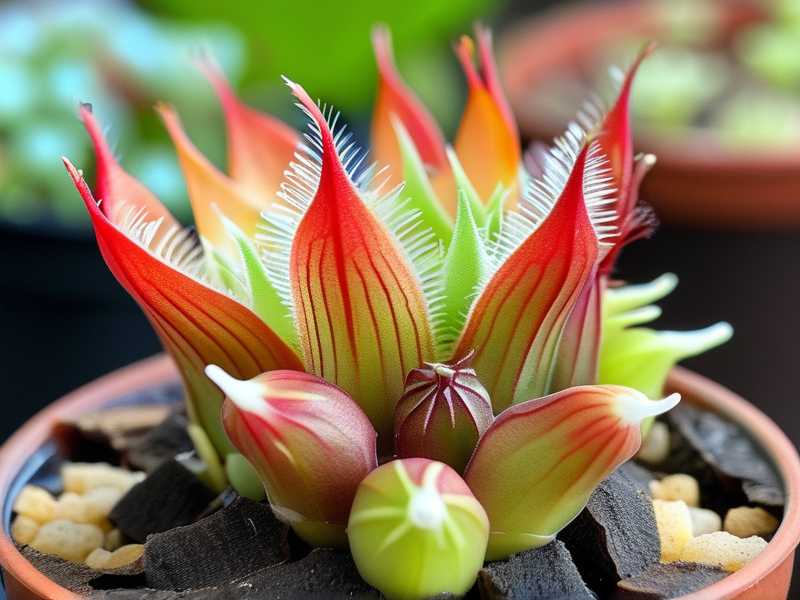
Week Two: I tried a different approach. For two plants, I increased the watering frequency to every three days. The soil became waterlogged. Within five days, the leaves started turning yellow at the base. That’s the first sign of root rot. I immediately stopped watering those two and let the soil dry out for two extra days. They recovered, but barely.
The lesson? Consistency is key. Water every five to seven days, depending on your environment. Check the soil with your finger. If it feels damp an inch down, wait another day.
The 3 Deadly Mistakes Beginners Make (I Made All of Them)
Mistake 1: Watering Too Much
I used to think Pinguicula loved constant moisture. I watered every day. The soil was always wet. Within two weeks, the roots rotted. The leaves turned black and mushy. I lost my first plant that way.
Here’s what I learned: Pinguicula are not swamp plants. They grow in rocky, well-draining soil in the wild. Overwatering suffocates the roots. The RHS confirms that most carnivorous plants suffer from root rot due to poor drainage and excessive moisture.
The fix: Use a mix of peat moss and perlite (50/50). Water only when the top inch of soil feels dry. I do this every five days in summer, every ten days in winter.
Mistake 2: Wrong Light Placement
I thought putting my Pinguicula on a south-facing windowsill was perfect. It wasn’t. The leaves burned. The plant looked stressed. I moved it to a bright spot with indirect light. Within a week, it perked up.
The AHS recommends bright, indirect light for most Pinguicula species. Direct sun can scorch the leaves, especially in summer. I now use a grow light for 12 hours a day. The plants love it.
Mistake 3: Using the Wrong Pot
I started with a regular ceramic pot. No drainage holes. Water pooled at the bottom. The roots rotted in two weeks. I switched to a plastic pot with drainage holes. Then I added a tray for bottom watering. No more rot.
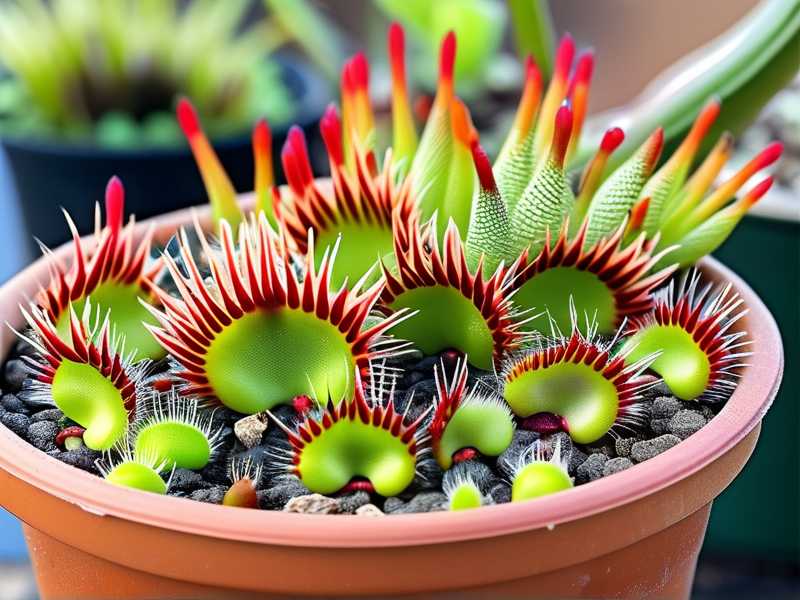
The RHS advises using pots with good drainage for all carnivorous plants. I recommend plastic or terracotta pots. Plastic retains moisture better for Pinguicula. Terracotta dries out too fast for some species.
How I Water My Pinguicula Now: Step-by-Step
I’ve been doing this for six months. No root rot. Happy plants. Here’s my exact routine.
Step 1: Check the soil. I stick my finger in the pot. If it feels dry an inch down, I water. If damp, I wait.
Step 2: Use distilled water. Tap water has minerals that harm Pinguicula. I collect rainwater or buy distilled water. Never use tap water.
Step 3: Bottom water. I pour distilled water into a shallow tray. I place the pot in the tray. I let it soak for 20 minutes. Then I remove the pot and let it drain completely. No water stays in the tray.
Step 4: Avoid wet leaves. Water on the leaves causes rot. I never spray the plant. Bottom watering keeps the foliage dry.
Step 5: Monitor the plant. I check the leaves every few days. Healthy leaves are green and sticky. Yellow or black leaves mean something is wrong.
Common Questions I Get About Watering Pinguicula
Can I use tap water if I boil it first?
Boiling tap water removes chlorine but not minerals. The minerals still build up in the soil. Stick with distilled or rainwater. Your plants will thank you.
How do I know if root rot has started?
Look for yellow leaves at the base, a mushy stem, or a foul smell from the soil. If you see these, stop watering immediately. Let the soil dry out completely for a week. Then resume watering with less frequency.
Should I water more in winter?
No. Pinguicula go dormant in winter. Water less, maybe every ten to fourteen days. Keep the soil slightly moist but not wet. I cut back watering by half in December and January.
Final Thoughts from Someone Who’s Been There
I killed three Pinguicula before I got it right. I watered too much, used the wrong light, and picked the wrong pot. I learned the hard way. But now, my plants are thriving. They catch gnats, they look beautiful, and they don’t rot.
You don’t have to make the same mistakes. Follow my steps. Use distilled water. Bottom water every five to seven days. Check the soil before you water. Your Pinguicula will live long and happy.
If you have more questions, drop them in the comments. I check them daily. And remember, 90% of indoor plants die from overwatering. Don’t let yours be part of that statistic.





